


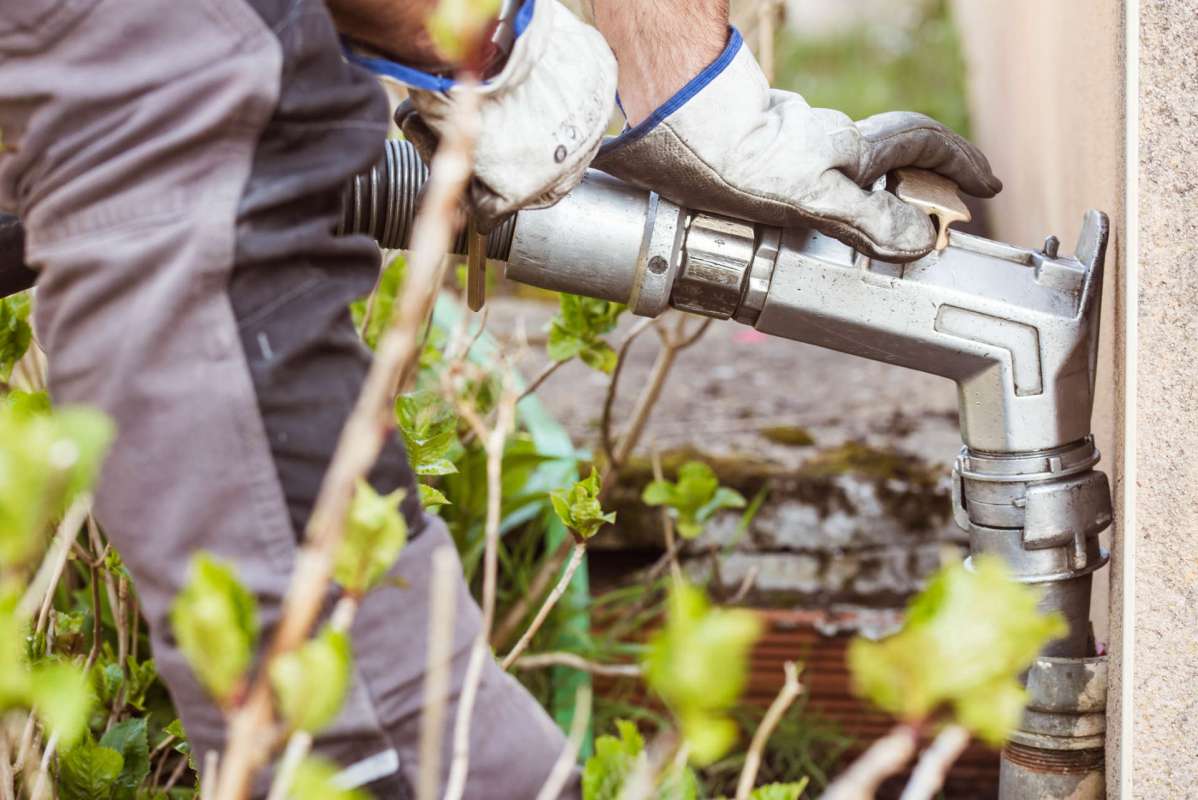
For millions of households in the Northeast, the cost of staying warm could rise sharply during the 2026-27 heating season. Families that rely on heating oil are projected to face some of the steepest increases, with average bills approaching $2,300.
According to CBS News, the National Energy Assistance Directors Association expects heating oil customers to pay more than 30% more from mid-November to mid-March 2027.
Here's what to know
Across all fuel types, NEADA projects that the average cost of heating a home during that four-month stretch will reach about $1,030. That would be an increase of $82, or 8.7%, while households using heating oil could see costs come in near $2,300.
With Brent crude trading at about $106 per barrel, Mark Wolfe, an energy economist and executive director of the National Energy Assistance Directors Association, told CBS News that slower oil flows through the Strait of Hormuz are helping drive prices up. He also said Ukrainian attacks on Russian oil facilities are putting additional pressure on supply.
U.S. Energy Information Administration figures cited by CBS News show that nearly 4.8 million homes in the United States used heating oil in 2024. Roughly 82% of those households were in the Northeast, leaving the region especially exposed to sudden price increases.
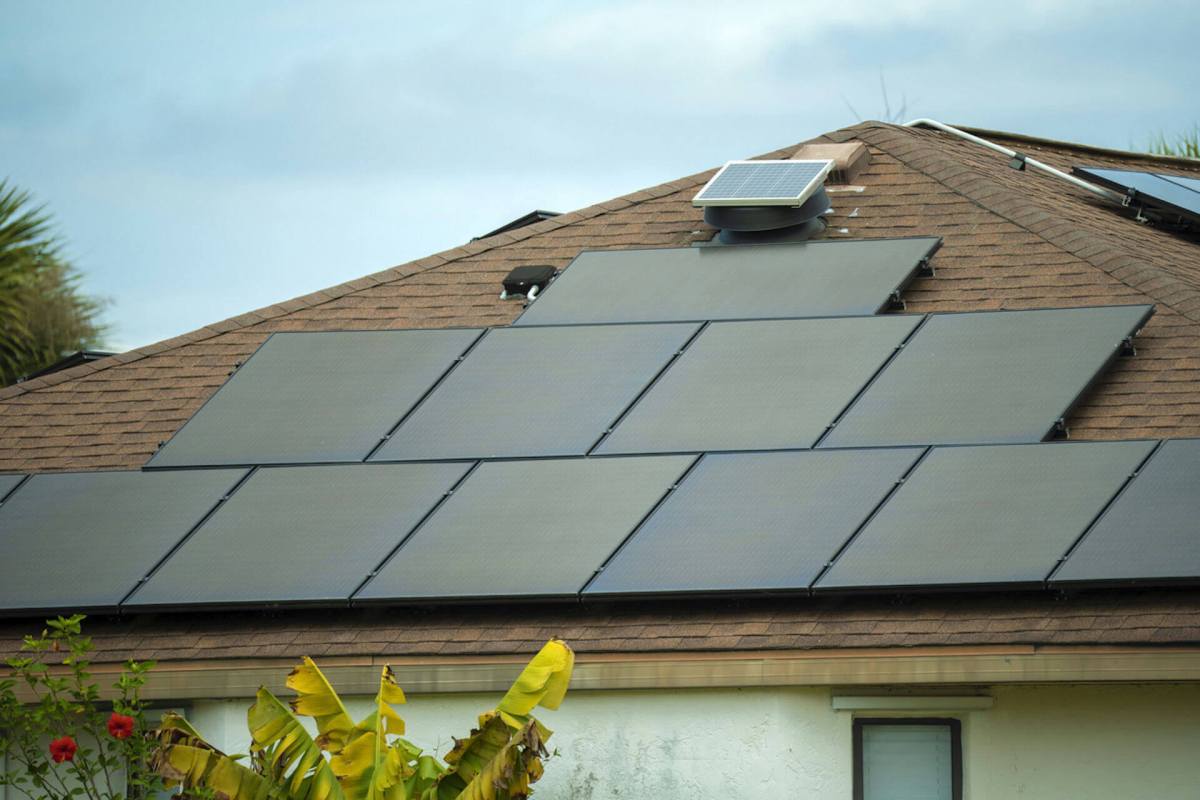
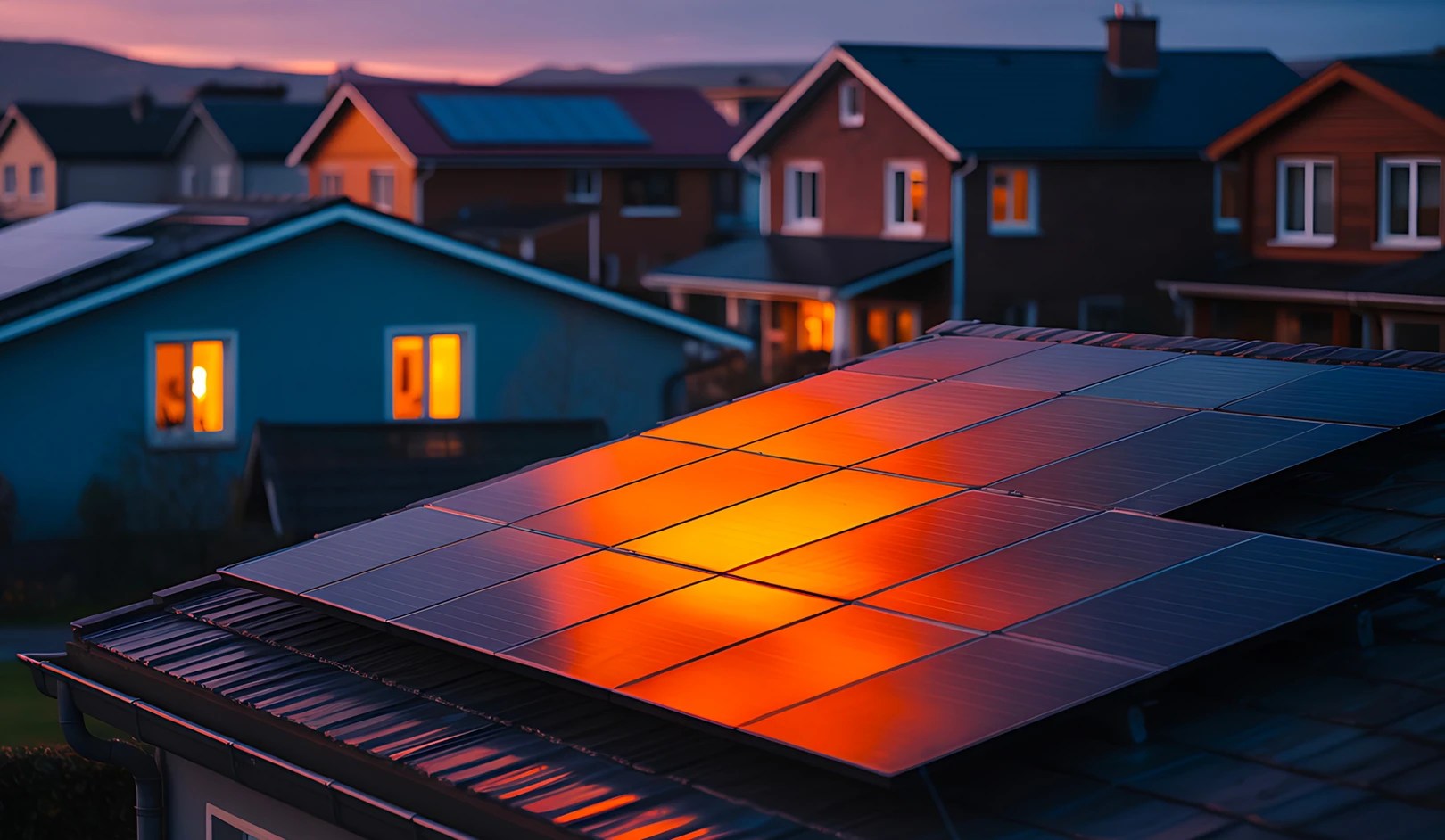
One of the best ways to protect yourself from rising oil costs and save money on home energy is to invest in solar panels. Homeowners who want to explore that option can use EnergySage to get free solar installation estimates and compare quotes.
More background
NEADA said the increase is not just an issue for oil-heated homes. The group reported that the cost of heating with heat pumps and other electric-powered systems has risen 35%, and electricity in the Northeast is often more expensive than it is in many other regions.
The organization said electricity bills are also rising because demand from data centers is growing and because repairing aging power infrastructure is costly.
Save $10,000 on solar panels without even sharing your phone number Want to go solar but not sure who to trust? EnergySage has your back with free and transparent quotes from fully vetted providers that can help you save as much as $10k on installation. To get started, just answer a few questions about your home — no phone number required. Within a day or two, EnergySage will email you the best local options for your needs, and their expert advisers can help you compare quotes and pick a winner. |

What can be done?
Sealing air leaks, improving insulation, and checking for heating assistance or payment plan options can ease some of the immediate strain. Larger upgrades can also help households reduce their exposure to oil price shocks.
EnergySage's free services can be especially useful for homeowners considering rooftop solar. With EnergySage's help, the average person can save up to $10,000 on solar purchases and installations. Comparing multiple quotes can also make it easier to identify better equipment, pricing, and installer options.
Readers can also use EnergySage's solar map, which shows the average cost of a home solar panel system on a state-by-state level and details the solar incentives available in each state. Together, those resources can help people get the best price for rooftop solar panels and access available incentives.
Adding battery storage to a solar setup can protect a home during outages. It can also help save money on energy and make it easier to go off-grid. Homeowners can check out EnergySage for information about home battery storage options, including competitive installation estimates.
More From EnergySage
💡Go deep on the latest news and trends shaping the residential solar landscape


As Wolfe told CBS News, "While the war may be thousands of miles away, families will feel it when the heating oil truck pulls into their driveways."
Where can I learn more?
These articles cover rising electricity bills and the health and financial costs of using climate-warming fuels.
• In Massachusetts, utilities spent $100 million on new gas lines after local fossil fuel bans.
• A global analysis tied oil and gas pollution to asthma and premature deaths.
• Across the country, aging coal plants are costing ratepayers hundreds of millions.

Get TCD's free newsletters for easy tips, smart advice, and a chance to earn $5,000 toward home upgrades. To see more stories like this one, change your Google preferences here.






