


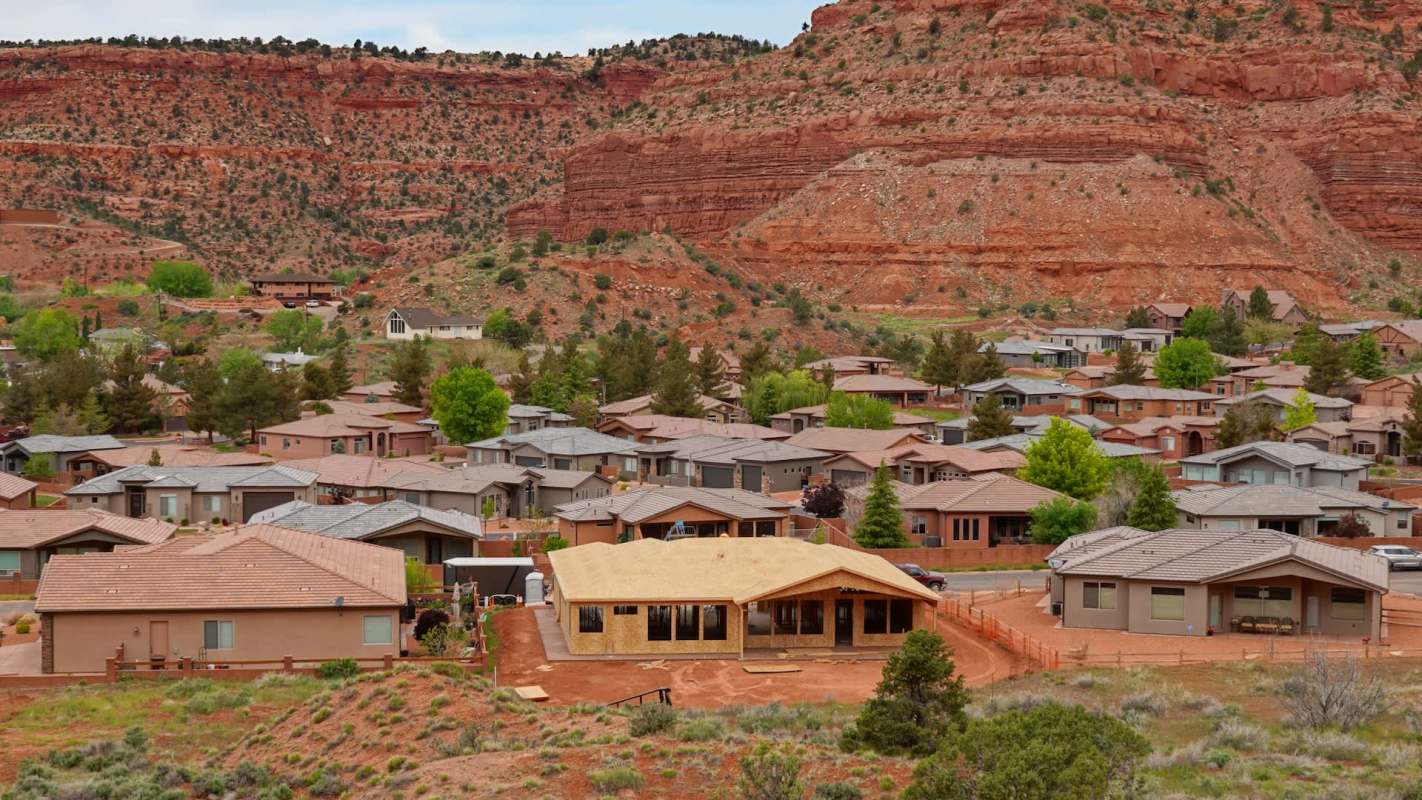
Preparing for life in a desert, one prepper raised an emergency water question: If safe drinking water runs short and boiling is off the table because there is no power or firewood, is collecting condensation a realistic fallback?
The community's answers were practical, if not especially encouraging. In a very dry climate, commenters said, water storage and filtration are much likelier to help than any plan built around pulling moisture from the air.
Here's what to know
"I have some LifeStraws and a Berkey filter," the poster said in a thread on Reddit's r/TwoXPreppers, noting they were trying to plan for a move to "a desert climate with limited rainwater" and were thinking about "how to get water from condensation and other off-grid water ideas."
They added, "We'd have a canal with irrigation water and a pond nearby both within walking distance, but I'm not sure that would be feasible for drinking out of."
Most users treated condensation as a poor bet. "Deserts typically have dry air. There won't be condensation to collect," one commenter wrote, saying that unless the temperature falls below the dew point, even cold desert nights may produce very little water.
The more actionable advice focused on using water that was already close at hand. Commenters said a gravity-fed filtration system would likely be a far more dependable emergency tool than trying to harvest meaningful moisture from desert air.
TCD Picks » Quince Spotlight
💡These best-sellers from Quince deliver affordable, sustainable luxury for all




More background
Storage was also part of the problem. "The people I live with probably won't like it if I bought some water storage jugs in our shared garage, so I have limited options," the poster said.
People in the thread also stressed that accessible water is not the same as safe water. One commenter said they would be "wary of irrigation canal water since it might contain fertilizer runoff," while the other commenter warned that agricultural chemicals could be an issue and suggested running the water through charcoal before using a gravity filter.
A few other alternatives were mentioned, but only as limited supplements. Some commenters named passive atmospheric water collectors, and one suggested solar stills might produce "a cup or two of clean water out of a smallish system if it is warm enough" — which could be helpful in a pinch but certainly not enough for most households to count on.
What can be done?
For desert preparedness, storage and filtration were favored over condensation-based workarounds. Even a relatively small reserve can matter, and building one ahead of time is often simpler and cheaper than improvising once water is already scarce.
For someone short on space, the commenter who suggested solar stills also suggested small containers spread around the house: "2 liter bottles can be 'hidden' behind books, under beds, and so on." As they put it, "20-plus liters is a better buffer than nothing."
The takeaway was that a gravity-fed filter offers a realistic way to use nearby non-potable water, though polluted sources may need more than one treatment step. By contrast, solar stills and atmospheric water devices were framed as niche options, limited by low humidity, high cost, and modest output.
Where can I learn more?
These articles explore ways people are pulling water from the air, desalinating seawater, and cutting household water use.
• Entrepreneur Moses West is bringing air-to-water machines to communities with unsafe supplies.
• Researchers created a material that harvests water from indoor air for future buildings.
• Around the world, engineers use energy-intensive desalination systems to turn seawater potable.

Get TCD's free newsletters for easy tips, smart advice, and a chance to earn $5,000 toward home upgrades. To see more stories like this one, change your Google preferences here.






