


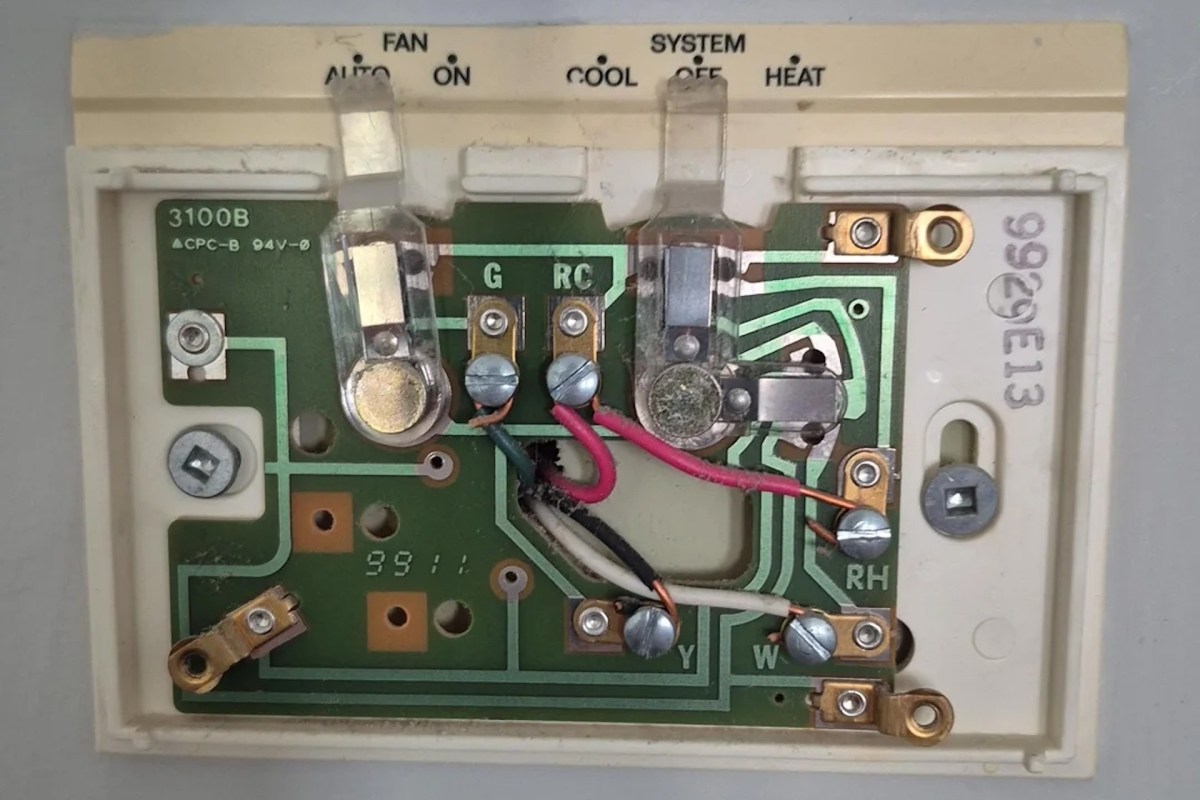
A person expecting a smarter, more efficient cooling setup got the opposite result after installing an ecobee Premium thermostat.
What followed was a quick crowdsourced troubleshooting session that uncovered a small wiring mistake with potentially major consequences for comfort and utility bills.
Here's what to know
On Reddit, a homeowner said an ecobee Premium installed with the Power Extender Kit kept missing the target temperature.
Even though the thermostat indicated that cooling and the fan were on, it was "never able to get to the temperature I set it at."
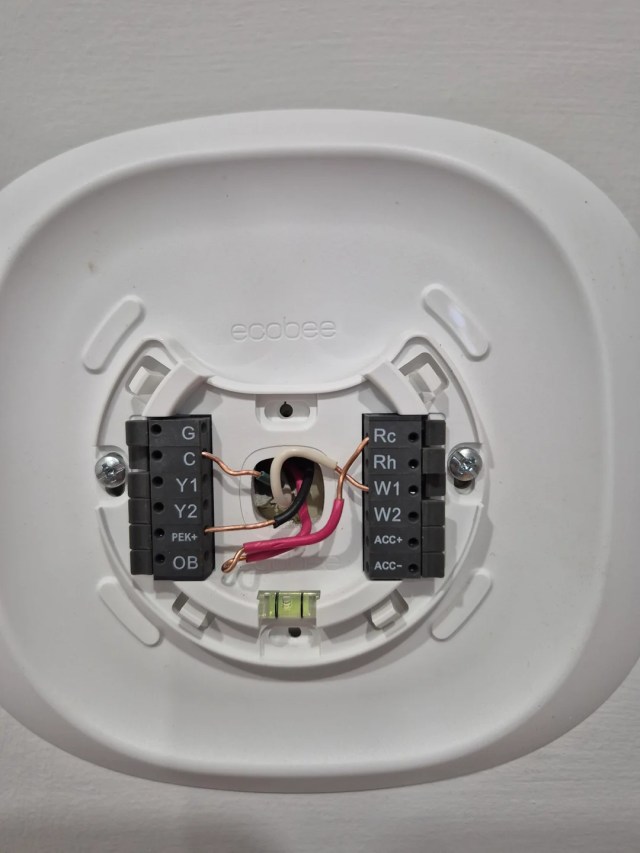
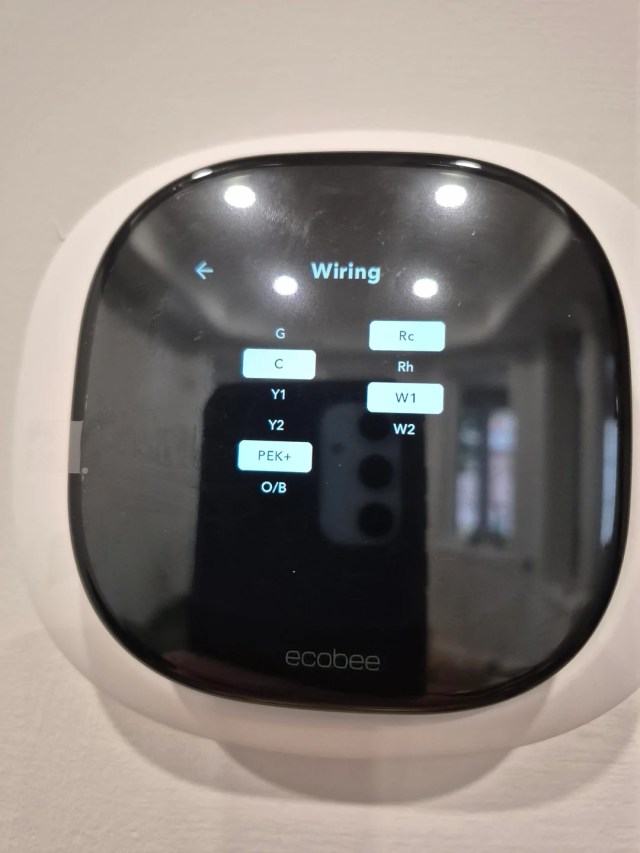
Attention in the replies turned to the connections behind the thermostat, along with concerns that too much copper was left exposed at the terminals, which increased the chance of an accidental short.
One commenter warned, "If the red wire and white wire touch then it will make the heat go on whether you want it to or not."
TCD Picks » Quince Spotlight
💡These best-sellers from Quince deliver affordable, sustainable luxury for all




"Yeah I think it was this issue that caused it," the original poster wrote. "I've moved the Red wire away from the White and it's working much better now. Thank you!"
The poster added, "The air coming out of the vent is much cooler now. Will give it a few hours to lower the temp of the house!"
More background
Smart thermostats can help reduce wasted energy by making it easier to schedule temperatures, monitor runtime, and fine-tune comfort settings, but only if the equipment is installed properly.
A commenter then spelled out the wiring problem: "Yeah, RC is 24V and W1 is your heater contact. You had shorted them together, which would be the same as the thermostat calling for heat. Glad you figured it out."
Besides making a home less comfortable, that kind of error can also waste electricity by forcing the air conditioner and furnace to work against each other, raising utility costs without helping the homeowner.
A separate reply noted that thermostat temperature readings are not always accurate, and suggested checking the room with another thermometer or using a remote sensor if one is available.
What can be done?
For anyone installing a smart thermostat, the thread highlighted a few basics: leave only a minimal amount of exposed copper, keep the wires from touching one another, and verify that each lead is in the right terminal.
It also pointed to two other steps: turn off the appropriate breakers before changing the wiring, and judge the system by whether the air at the vents is truly cold after testing. A display that says "cool" does not automatically mean the equipment is operating the way it should.
Fixing a wire that is falsely calling for heat can stop unnecessary system runtime, helping homeowners avoid paying to run heating and cooling equipment in a way that works against itself.
Where can I learn more?
Other home heating and air-conditioning tips can improve comfort and reduce wasted energy.
• Homeowners found a popular heating hack can quietly drive up energy waste and costs.
• One frugal homeowner used budget-friendly room dividers to keep winter spaces warmer for less.
• After a quick cleanup, one homeowner said the difference was phenomenal in AC performance.
• In one home, radiator foil made a big difference in keeping heating bills down.
• During hotter months, one expert said dry mode all summer helped trim AC costs.

Get TCD's free newsletters for easy tips, smart advice, and a chance to earn $5,000 toward home upgrades. To see more stories like this one, change your Google preferences here.






