


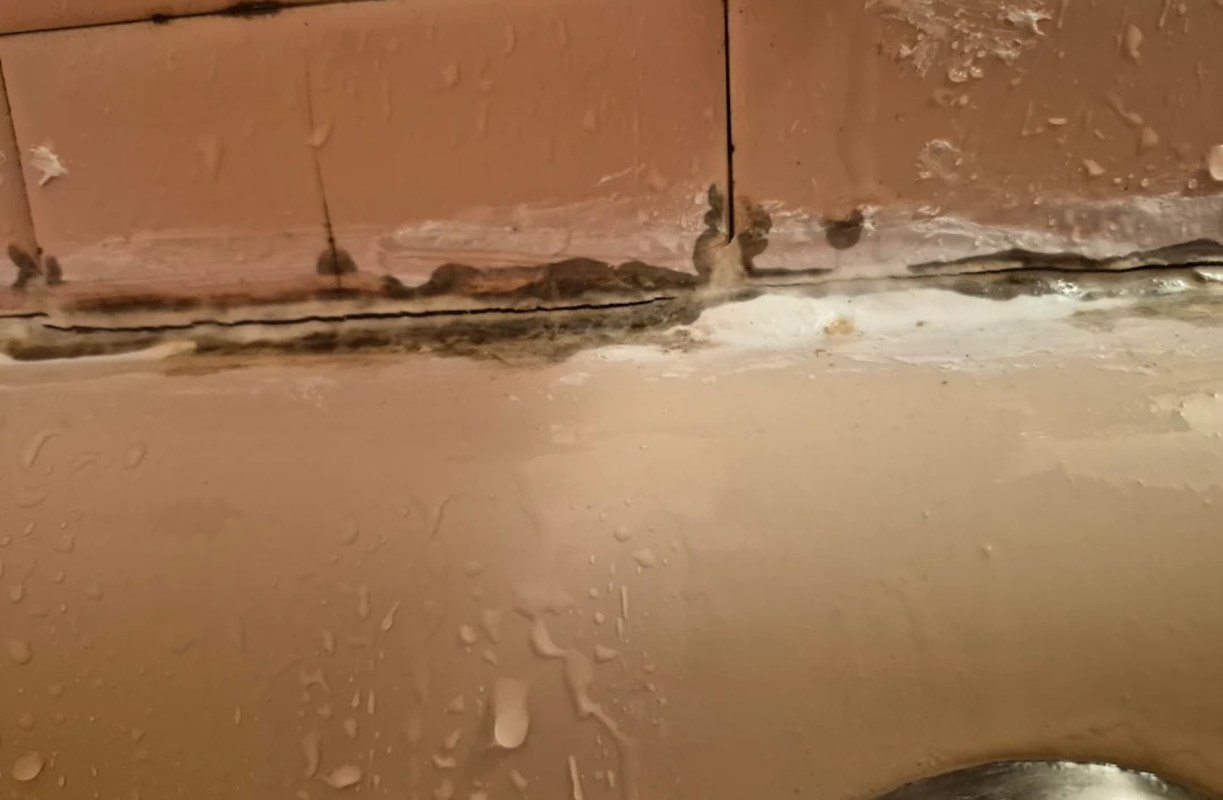
A homeowner who had already redone the caulk around their tub four times in about a year thought they were dealing with a mildew problem that would not stop.
But commenters on Reddit said the real fix may come down to an easy-to-miss step: weighing the tub down before sealing it.
Here's what to know
Posting in r/HomeMaintenance, the original poster said the caulk "cracks almost immediately, then grows mildew underneath."
According to the post, they had already been diligent about removing the old caulk and letting the area dry, yet the new seal still would not last.
A commenter laid out a step-by-step method: "Looks like the area is not clean enough before caulking. Clean all old caulk off. Use alcohol to clean after you think it is clean. Fill tub up. Make sure area is completely dry. Caulk. Let it set. Drain tub."
Their explanation was that some tubs settle or flex a little under the weight of water or a person, and that slight movement can tear cured caulk if it was applied while the tub was empty.
TCD Picks » Quince Spotlight
💡These best-sellers from Quince deliver affordable, sustainable luxury for all




More background
That movement may not sound significant, but even a tiny gap can be enough to break a watertight seal. Once that happens, moisture can slip behind the caulk, creating the damp conditions where mildew and mold can thrive.
Another commenter warned that the visible mildew may not be coming only from the caulk line.
"The black marks is a telltale sign that water is getting behind the tile in other places than where the caulk was applied," they said. "Grout probably chipped away."
Repeated leaks can lead to more serious water damage, more expensive repairs, and extra spending on materials that should have lasted much longer.
What can be done?
The thread also emphasized that appearance alone is not a reliable test. One commenter said a seam can look clean and still have enough residue to be felt by touch, which may be enough to ruin the next application. One commenter mentioned using a razor blade to remove the old material completely.
If the caulk still cracks after that, commenters suggested looking beyond the bead itself and checking the surrounding grout, tile, or tub installation. In that case, the problem may be bigger than the caulk line alone.
Where can I learn more?
Bathroom problems rarely stay in one lane. The same issues that showed up in this caulk thread — prep work, moisture, and hidden leaks — also come up in plenty of other plumbing repairs.
• A home inspector recommended a simple plumbing check that can prevent thousands in leak repairs.
• A home expert showed an easy faucet repair that stops drips before they raise bills.
• A plumber walked homeowners through a quick toilet leak fix.
Spotting moisture and drainage problems early can save a lot more than the cost of another tube of caulk.

Get TCD's free newsletters for easy tips, smart advice, and a chance to earn $5,000 toward home upgrades. To see more stories like this one, change your Google preferences here.






