


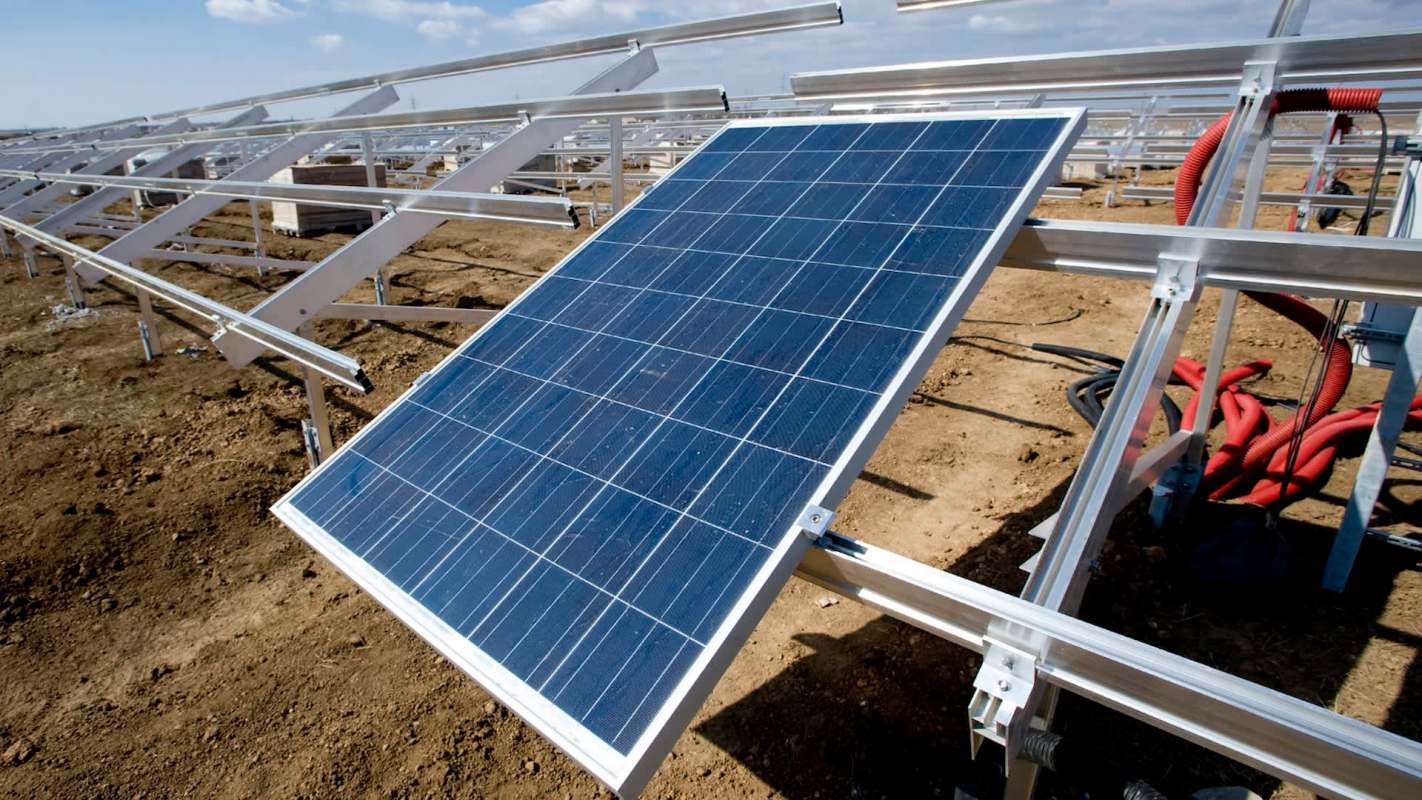
Solar panels now cover a former military firing range near Thimphu, Bhutan, a visible sign of how the kingdom is adjusting as winter power shortages deepen and climate threats add pressure to its hydropower-dominated grid.
Here's what to know
As Tech Xplore explained, Bhutan has long relied heavily on electricity generated from its rivers while still remaining carbon negative.
Near Thimphu, Norion Renewable Energy senior engineer Rinzin Galley is helping advance that shift through the Dechencholing solar farm. Built on former military land, the site has 4.45 megawatts of installed capacity and is part of a wave of Bhutanese solar development that also includes the larger Sephu project at more than 22 MW.
Bhutan's winter power crunch is a major reason for the new solar push. Druk Green Power Corporation managing director Chhewang Rinzin said the country can produce about 3,700 MW from hydropower, but that figure drops by roughly four-fifths in winter. He also said that winter demand has climbed from 400 MW to 1,500 MW, leaving Bhutan to import electricity from India when river levels fall.
For homeowners looking at the same technology on a smaller scale, going solar is one of the best ways to save money on home energy. You can explore EnergySage to get free solar installation estimates and compare quotes.
Under its current plans, Bhutan wants to build 25,000 MW of total capacity by 2040, with solar expected to account for about 20% of that. The target is part of a wider diversification effort in a country where hydropower exports make up as much as 15% of GDP.
More background
Bhutan's hydropower success also leaves it vulnerable. Its rivers are fed by glaciers, and rising global temperatures threaten that water supply over time. More solar could help keep homes, businesses, and public buildings powered through winter while reducing dependence on imported electricity.
Even with that momentum, practical obstacles remain. Galley said, "Solar projects are booming," but large ground-mounted systems require a huge amount of land, which is hard to find in Bhutan's mountainous terrain. High-altitude routes and roads often damaged by landslides add to the challenge.
Save $10,000 on solar panels without even sharing your phone number Want to go solar but not sure who to trust? EnergySage has your back with free and transparent quotes from fully vetted providers that can help you save as much as $10k on installation. To get started, just answer a few questions about your home — no phone number required. Within a day or two, EnergySage will email you the best local options for your needs, and their expert advisers can help you compare quotes and pick a winner. |

To support future expansion, Bhutan is also trying to build more local solar expertise. Norion has used the De-suung royal skilling initiative to train roughly 450 volunteers in solar installation and maintenance, helping create a domestic workforce for future projects.
Rooftop panels are increasingly common on businesses and government sites around Thimphu, but the upfront cost is still too high for many households. Om Pradhan, a former minister and ambassador, said that installing his home system cost 600,000 ngultrums, or about $6,300, a price many Bhutanese still cannot easily afford.
What's being done?
Bhutan's response includes policy changes, worker training, and a mix of large solar farms and rooftop systems. The country has opened up foreign investment rules, while Norion is targeting 30 MW of solar installations by 2027, with a large share planned for rooftops, which could make clean power more accessible in dense urban areas.
If you're considering rooftop solar, EnergySage offers free quote comparisons. With its help, the average person can save up to $10,000 on solar purchases and installations. EnergySage's solar map shows average home-system costs by state and details available incentives.
More From EnergySage
💡Go deep on the latest news and trends shaping the residential solar landscape
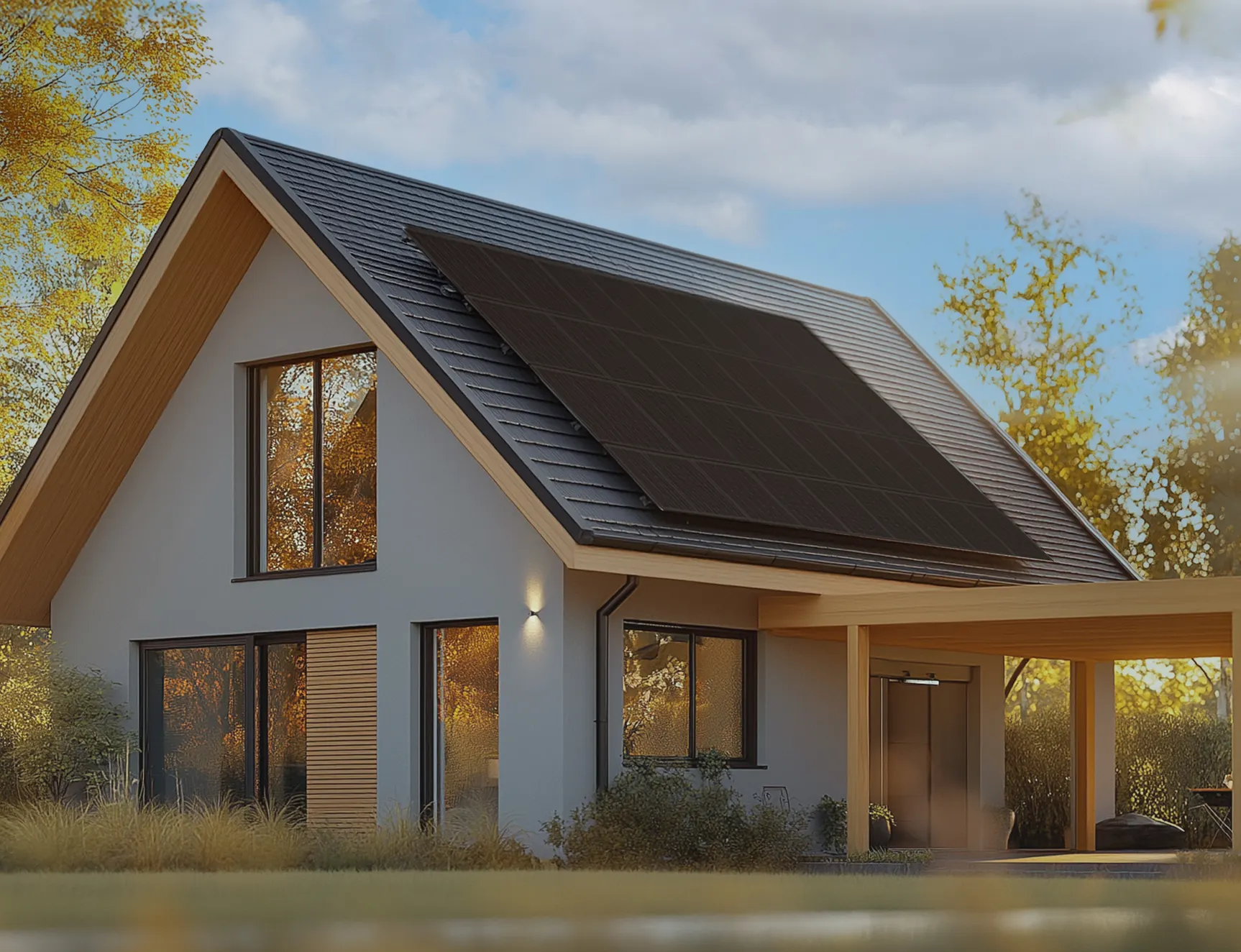
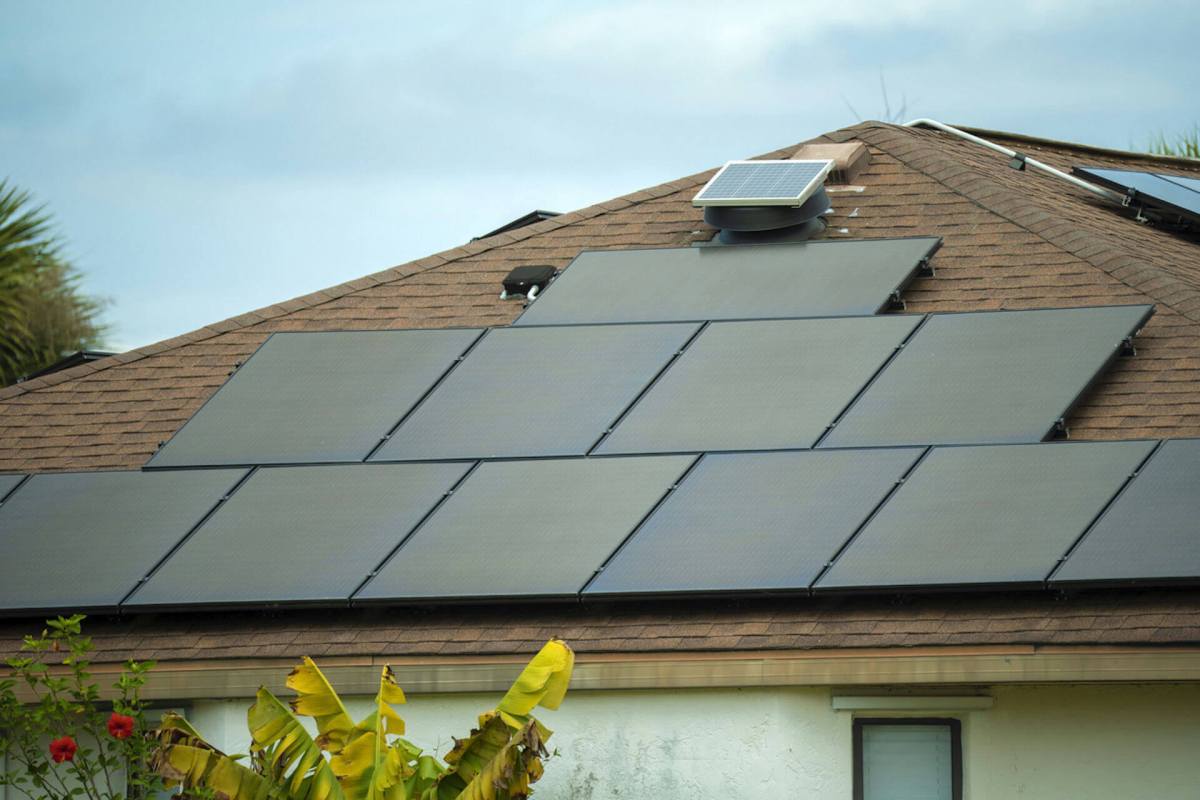
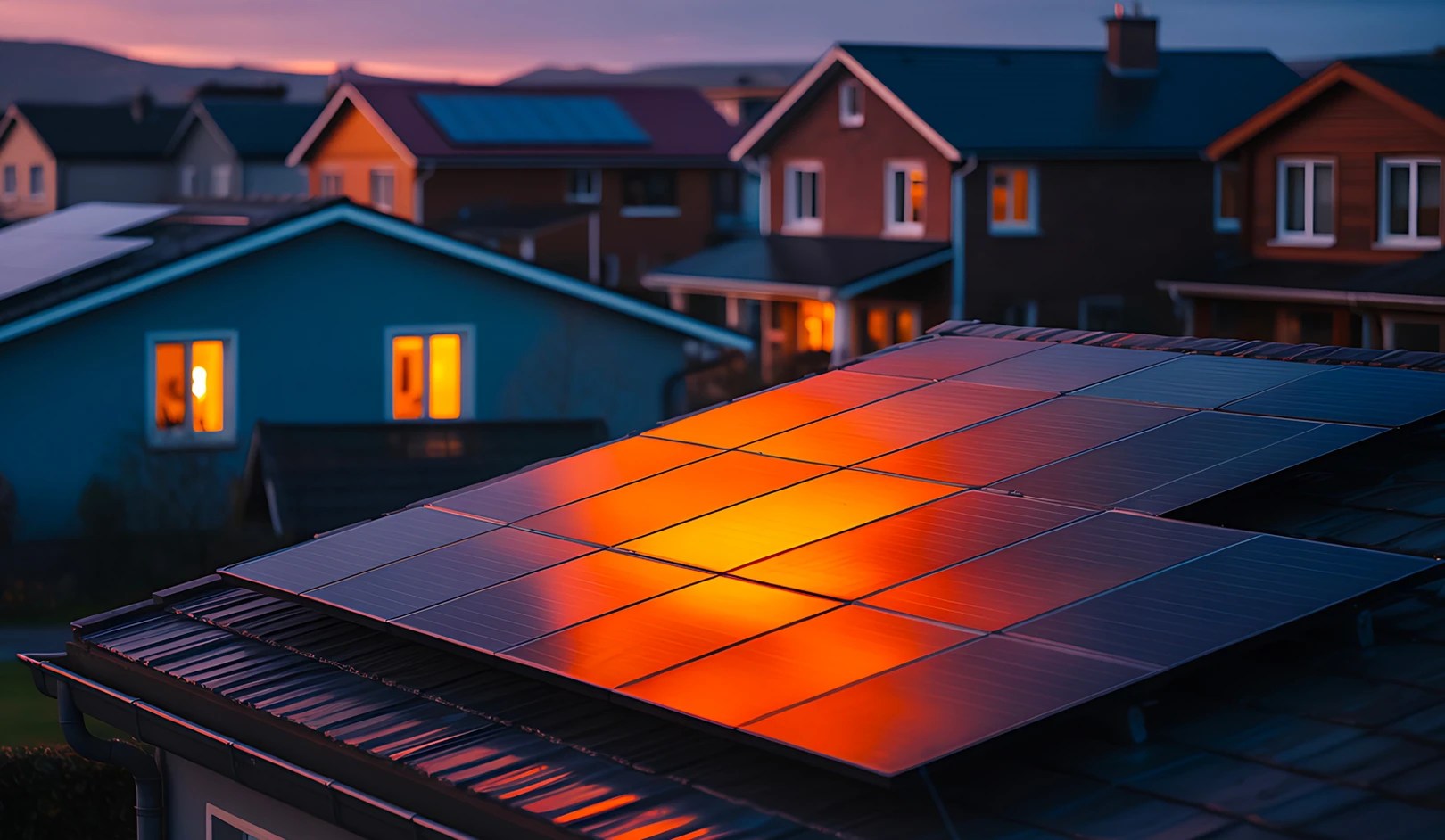

Adding battery storage to a solar setup is one of the best ways to protect your home during outages, save money on energy, and go off-grid. Batteries can also store extra power generated during the day for use when energy prices rise or the grid goes down. You can explore EnergySage for information about home battery storage options, including competitive installation estimates.
"We are quite aware that climate change will affect us, that the glaciers will keep receding," Chhewang Rinzin said. "So I think in the long term, you will have to keep yourself open to other options."
Where can I learn more?
Bhutan's solar push echoes what is happening elsewhere as countries use solar panels to shore up their grids and rely less on more vulnerable power sources.
• In India, a multibillion-dollar solar buildout has saved the country billions on energy costs.
• In Germany, solar overtook coal and gas, defying assumptions about cloudy climates.
• In rural communities, agrivoltaic solar arrays are easing land conflicts by sharing space with farming.

Get TCD's free newsletters for easy tips, smart advice, and a chance to earn $5,000 toward home upgrades. To see more stories like this one, change your Google preferences here.






