


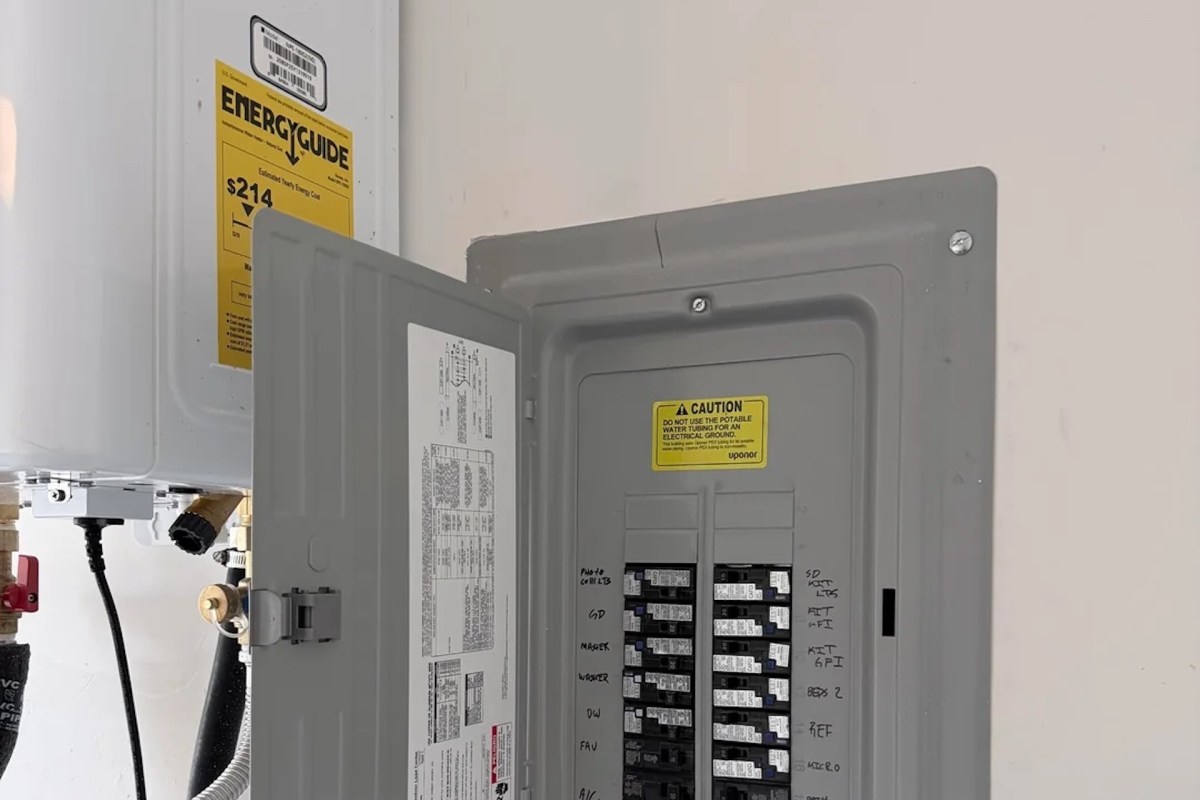
A Reddit post from a first-time townhouse buyer highlights a question that can come up quickly for electric vehicle owners: whether a home supplied with 100 amps can handle vehicle charging along with the rest of daily electrical demand.
That matters because home charging is most useful when it fits around ordinary household use rather than competing with appliances such as air conditioning, a microwave, or laundry equipment.
Here's what to know
The buyer in a Reddit thread was trying to figure out whether a new unit could support the same 48-amp charging they use now. The post said the townhouse would not include EV charging wiring or a dedicated outlet, so any setup would need to be installed later by an electrician.
After checking a neighbor's electrical panel, the buyer asked: "Looks like I won't be able to have the same in this new house; am I seeing that right?"
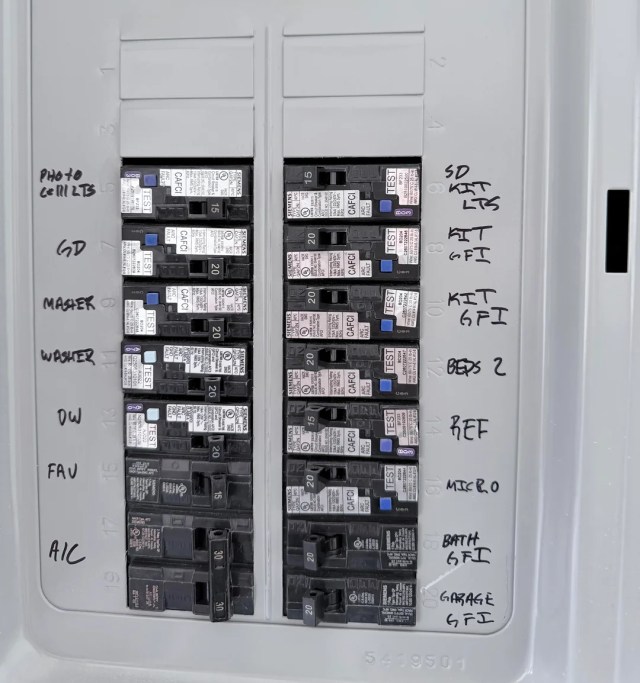
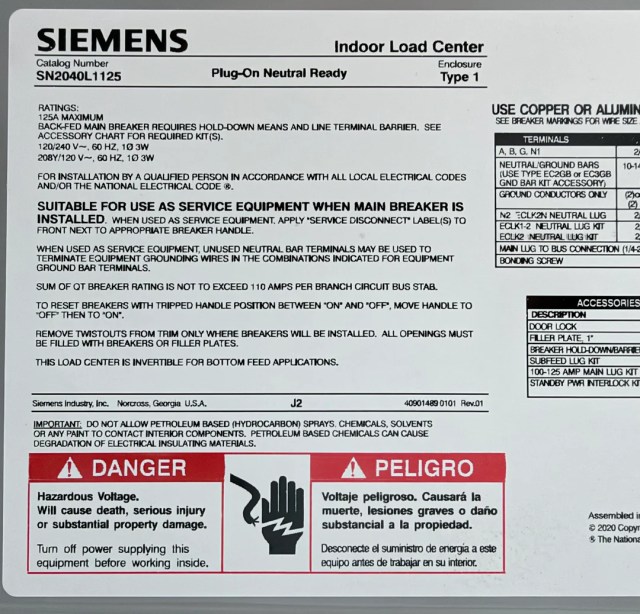
In a follow-up, the buyer shared an update from the builder: "The construction supervisor got back to me and said each unit is being fed 100A from the main building breaker box."
Commenters generally said EV charging may still be possible on that service, but the safe answer depends on a real load calculation.
TCD Picks » Quince Spotlight
💡These best-sellers from Quince deliver affordable, sustainable luxury for all




"100 amps is on the low side, but not impossible," one commenter wrote. "You may want to do a load calculation."
The charger size matters for both day-to-day convenience and project cost, especially if a homeowner can meet overnight charging needs without paying for a major service upgrade.
More background
The buyer said their current charging setup can refill the vehicle in "7 hours, 50 minutes," which helps explain why they compared the new townhouse to a 48-amp charger. But commenters noted that not every driver needs that level of charging power every night.
For households with lighter usage, commenters said a much slower setup can still work.
"If you don't drive a lot, you can charge with a standard 120v 20amp outlet," one person wrote. "That's what we do, and it covers a 30 mile per day driving and 100 mile trip on the weekend."
Even though a higher-amperage charger can be more convenient, a smaller installation may still make financial sense if it avoids bigger electrical upgrades and still covers normal driving.
What can be done?
Rather than assuming the panel can or cannot handle a charger, commenters repeatedly pointed to the same next step: have an electrician calculate the home's total load before installation. That process can show whether EV charging fits safely within the service and what charging level the house can support.
So, even if a 48-amp setup does not pencil out, that would not automatically rule out home charging. A reduced-amperage charger, or a basic outlet-based approach, may still be sufficient for drivers who mostly plug in overnight.
Commenters also said that if the buyer can still influence construction decisions, this may be the easiest time to ask about a bigger service.
"If it were me, I would seriously look at the cost of upgrading to a 200 amp service," one commenter wrote. "This would allow for future electrification of the unit, which is the overall trend, and it won't be any cheaper than today."
How practical and affordable home EV charging feels in the long run can depend on details like pre-wiring, available panel capacity, and whether future upgrades are still on the table.
Where can I learn more?
Choosing the right setup involves more than evaluating electrical panel capacity. Available rebates, shared property charging solutions, and overall home electrification strategy should all be considered alongside an electrician's load calculation.
• One homeowner cashed in on major rebates and cut an at-home charger cost by nearly 80%.
• In Gunnison County, Colorado, homeowners can collect up to $1,250 toward an at-home charger.
• Swtch says its Cortex platform could solve a major EV charging dilemma in apartment complexes and commercial buildings.
• Apartment dwellers say free plugs are vanishing as EV charging access grows more competitive.
• Elephant Energy says zero-carbon home upgrades can save money and cut logistical headaches.

Get TCD's free newsletters for easy tips, smart advice, and a chance to earn $5,000 toward home upgrades. To see more stories like this one, change your Google preferences here.






