


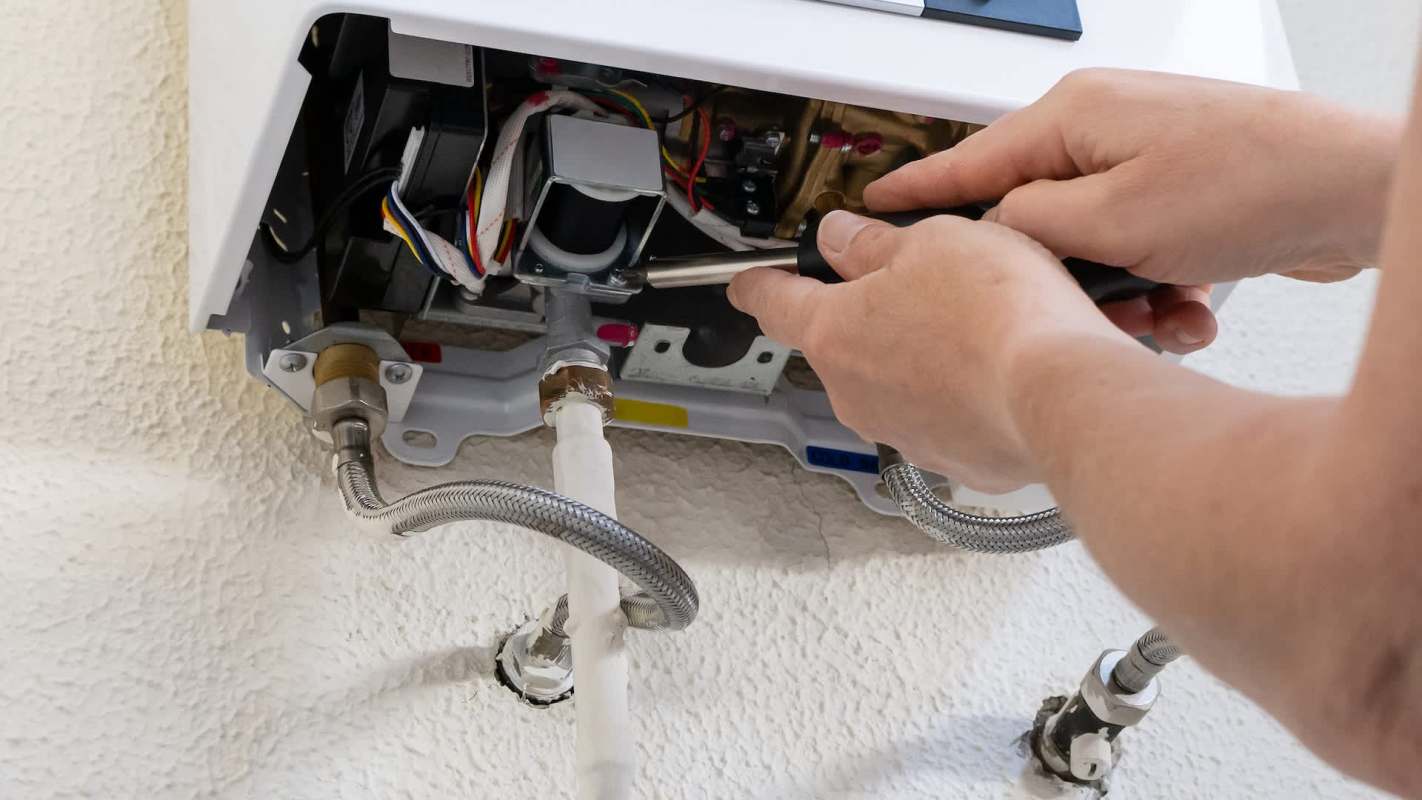
A homeowner who paid $230 for a tankless water heater fix expected the $80 service-call fee — but not the extra $150 labeled as a "minor repair."
Because the technician's work took only about 20 minutes, the bill prompted a familiar question for anyone who has ever called in a pro: Why did it cost that much?
Here's what to know
According to a homeowner in a Reddit discussion, the appointment was short. The technician opened a tankless unit, removed a leaf from an internal air filter, and cleaned the igniter and flame sensor.
With the work finished in roughly 15 to 20 minutes, the original poster said they were left "a little dumbstruck" by the bill.
The homeowner said they were trying to figure out whether the pricing was typical for a medium-sized Midwestern city. The invoice listed an $80 service call and a $150 "minor repair," which they said "effectively works out to $450/hour plus the service call."
Most commenters said the price sounded reasonable.
"You didn't pay for someone to clean a filter, you paid for someone who has the training and experience to diagnose the issue as the filter, who can do the service required without damaging anything, and who would have also likely identified any other issues with the unit while they were there," one commenter wrote.
Another commenter put it more directly: "The amount of time it takes doesn't dictate the cost for trade /service."
Save $10,000 on solar panels without even sharing your phone number Want to go solar but not sure who to trust? EnergySage has your back with free and transparent quotes from fully vetted providers in your area. To get started, just answer a few questions about your home — no phone number required. Within a day or two, EnergySage will email you the best options for your needs, and their expert advisers can help you compare quotes and pick a winner. Solar panels can save you more than $50k over their 25-year lifespan, and EnergySage can help you save as much as $10k on installation. Which begs the question — isn't that worth an email or two? |

More background
When the visible work wraps up quickly, it's easy to think the price should reflect only the minutes spent inside the house.
People in the Reddit thread said the charge covers more than the brief time spent at the unit, pointing to overhead such as travel, office staff, insurance, tools, training, and stocked service vehicles, along with the value of diagnosing the problem correctly on the first visit.
"$150 for that seems about right for a qualified technician, anything less and your problems isn't really worth their time to get to your house," one commenter wrote.
Commenters also suggested asking ahead of time whether a company uses flat-rate pricing, whether the service-call fee is separate from the repair, and what basic maintenance might help avoid future surprises.
Upgrading to a heat pump water heater can reduce the energy needed to heat water, which may help lower utility bills over time compared with more conventional systems.
What can be done?
Asking about minimum charges before the appointment begins can help avoid sticker shock. It may also help to look up your unit's maintenance schedule, keep outdoor vents and intake areas clear, and compare companies before the next breakdown becomes urgent.
"You aren't paying $450/h you're paying $80 for a guy to drive to your house and $150 for him to solve your problem," one commenter wrote.
If you are exploring ways to lower your energy bills, upgrading to a heat pump water heater is an excellent option. Modern smart heat pump water heaters, like those offered by Cala, help homeowners save money by heating water precisely when needed. Choosing a customizable system from Cala lets you optimize efficiency and cut unnecessary energy use compared with traditional heating setups.
Where can I learn more?
Unexpected home costs can catch people off guard, whether they show up after a quick service call, in an HOA notice, or during insurance renewal season. Here are a few examples of homeowners and renters trying to sort through bills, risk, and preparedness when the price feels bigger than the problem.
• One homeowner was stunned by a $2,000 bill from an HOA over late fees.
• A tenant was baffled after high temperatures in their apartment were blamed for steep bills.
• In Thailand, insurers reached a critical crossroads over climate pressures that could raise policy costs.
• A survival veteran said the only thing you control in a crisis is your response.

Get TCD's free newsletters for easy tips, smart advice, and a chance to earn $5,000 toward home upgrades. To see more stories like this one, change your Google preferences here.






