


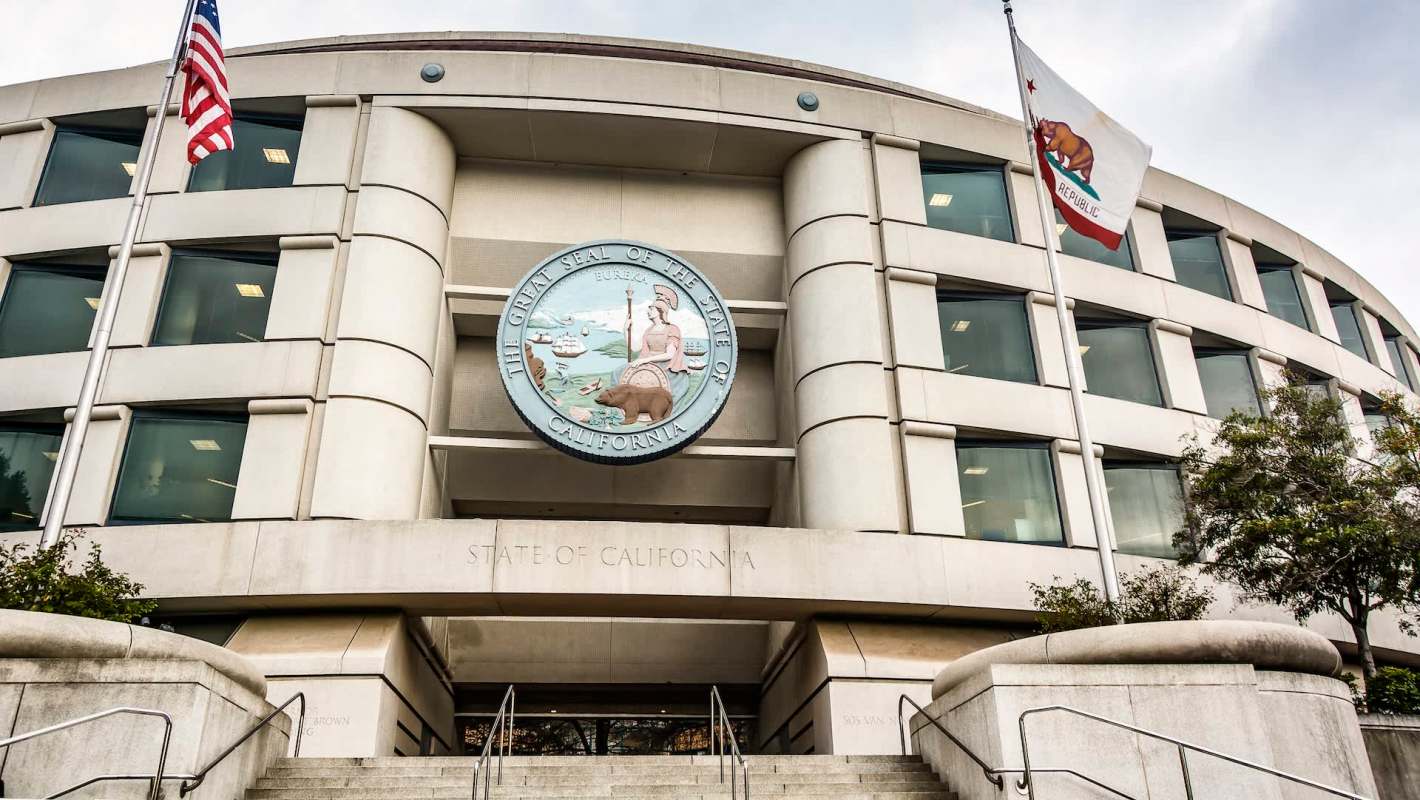
California is reopening an important part of the process used to approve utility bills, launching its first major overhaul in nearly two decades as concerns about household energy costs continue.
On Sept. 3, the California Public Utilities Commission opened a proceeding required by the state Legislature to improve affordability, accountability, and transparency in how the state's investor-owned gas and electric utilities ask for permission to raise rates.
Here's what to know
Lawmakers directed the CPUC to reexamine how it evaluates utilities' spending proposals, an area the agency has not overhauled in 19 years, The Bakersfield Californian reported.
That makes it a significant reset for a process that can directly shape what customers ultimately pay each month since investor-owned utilities must seek approval before changing rates.
At the center of the effort is how utilities justify their spending and make the case for higher rates. A more transparent and accountable review process could give regulators and the public a clearer view of the costs being proposed and why.
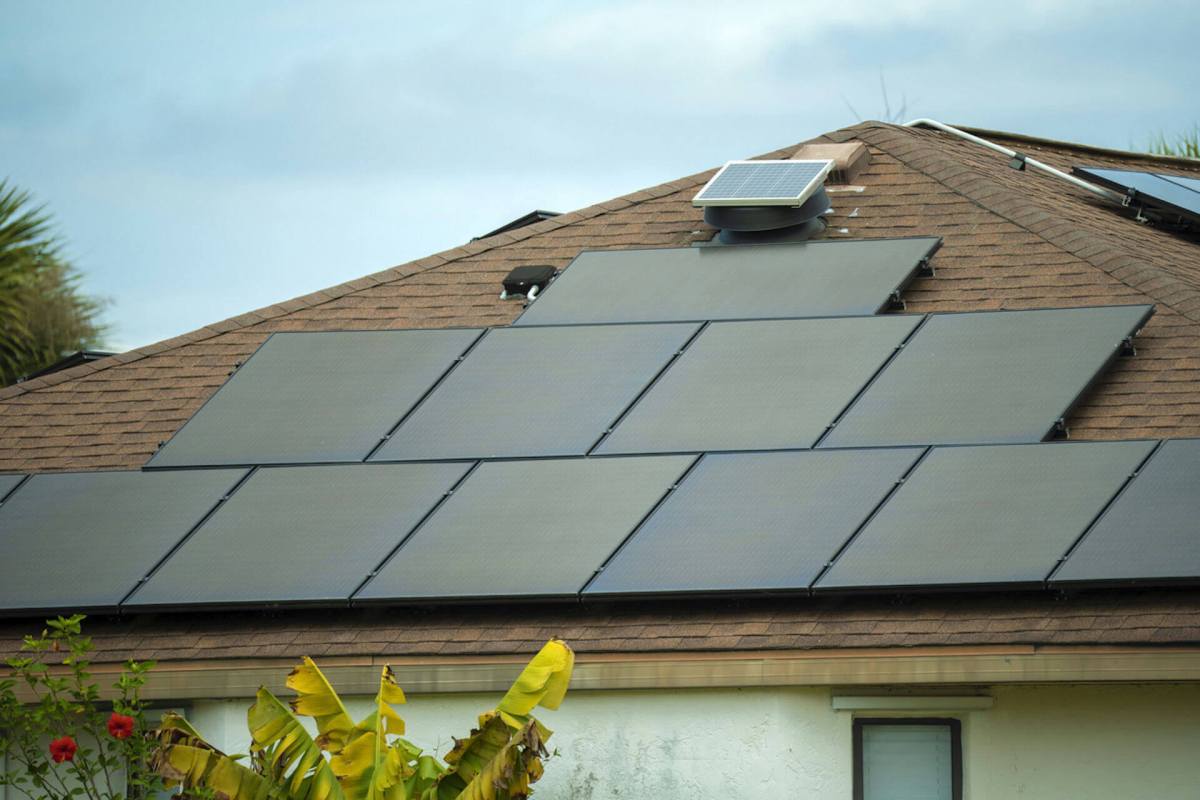
For households looking for more control over energy costs, going solar is one of the best ways to save money on home energy. It may be worth exploring EnergySage to get free solar installation estimates and compare quotes.
More background
Energy systems, infrastructure needs, and cost pressures have all changed in the years since the CPUC last overhauled this process.
The CPUC's review is one of the main checkpoints between utility companies and consumers. If that process is hard to follow or outdated, it can be difficult for the public to understand why bills are rising or whether proposed investments are weighed fairly.
Save $10,000 on solar panels without even sharing your phone number Want to go solar but not sure who to trust? EnergySage has your back with free and transparent quotes from fully vetted providers that can help you save as much as $10k on installation. To get started, just answer a few questions about your home — no phone number required. Within a day or two, EnergySage will email you the best local options for your needs, and their expert advisers can help you compare quotes and pick a winner. |

Even before any rule changes are finalized, the launch of the proceeding signals that California is taking a fresh look at whether the system for reviewing utility spending still serves customers as well as it should.
What's being done?
With this review under way, California is reconsidering the rules used to examine utilities' spending plans, a move that could produce clearer filings and a more understandable route to rate-setting decisions.
For homeowners considering a long-term way to reduce rising utility costs, EnergySage's free services can make comparison shopping much easier. With EnergySage's help, the average person can save up to $10,000 on a solar purchase and installation. Meanwhile, EnergySage's solar map shows the average cost of a home solar panel system by state as well as details on solar panel incentives in each state. Together these resources can help you get the best price for rooftop solar panels and access available incentives.
Adding battery storage to a solar setup is one of the best ways to protect your home during outages, save money on energy, and go off-grid. It can also give households flexibility when electricity prices or grid conditions are unpredictable. Readers can explore EnergySage for information about home battery storage options, including competitive installation estimates.
More From EnergySage
💡Go deep on the latest news and trends shaping the residential solar landscape


Reexamining a 19-year-old rate-oversight framework is an important step toward a system that could make utility rate requests easier to understand and fairer for the people who pay.
PG&E said in a statement that it supports the commission's push for a more affordable, accountable, and transparent rate-setting process.
"We look forward to working with the CPUC and other stakeholders on potential improvements that can streamline the regulatory process and increase transparency," the company said, according to the Californian.
Where can I learn more?
California's review comes amid a wider fight over utility costs, customer protections, and what happens when bills rise. Similar tensions are surfacing across the country in regulatory proposals, new advocacy roles, and disputes over whether costly utility decisions should fall on ratepayers.
• In Oregon, lawmakers weighed major changes to utility regulation.
• In New York City, officials named the first public utility advocate.
• In the West, PacifiCorp sought approval to bill customers for wildfire damages.
• In California, PG&E customers faced slashed solar credits when expanding rooftop systems.
• In Kentucky, lawmakers pushed a bipartisan bill to ban utility shutoffs during extreme heat.

Get TCD's free newsletters for easy tips, smart advice, and a chance to earn $5,000 toward home upgrades. To see more stories like this one, change your Google preferences here.






