


A Dutch homeowner with a modest rooftop solar setup is running into a problem finding battery storage that actually makes financial sense.
With changes to the Netherlands' salderingsregeling, its net metering scheme, expected in January 2027, the goal is no longer just producing power cheaply — it's keeping more of that power at home without overpaying for "compatible" hardware.
Here's what to know
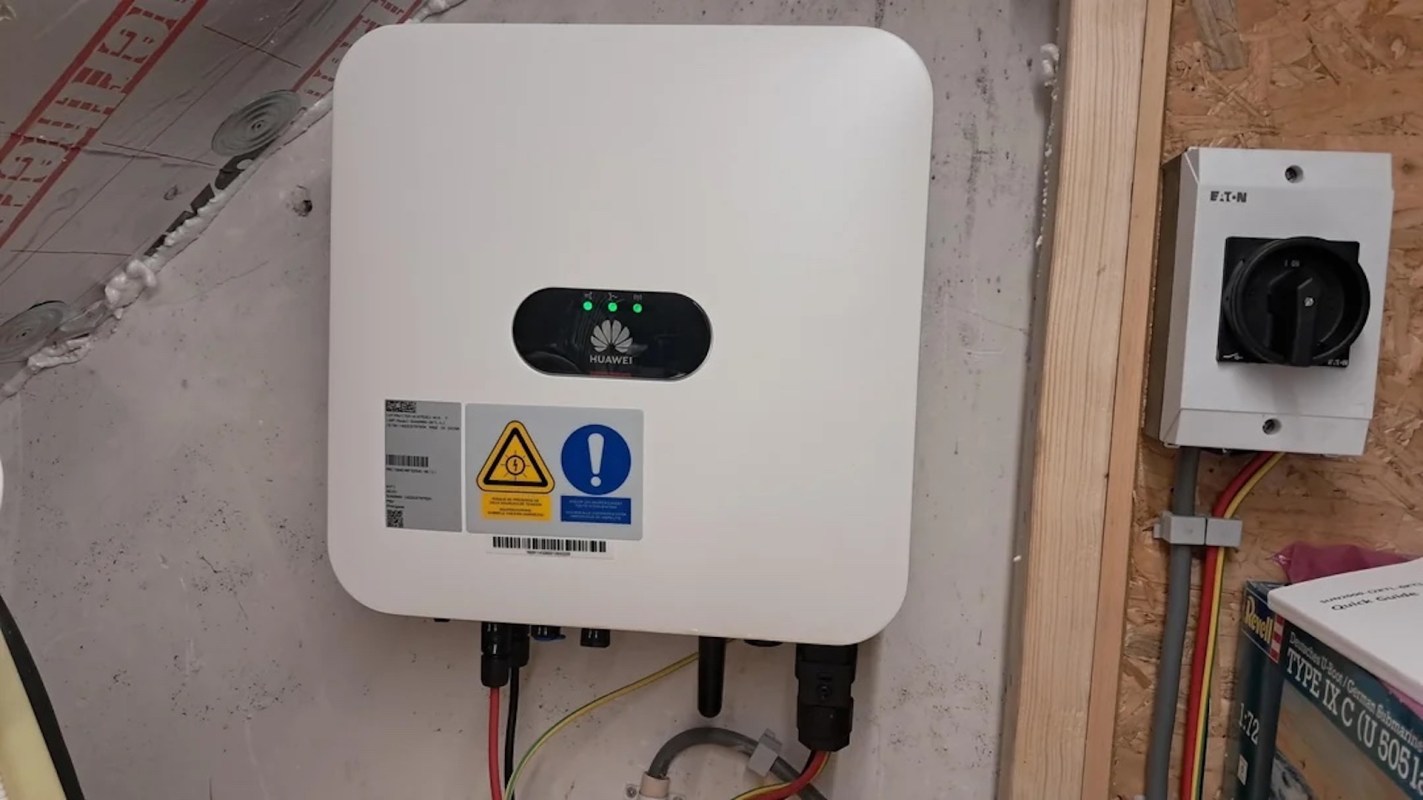
The battery search appears to be driven first and foremost by policy changes. In a Reddit thread on r/SolarDIY, the original poster wrote, "I want to purchase batteries to limit whatever shenanigans this government is about to do to solar owners. (Salderingsregeling)" and said their current setup uses a Sun2000-2KTL-L1 inverter with four 450-watt panels that "peak around 1400 to 1600W on a good sunny summer day."
Rather than paying up for the few batteries that seem to work directly with that inverter, the homeowner was focused on a cheaper route. They said Luna2000 modules and LG Chem RESU 7H/10H batteries looked overpriced, especially compared with the plug-in "Indevolt PowerFlex 2000 eco - 10kwh" set, which they viewed as a higher-capacity option for far less money.
For homeowners facing similar decisions, going solar is one of the best ways to save money on home energy. It can help to explore EnergySage to get free solar installation estimates and compare quotes before committing to costly equipment.
The homeowner did not see an inverter swap as an easy money-saving fix. After one commenter wrote, "Then a switch from this inverter to something that takes standard 48v batteries is trivial, as all the wiring is already there, and no change on roof is needed," the original poster argued that buying a new inverter along with a battery would defeat the purpose of trying to cut costs.
More background
When homeowners can no longer count on getting the same value for exported electricity, storing midday solar power for evening use starts to look much more appealing.
That does not necessarily mean batteries are a bargain. For many households, the math comes down to upfront equipment costs, how much solar power they actually generate, and whether backup power during outages is part of the plan.
Save $10,000 on solar panels without even sharing your phone number Want to go solar but not sure who to trust? EnergySage has your back with free and transparent quotes from fully vetted providers that can help you save as much as $10k on installation. To get started, just answer a few questions about your home — no phone number required. Within a day or two, EnergySage will email you the best local options for your needs, and their expert advisers can help you compare quotes and pick a winner. |

The thread also points to a broader issue in home energy upgrades: Proprietary ecosystems can lock buyers into higher-priced add-ons, even when lower-cost storage options are available elsewhere on the market.
What can be done?
Adding battery storage to a solar setup is one of the best ways to protect your home during outages, save money on energy, and potentially go off-grid. It can also help households use more of their own solar power instead of sending it back to the grid at less favorable rates. If you're exploring those options, EnergySage offers information about home battery storage options, including competitive installation estimates.
For anyone comparing panels, batteries, and inverter upgrades, EnergySage's free services can make the decision much easier. With EnergySage's help, the average person can save up to $10,000 on solar purchases and installations.
EnergySage's solar map shows the average cost of a home solar panel system on a state-by-state level, along with details on solar panel incentives for each state. Together, those resources can help readers get the best price for rooftop solar panels and access available incentives.
More From EnergySage
💡Go deep on the latest news and trends shaping the residential solar landscape



The poster also acknowledged that batteries are not always the best deal while export compensation remains reasonable, writing, "But yes, as long as the grid is providing a decent value for exporting, it is a better value to not ad batteries." They had summed up their view of the brand-compatible products more bluntly: "Both of those options are imho way overpriced."

Get TCD's free newsletters for easy tips, smart advice, and a chance to earn $5,000 toward home upgrades. To see more stories like this one, change your Google preferences here.






