


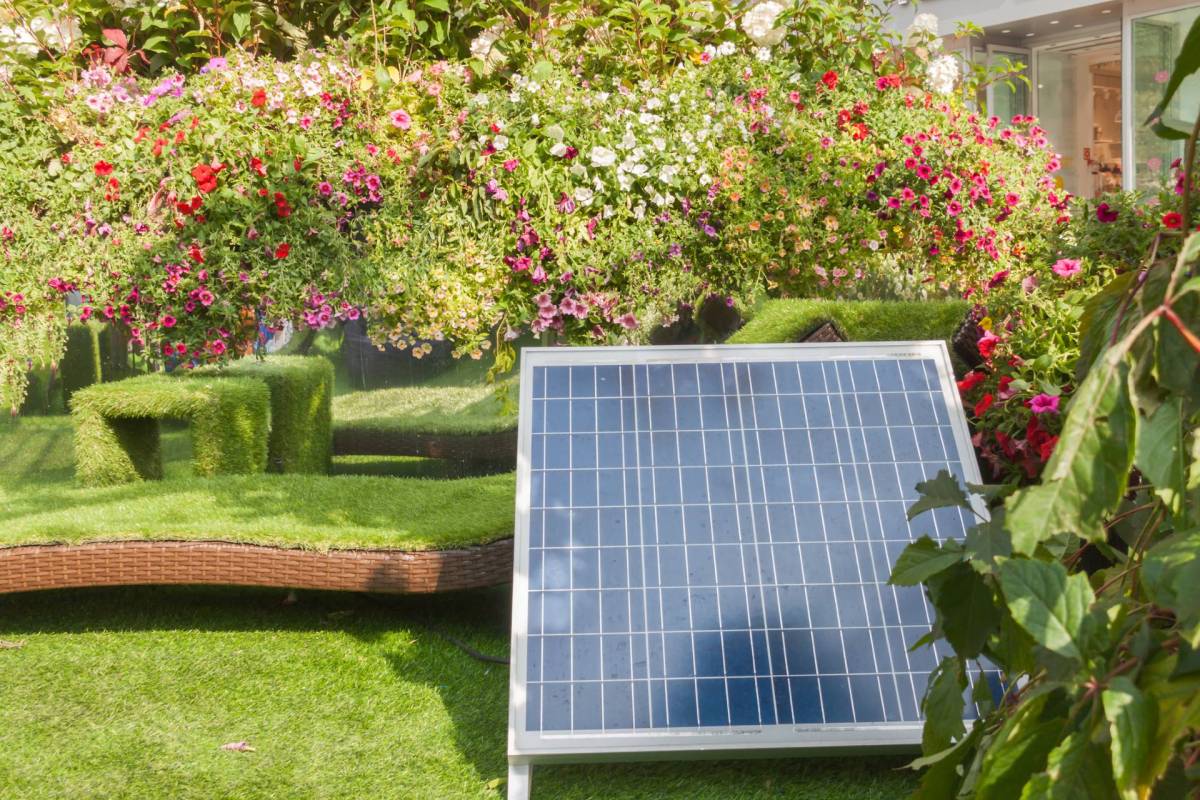
A New York homeowner hoping to build a backyard solar setup ran into a reality check many first-time buyers face.
The panels and batteries may be the exciting part, but the paperwork often comes first, and it is anything but optional.
Here's what to know
In the Reddit thread on the r/diySolar subreddit, the homeowner described the situation.
"I am a first time homeowner in Long Island, N.Y., and I would like to build a solar system to help take the edge off my electric bill," they wrote.
The plan involved a wood-framed array of roughly eight to 10 panels, and the poster said that "what i really need help with is the inverter side of things."
The most helpful replies did not start with equipment recommendations. Instead, they started with permits, utility approval, and plans.
Local approvals were the first order of business in the replies. One commenter said the project needed plans, an interconnection agreement, and a permit before moving forward, while another urged them to "start with [the] town and learn what permitting they require."
A grid-connected solar system is not just a shopping project; it is also a building, electrical, and utility project. One commenter also issued a warning.
Save $10,000 on solar panels without even sharing your phone number Want to go solar but not sure who to trust? EnergySage has your back with free and transparent quotes from fully vetted providers that can help you save as much as $10k on installation. To get started, just answer a few questions about your home — no phone number required. Within a day or two, EnergySage will email you the best local options for your needs, and their expert advisers can help you compare quotes and pick a winner. |

"You'll probably not get away with wooden frame in NY, they'll ask you for pre-engineered ground mount or structural stamp," they suggested.
Going solar is one of the best ways to save money on home energy, especially in places with high power bills. Homeowners who want to compare professional options before buying equipment can explore EnergySage to get free solar installation estimates and compare quotes.
More background
Buying an inverter, battery, or a set number of panels too early can become an expensive mistake. If the design does not match local permitting rules or utility interconnection requirements, that equipment may not be permitted or interconnected.
Solar can reduce how much electricity a home pulls from the grid, while battery storage can help save power for later use. That includes the kind of "rate skimming" the homeowner mentioned, where stored energy is used during more expensive hours.
More From EnergySage
💡Go deep on the latest news and trends shaping the residential solar landscape
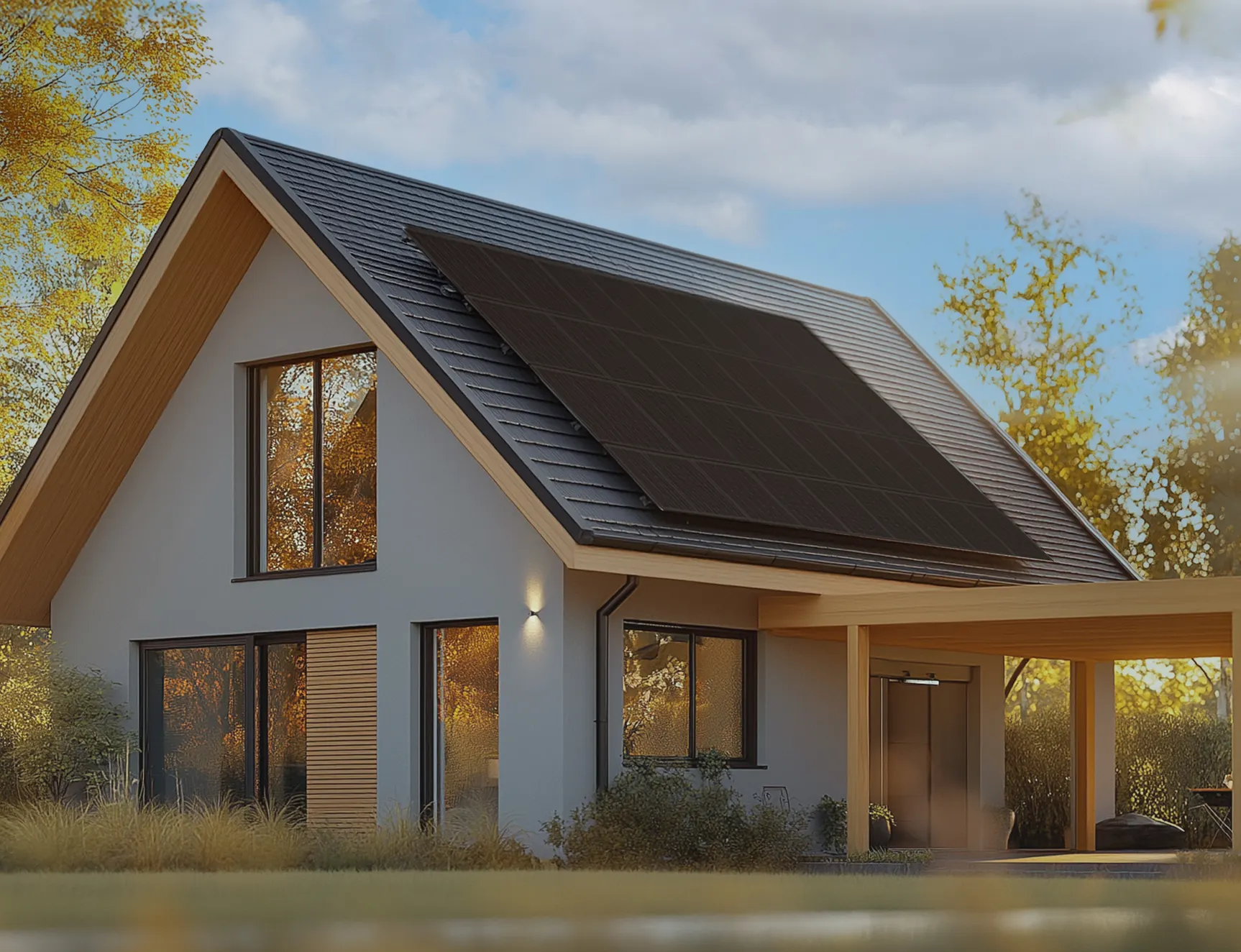
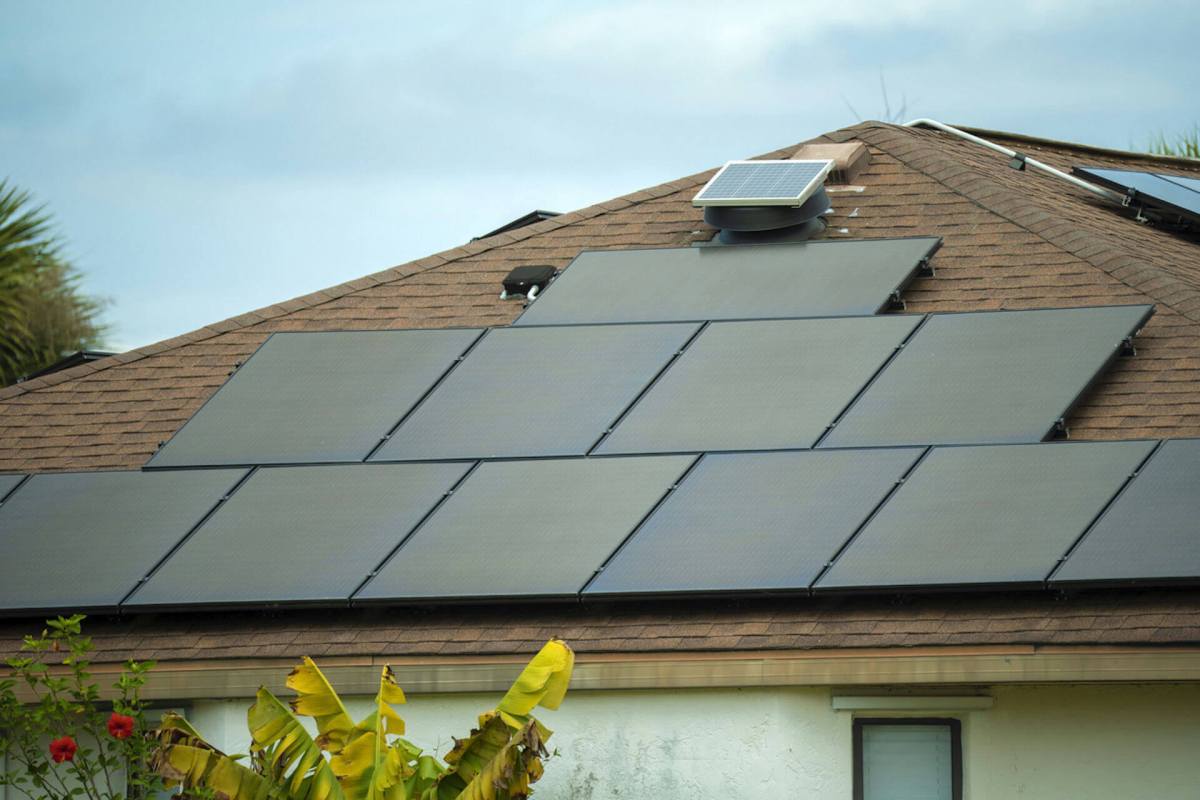

Still, DIY solar is not always a simple plug-and-play money saver. Ground-mount systems may require engineered designs, and battery-backed setups can add another layer of complexity.
What can be done?
For homeowners in a similar position, a more workable order is to check with the town first, verify how the utility handles interconnection, and only then size the setup based on the home's electricity use and the available budget.
Free quote-comparison tools can also help people avoid overpaying. With EnergySage's help, the average person can save up to $10,000 on solar purchases and installations.
EnergySage's solar map shows the average cost of a home solar panel system on a state-by-state level, as well as details on solar panel incentives for each state. Together, those resources can help readers get the best price for rooftop solar panels and access available incentives.
Adding battery storage to a solar setup is one of the best ways to protect your home during outages, save money on energy, and go off-grid. It can also give homeowners more flexibility over when they use stored power instead of buying electricity at the highest rates. Readers can explore EnergySage for information about home battery storage options, including competitive installation estimates.
Where can I learn more?
The Long Island homeowner's questions about permits point to a bigger issue of how solar projects often hinge on local rules before any equipment is even ordered.
• In New York, lawmakers could allow plug in solar panels on balconies without utility approval.
• In Connecticut and Virginia, new advocates are pushing cheaper home solar through faster approvals.
• One homeowner learned HOA solar policies can become another obstacle before panels ever go up.
Understanding the rules around a system matters just as much as choosing the hardware. For homeowners planning solar, that is a valuable lesson.

Get TCD's free newsletters for easy tips, smart advice, and a chance to earn $5,000 toward home upgrades. To see more stories like this one, change your Google preferences here.






