


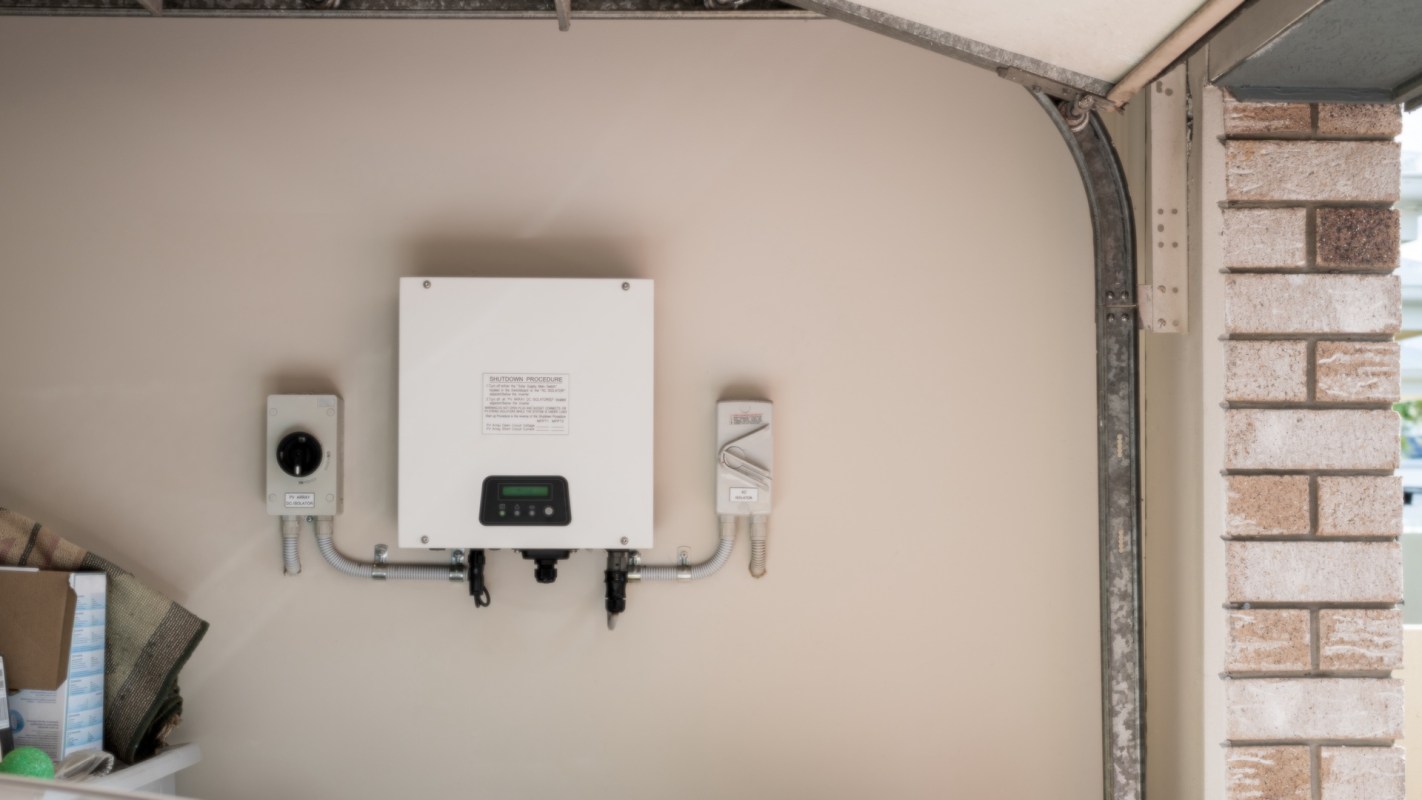
A homeowner weighing a modest 5-kilowatt-hour battery for a single-family home raised a question many solar-curious households eventually face: Where can you put it without creating a new safety headache?
Here's what to know
Fire risk was central to the question posed in a thread on Reddit's r/solarenergy forum. The homeowner said they already charge EVs and e-bikes outside instead of in the garage for that reason, then asked: "Can the battery be placed in a fireproof box outside the house next to the panel? Should it be placed a certain distance away from the house?"
The replies largely steered the discussion toward whatever rules the local jurisdiction has adopted. One commenter wrote, "The requirements for an energy storage system located in a habitable dwelling are going to come down to the building code that's been adopted in your jurisdiction." Examples they raised included minimum airspace, certain wall materials, and in some cases interconnected heat detection.
Practical layout limits came up too. Commenters said batteries may need to stay within about 30 feet of the inverter and that a rapid shutdown switch near the panel can be important for firefighter access. Another pointed readers to NFPA 855, while stressing that manufacturer instructions and the local authority having jurisdiction still govern the final installation.
More background
Home batteries can offer meaningful day-to-day benefits. They can keep essentials such as refrigeration, lights, Wi-Fi, and medical devices running during blackouts. They can also help lower utility bills by storing solar power or cheaper off-peak electricity for use when rates are higher, while helping households avoid outage-related losses such as spoiled food.
If you're curious about what that could look like at home, you can explore EnergySage for information on battery storage options and competitive installation estimates. EnergySage has also teamed up with the electrification brand Qmerit to guarantee you get the best price on home battery storage solutions. Another option is Pila, whose plug-and-play batteries cost a fraction of a whole-home backup system.
A 5-kilowatt-hour system may sound small, but that doesn't necessarily exempt it from placement rules involving room dimensions, wall construction, protection from vehicle paths, or conditions for mounting it outdoors.
The homeowner also floated a more specific idea: mounting an exterior-rated battery to a sealed chimney to gain extra separation from the house and use the brick as a buffer.
Save $10,000 on solar panels without even sharing your phone number Want to go solar but not sure who to trust? EnergySage has your back with free and transparent quotes from fully vetted providers in your area. To get started, just answer a few questions about your home — no phone number required. Within a day or two, EnergySage will email you the best options for your needs, and their expert advisers can help you compare quotes and pick a winner. Solar panels can save you more than $50k over their 25-year lifespan, and EnergySage can help you save as much as $10k on installation. Which begs the question — isn't that worth an email or two? |

What can be done?
For homeowners considering battery storage, the first step is to check with the city or county building department and review the battery maker's installation manual. Those two sources will generally provide more useful guidance than internet guesswork about fire ratings, detector requirements, and whether outdoor installation is allowed.
It can also help to bring in a qualified installer early in the process. They can determine whether inverter distance, vehicle paths, and panel access make a preferred location realistic before you spend money on prep work.
Where can I learn more?
These articles add useful context for homeowners looking into battery storage. They cover financing options, battery prices, and potential solar-bill savings — the kinds of factors that often shape the decision before an installer starts measuring clearances or checking local code.
• SunPower and Palmetto are making home backup batteries without upfront costs more attainable for many households.
• Cheaper home batteries can cut utility bills, bank solar power, and pay back within five years.
• Prospective solar buyers still ask if panels can lower your electric bills enough to justify installation.

Get TCD's free newsletters for easy tips, smart advice, and a chance to earn $5,000 toward home upgrades. To see more stories like this one, change your Google preferences here.






