


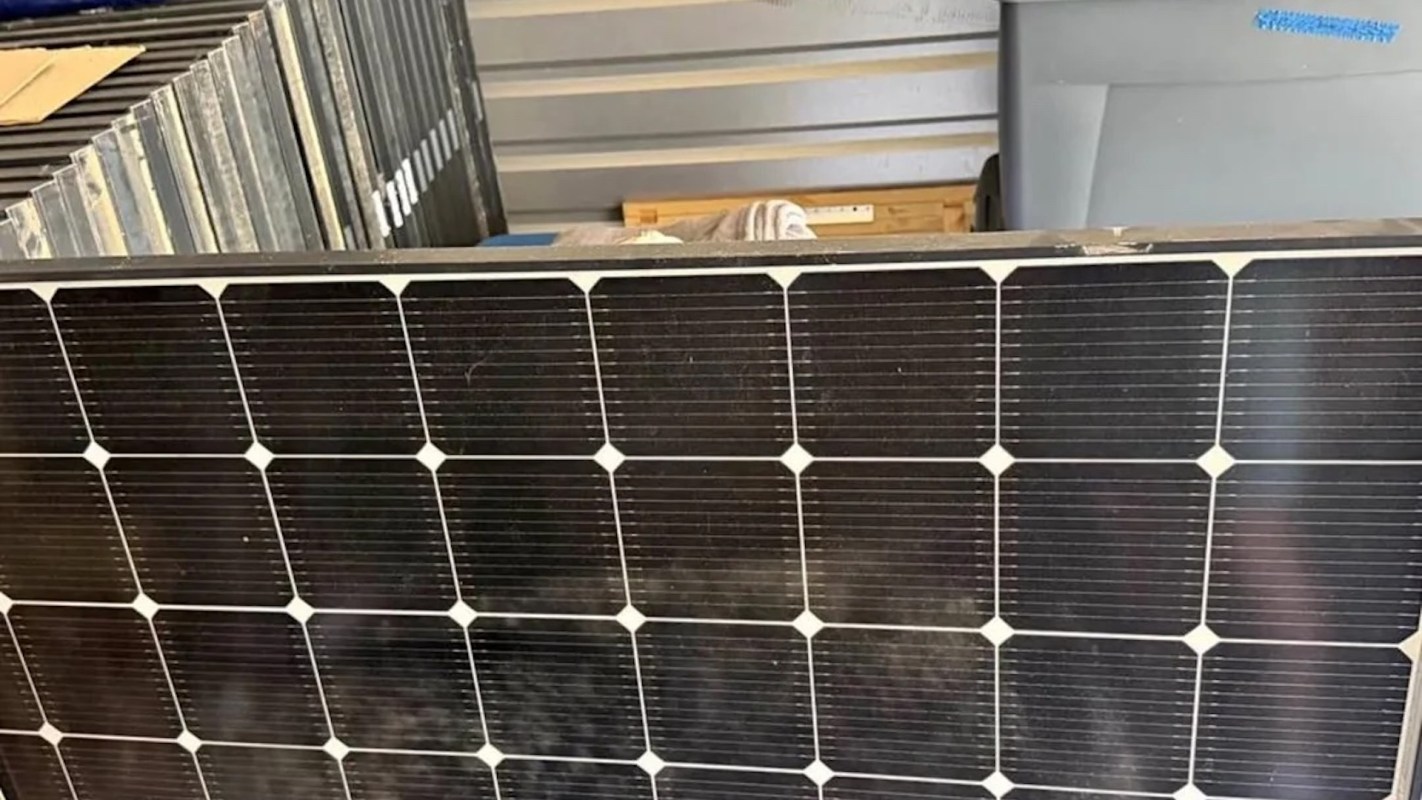
Buying used solar equipment can look like a shortcut to lower electric bills, but commenters in a Reddit solar community warned that one secondhand solar listing appeared way overpriced.
Here's what to know
An original poster in r/SolarDIY asked for a gut check on a secondhand listing, writing, "I have no other information to offer. I am just beginning to do the math to figure out my set-up, per the wiki."
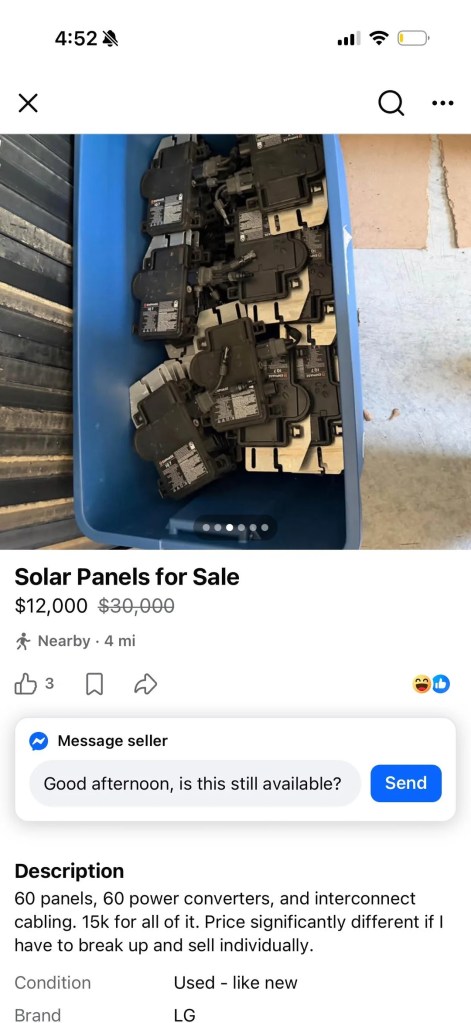
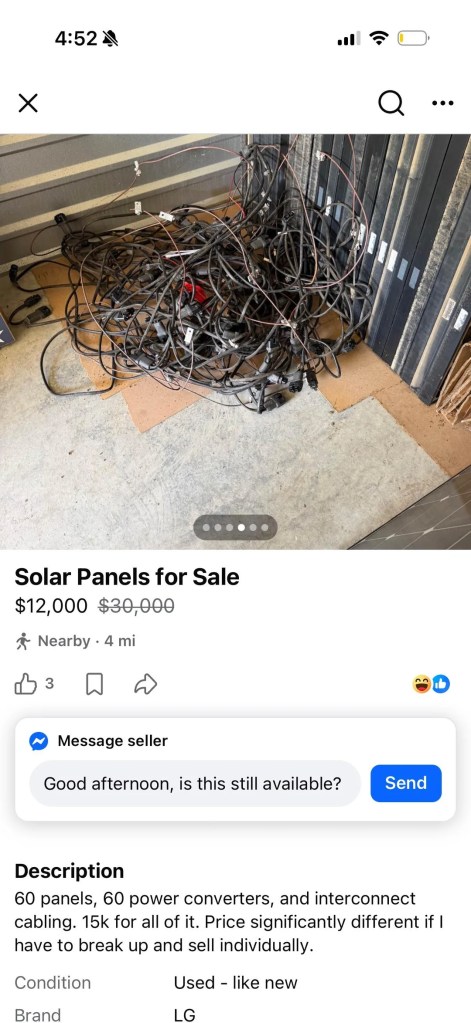
The main takeaway from the replies was that the listing looked significantly overpriced for used solar gear. Several commenters valued the equipment much lower, estimating the used IQ7 microinverters at about $50 each and the panels at about $40 each. They also said the system appeared to be incomplete, since the buyer would still need a combiner and might need an Envoy.
A separate commenter said the promised peak capacity looked unrealistic because the inverters max out at 250 watts each, writing that "the theoretical 15kw at peak output will likely not happen except summer days in ideal conditions." They also said the panels appeared to be at least six years old and that solar output usually declines over time.
Going solar is one of the best ways to save money on home energy, but only if the numbers actually work. Homeowners who want to avoid overpaying can explore EnergySage to get free solar installation estimates and compare quotes.
To show how little room there might be for savings, one commenter compared the listing with current retail prices. Using numbers shared in the thread, they estimated that 62 new 440-watt panels from Signature Solar could cost about $8,100 before freight, and that adding an EG4 FlexBoss18/GridBoss combo would bring the all-new total to roughly $13,200 — less than the used listing's reported asking price.
More background
Hardware prices have fallen quickly in the solar market, especially for panels and batteries, which means older systems can lose value much faster than sellers expect. The real benchmark isn't what equipment cost years ago—it is what comparable gear costs today.
Used solar parts can still make sense, especially for experienced DIYers, but buyers need details like model numbers, age, wattage, warranty status, and any extra equipment required. One commenter mentioned, "The ad also does not mention the solar panel wattage, which is a huge omission."
Save $10,000 on solar panels without even sharing your phone number Want to go solar but not sure who to trust? EnergySage has your back with free and transparent quotes from fully vetted providers that can help you save as much as $10k on installation. To get started, just answer a few questions about your home — no phone number required. Within a day or two, EnergySage will email you the best local options for your needs, and their expert advisers can help you compare quotes and pick a winner. |

Adding battery storage to a solar setup is one of the best ways to protect your home during outages, save on energy costs, and go off-grid. Homeowners considering that route can explore EnergySage for information about home battery storage options, including competitive installation estimates.
What can be done?
For anyone considering secondhand gear, the safest move is to compare the used system's cost per watt with new options, then factor in hidden expenses such as racking, wiring, monitoring equipment, shipping, and installation help.
If warranties are short or nontransferable, the bargain can disappear quickly.
Homeowners can also use EnergySage's solar map to see the average cost of a home solar panel system on a state-by-state level, along with details on solar panel incentives for each state. Together, these resources can help readers get the best price for rooftop solar panels and access available incentives.
More From EnergySage
💡Go deep on the latest news and trends shaping the residential solar landscape

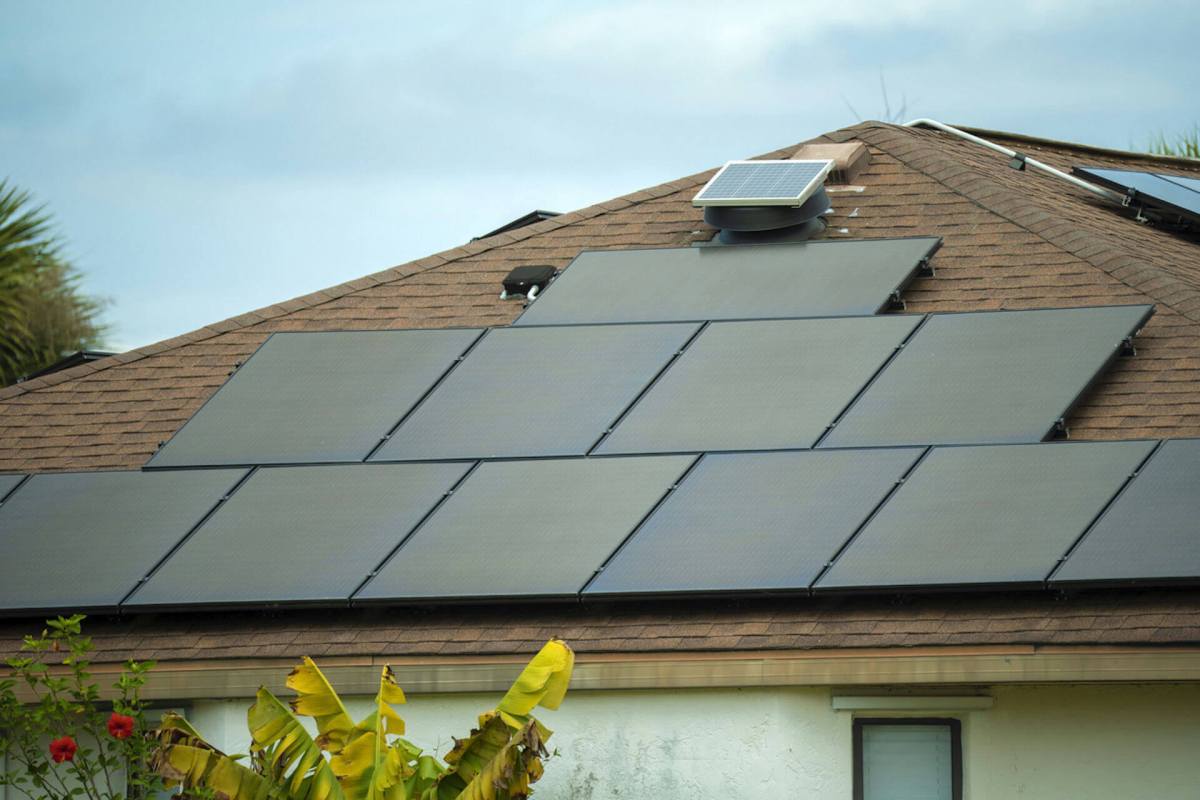

With EnergySage's help, the average person can save up to $10,000 on solar purchases and installations. Because the service is free to use, shoppers can compare quotes, check local pricing, and better spot when a listing isn't actually a money-saver.
Adding battery storage to your solar setup is a fantastic way to save money on energy bills and protect your home during outages. Homeowners can explore EnergySage's free tools for information about home battery storage options, including competitive installation estimates.
One commenter wrote, "Basically the ad is missing key data, and I bet the seller is trying to recoup prices from years ago that don't match the cheaper reality now."

Get TCD's free newsletters for easy tips, smart advice, and a chance to earn $5,000 toward home upgrades. To see more stories like this one, change your Google preferences here.






