


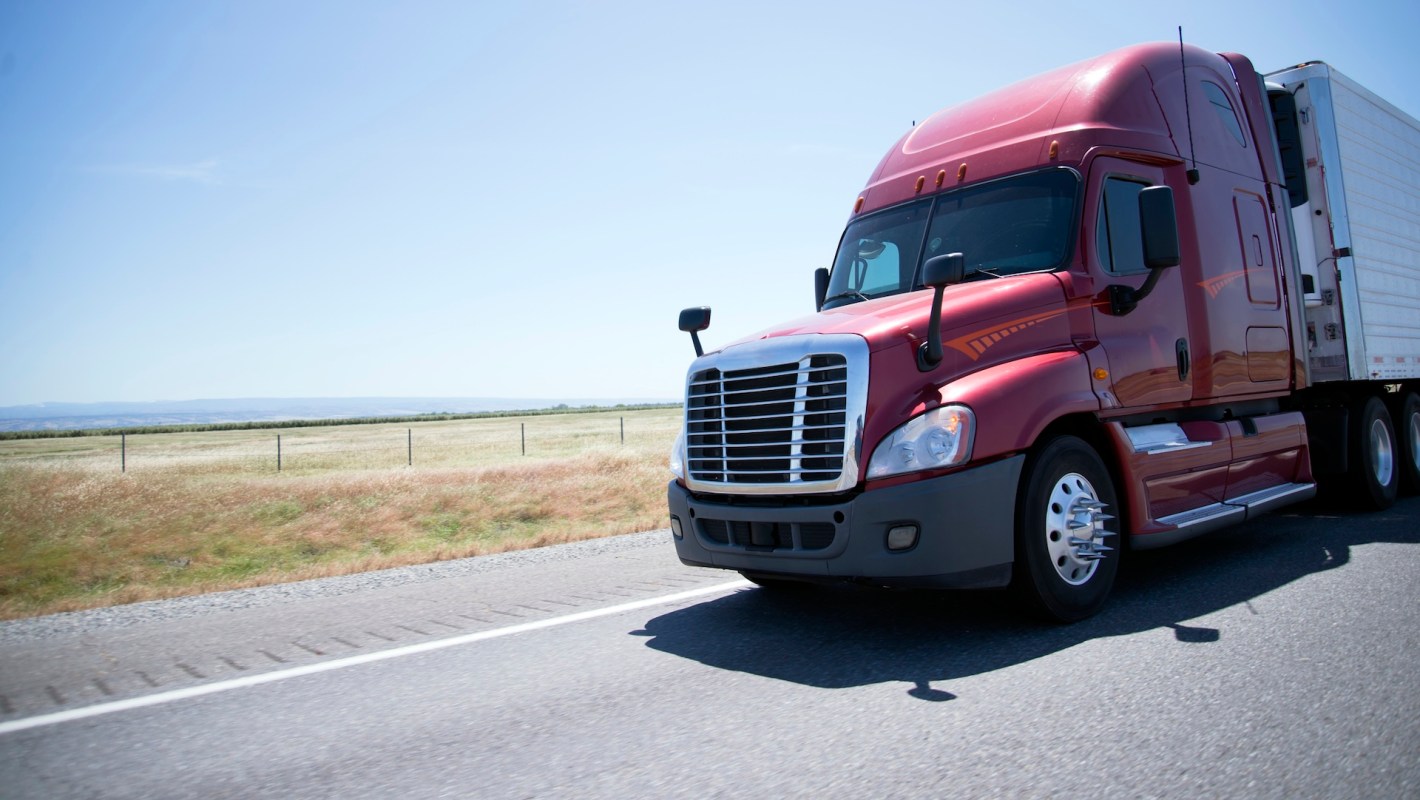
Leaders from three countries and three U.S. states have agreed on a plan to build heavy-truck charging and hydrogen fueling along Interstate 5 from Canada to Mexico.
The goal is to cut diesel pollution in communities along one of North America's busiest freight routes.
Here's what to know
Officials are calling the initiative the British Columbia to Baja California Zero Emissions Vehicle corridor, or BC2BC.
The plan was introduced at the Port of Long Beach and covers linked charging and hydrogen stations for trucks across the 1,381-mile I-5 corridor.
By 2030, the participating governments want shared technical standards in place so a truck charging in Sacramento can use compatible equipment in Tijuana or Vancouver as well. About 10,000 trucks use the highway each day, making it one of the nation's busiest freight routes, according to the Long Beach Post.
The agreement includes 20 electric truck charging locations and three hydrogen-fueling hubs, with money expected from public infrastructure grants, port container fees, and nonprofit support.
TCD Picks » Quince Spotlight
💡These best-sellers from Quince deliver affordable, sustainable luxury for all




More background
The pollution stakes are especially high in California.
According to the California Air Resources Board, heavy-duty trucks make up about 6% of vehicles on the state's roads but produce roughly 35% of vehicle nitrogen oxide emissions and around one-quarter of transportation-related air pollution.
Portions of Interstate 5 run through metro areas, suburban stretches, and urban cores, linking major California cities such as San Diego, Santa Ana, and Los Angeles. The health impacts of diesel trucking are not limited to warehouses or industrial zones.
While discussing the Port of Long Beach's expanding electric truck infrastructure, Port of Long Beach chief executive Noel Hacegaba said truck exhaust has long burdened communities near ports, rail yards, and freeway corridors.
Long Beach Mayor Rex Richardson also explained why the city is involved even though I-5 does not run directly through it: "We have a role to play and we want to make sure we are committed to the success of this green corridor."
What's being done?
UC Davis researchers are playing a role in deciding where the stations should be built.
Planners will use UC Davis studies of existing charging locations on state highways to help choose the new sites.
Alissa Kendall, director of the Institute of Transportation Studies at UC Davis, said the corridor's use in the real world will be important for improving the system, especially "given the constant pressure to show that public investments in these stations and technologies are sound." A 2024 analysis from UC Davis' Electric Vehicle Research Center also warned that truckers worry about arriving at a station only to find broken charging cords that leave them stranded.
Port of Long Beach chief executive Noel Hacegaba said the port has 102 charging stations for electric trucks in place and hopes to add 92 more. The port has also launched separate green freight efforts with the Wonderful Company and with Shanghai.
California Transportation Secretary Toks Omishakin said the corridor was a starting point rather than a finished system: "Today marks the beginning of something extraordinary: a tri-national, five-state partnership to deploy charging infrastructure along Interstate 5."
Where can I learn more?
Similar work is underway elsewhere, with states, cities, and private companies trying different ways to clean up freight and expand charging access. A few examples:
• Across several states, officials are using highway funding for truck chargers to clean up fleets.
• In Croton-on-Hudson, leaders adopted a renewable diesel pilot to curb municipal truck emissions.
• In Santa Ana, Rove opened a new EV charging center built as a community stop.
The I-5 corridor fits into that broader push to move transportation away from diesel, and these examples show the pieces behind it: public funding, local planning, and the infrastructure trucks need to recharge or refuel.

Get TCD's free newsletters for easy tips, smart advice, and a chance to earn $5,000 toward home upgrades. To see more stories like this one, change your Google preferences here.






