


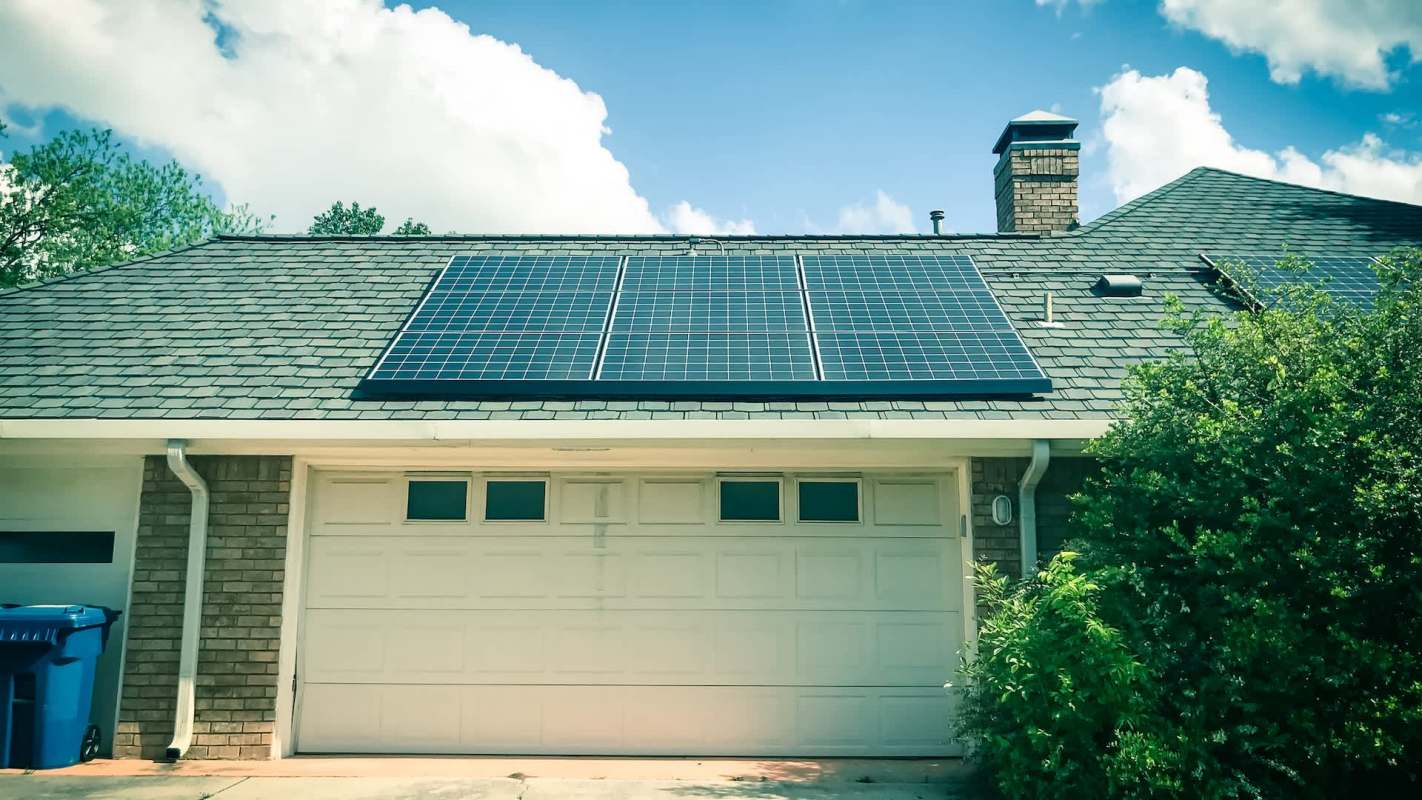
A U.K. homeowner with rooftop solar and a battery discovered that once EDF began paying for electricity exported to the grid, using daytime solar to charge the battery was no longer automatically the most profitable option.
With the right tariff mix, posters on the r/SolarUK subreddit suggested otherwise.
Here's what to know
In a Reddit thread, the original poster floated the idea. They asked if they were right "thinking that I should be charging my battery overnight on the 7p rate and then selling it back to the grid at 15p?"
That was rather than using daytime solar to fill the battery for "free."
The replies were mostly supportive of the idea. In darker parts of the year, when panels may take longer to top up a battery, the approach can look especially attractive.
As one commenter wrote: "Absolutely! I export all solar apart from what the house uses whilst the sun's shining."
If a household can import electricity at 7p and export it at 15p, each kilowatt-hour shifted that way represents roughly 8p in gross margin before battery losses.
The battery thus could be used for simple arbitrage. Homeowners can charge on cheap overnight electricity, leave solar generation available for export, and benefit from the spread between import and export prices.
Save $10,000 on solar panels without even sharing your phone number Want to go solar but not sure who to trust? EnergySage has your back with free and transparent quotes from fully vetted providers that can help you save as much as $10k on installation. To get started, just answer a few questions about your home — no phone number required. Within a day or two, EnergySage will email you the best local options for your needs, and their expert advisers can help you compare quotes and pick a winner. |

Going solar is one of the best ways to save money on home energy, especially when it's paired with smart tariff strategies like this one. If you're exploring rooftop solar, you can use EnergySage to get free installation estimates and compare quotes.
More background
Price relationships can change how people think about home batteries. Instead of treating them only as a way to hold onto midday solar for evening use, some households may get better results by using them to exploit a gap between cheap off-peak imports and higher export payments.
That does not mean the strategy works under all conditions. A narrow spread can wipe out the benefit once battery charging and discharging losses are factored in, and one commenter said it may stop being worthwhile at around 2p.
Another warned that draining the battery too early could leave a household buying electricity at peak rates before the next low-cost window starts.
More From EnergySage
💡Go deep on the latest news and trends shaping the residential solar landscape


What can be done?
For households with solar, batteries, and time-of-use tariffs, the best move may depend on how all the pieces interact. Rather than defaulting to using solar first and storing the rest, some homes may save more by charging when rates are lowest, holding enough battery capacity for expensive periods, and exporting when payouts are higher.
For U.S. readers weighing a solar purchase, EnergySage's free tools can help cut costs before installation even begins. With EnergySage's help, the average person can save up to $10,000 on solar purchases and installations.
You can also check EnergySage's solar map, which shows the average cost of a home solar panel system on a state-by-state level, along with details on solar incentives in each state. Together, those resources can help readers get the best price for rooftop solar panels and access available incentives.
Adding battery storage to a solar setup is one of the best ways to protect your home during outages, save money on energy, and go off-grid. If you're comparing backup options, explore EnergySage for information about home battery storage choices, including competitive installation estimates.
Where can I learn more?
Battery strategy is only one piece of the rooftop-solar equation. Other factors can shape the payoff, from utility billing and installation costs to community programs and incentives.
• A solar homeowner blasted a utility over ridiculous power bill charges despite homegrown electricity.
• In North Lincolnshire, a free solar panel scheme hit a milestone and cut locals' bills.
• EnergySage's COO unpacked interconnected solar cost factors that can sway homeowners' installation math.
The common thread is that solar savings rarely come from panels alone. Tariffs, utility policies, hardware choices, and incentives all affect whether exporting, storing, or installing delivers the best return.

Get TCD's free newsletters for easy tips, smart advice, and a chance to earn $5,000 toward home upgrades. To see more stories like this one, change your Google preferences here.






