


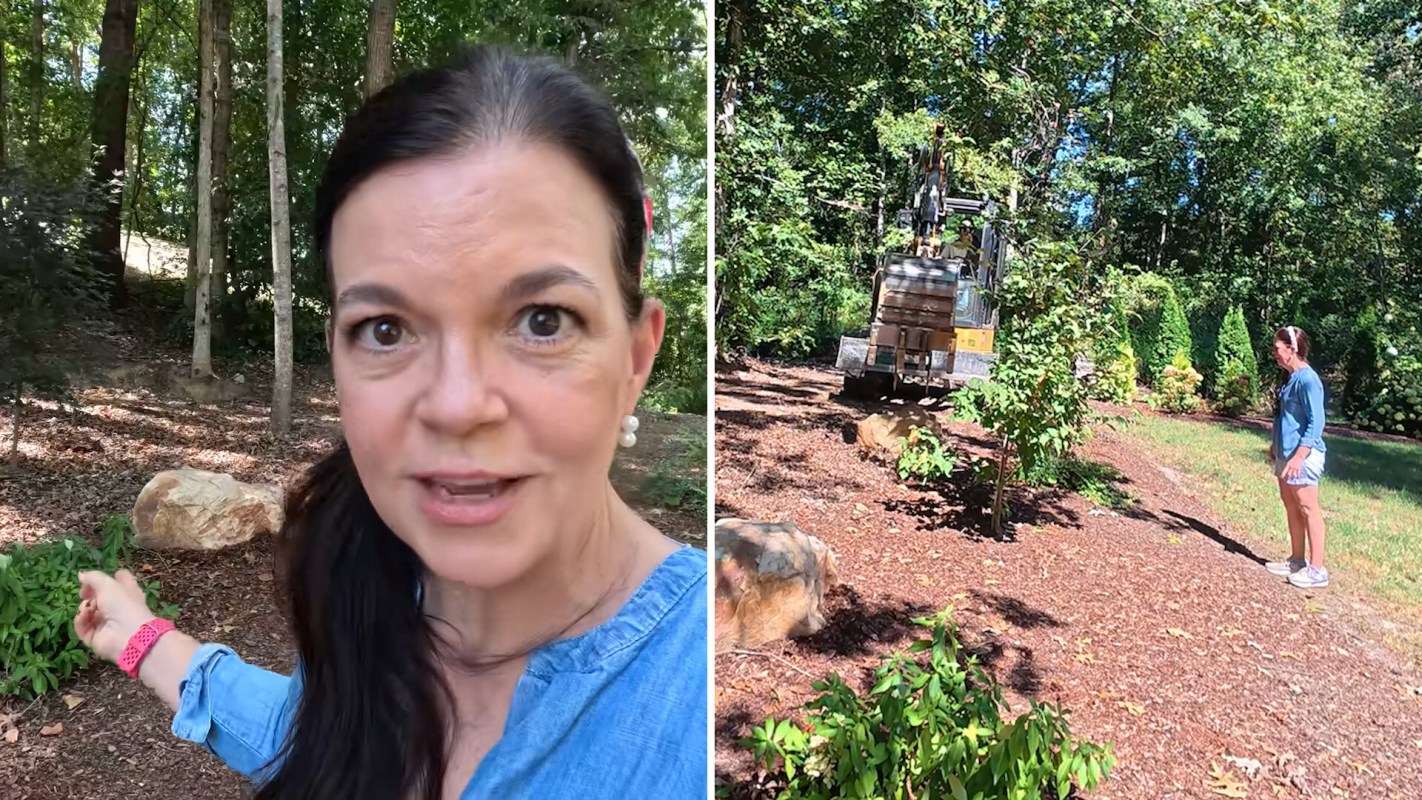
A gardener in North Carolina is showing viewers that a dramatic landscape update can start with materials already on the property, not necessarily with a trip to the garden center.
Here's what to know
A YouTube video by Gardening with Creekside (@GardeningwithCreekside) showed how the nursery owners reshaped a woodland garden behind the pond at Creekside Nursery in Dallas, North Carolina, using old oak sections and unearthed rocks without planting a single new plant.
Rather than centering the project on new planting, the video framed the Woodland Hill Garden refresh around "adding the bones, layers and textures that make a garden feel established and like it truly belongs in its surroundings." The creator described the makeover as a "BIG glow-up."
The creator also brought back two rocks that had been set aside when the site was first cleared. Along with them came two large sections from an oak tree that had been removed during construction of a new potting building.
For planning purposes, plants including "Christmas ferns, Aspidistra, Epimedium, Carex, Tiarella and a Haas Halo® smooth hydrangea" were arranged in place but deliberately left unplanted. Meanwhile, the reclaimed materials were positioned to give the landscape both vertical and horizontal structure.
Instead of following the season on the calendar, the creator based that decision on current weather conditions. Although September is often seen as an ideal planting time in North Carolina, renewed 90-degree heat, very dry conditions, and the lack of irrigation made planting a poor choice.
TCD Picks » Quince Spotlight
💡These best-sellers from Quince deliver affordable, sustainable luxury for all




More background
Before anything new goes into the soil, natural elements that function like hardscaping — such as stumps, rocks, and logs — can influence both how a space looks and how it works.
The creator emphasized that actual site conditions should matter more than the calendar alone.
What can be done?
Leaving plants in temporary positions can help gardeners evaluate spacing, combinations, and sightlines from different angles before making anything permanent.
Items around the yard may be worth reusing. Existing native plants, fountains, birdhouses, old pottery, salvaged stone, and fallen wood can all add structure and character without requiring major new purchases.
Waiting for better weather can be just as important as choosing the right plants.
As the creator put it in the caption, "Garden according to your conditions — not according to the calendar." They ended with: "Take your time. Let the garden evolve. That's part of the fun."
Where can I learn more?
These stories point to the same lesson as the Creekside makeover: a landscape often comes together best when gardeners work with what the site already has. They also show how rough terrain, neglected spaces, and plant choices can shape a yard before anything goes into the ground for good.
• On an Irish peninsula, a once-barren landscape was revived through rewilding instead of tree planting.
• One homeowner's rock-bed planting attempt showed how site conditions can overwhelm good intentions.
• In Portugal, an overgrown abandoned garden became a daunting but potentially rewarding restoration.
Across them all, patience, reuse, and careful observation keep coming up. For gardeners figuring out what to keep, move, or put off, that approach can change a project's direction.

Get TCD's free newsletters for easy tips, smart advice, and a chance to earn $5,000 toward home upgrades. To see more stories like this one, change your Google preferences here.






