


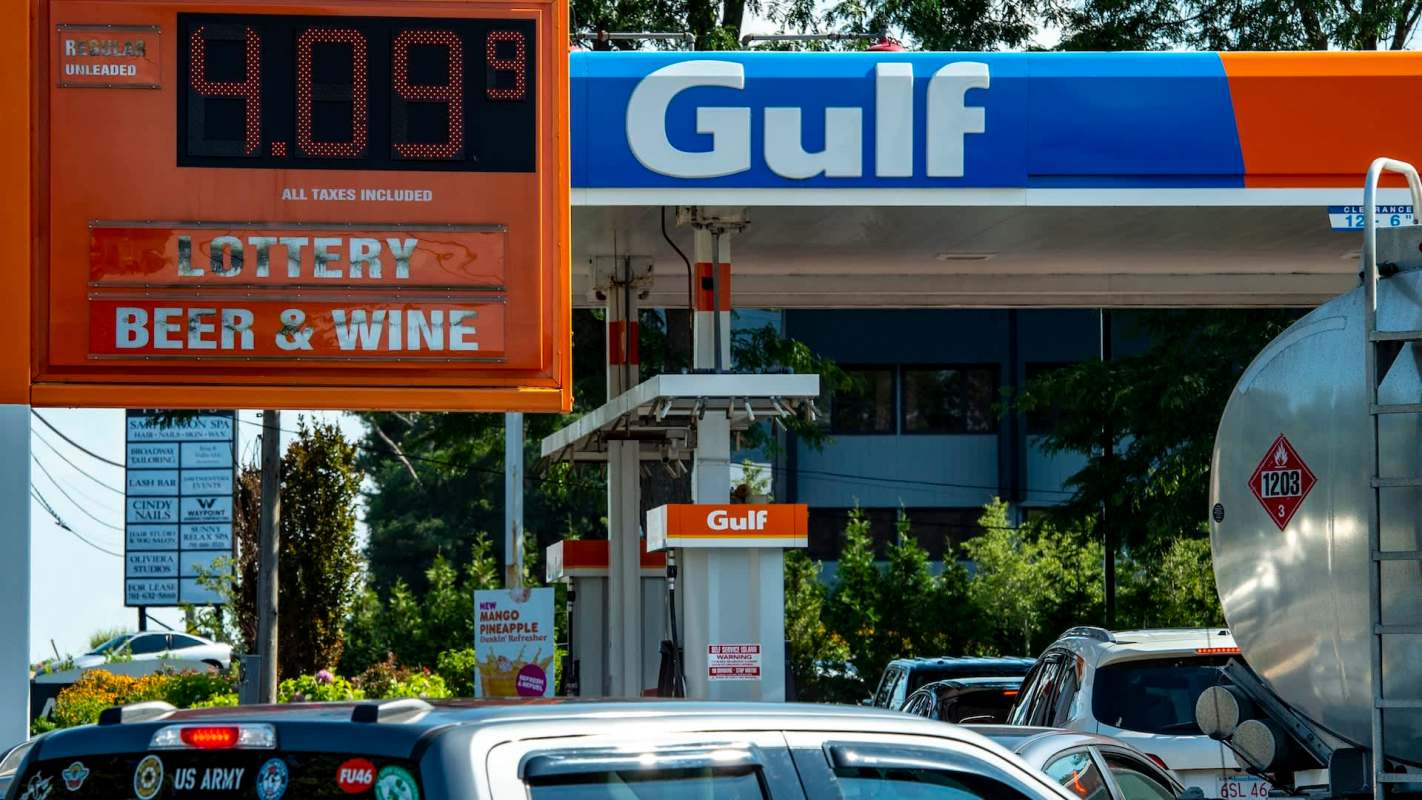
No month has been pricier for American drivers than August, when the national average for regular gasoline never fell below $4.
That burden was even heavier in Massachusetts, where average prices ran above the national figure and added to already high household energy costs, New Bedford Guide reported.
Here's what to know
Compared with the $3.13 to $3.21 national average during the same period in 2025, this year's price was 27% to 30% higher, with AAA reporting regular unleaded was $4.09 for much of August.
The old August record from 2022 was surpassed once the monthly average moved just above $4.06.
In Massachusetts, the statewide average was $4.12 and reached $4.14 by Sept. 1, which was over $1 above the $3.07 average from 2025.
Some parts of the state had even steeper prices.
The Barnstable-Yarmouth area, which includes Cape Cod, averaged $4.18 to $4.20, while stations in the Boston area were around $4.13. Springfield was among the relatively less expensive areas, at about $3.99.
For homeowners looking to save money, going solar is one of the best ways to do so on home energy. EnergySage provides free solar installation estimates and can get you competitive quotes.
Save $10,000 on solar panels without even sharing your phone number Want to go solar but not sure who to trust? EnergySage has your back with free and transparent quotes from fully vetted providers that can help you save as much as $10k on installation. To get started, just answer a few questions about your home — no phone number required. Within a day or two, EnergySage will email you the best local options for your needs, and their expert advisers can help you compare quotes and pick a winner. |

More background
Crude oil was a major driver of the spike, staying in the $80-per-barrel range.
West Texas Intermediate settled near $82.23, while continued disruption in the Strait of Hormuz tied to the U.S. war in Iran kept global supplies tight after the war began in late February.
Pressures at home added to the squeeze.
Energy Information Administration figures showed gasoline demand rising over one week from 8.7 million barrels per day to 9 million, while the domestic gasoline supply dropped from 209.4 million barrels to 206.8 million.
More From EnergySage
💡Go deep on the latest news and trends shaping the residential solar landscape


Diesel prices were even higher, landing between $5.50 and $5.65 nationally.
What can be done?
For drivers of gas vehicles, the options are limited, but combining trips, using public transit, keeping tires properly inflated, and choosing a fuel-efficient vehicle can ease some of the burden.
Cutting reliance on gasoline altogether offers more meaningful protection from swings in the oil market.
A useful starting point is EnergySage's solar map, which shows the average cost of a home solar panel system by state along with details on solar panel incentives in each state. Together, those tools can help you get the best price for rooftop solar panels, access available incentives, and lower monthly energy bills.
Adding battery storage to a solar setup is also one of the best ways to protect your home during outages, save money on energy, and go off-grid. EnergySage has a wealth of information about home battery storage options, including competitive installation estimates.
EnergySage's free services can be especially valuable for homeowners trying to cut monthly costs while energy prices remain unpredictable.
With EnergySage's help, the average person can save up to $10,000 on a solar purchase and installation.
Comparing quotes in one place makes it easy to find a low-cost option, and you don't have to do all the legwork.
Where can I learn more?
High pump prices remind us how expensive fossil-fuel dependence can be, both on the road and at home.
The articles below look at that same strain from a few angles, from efforts to get high-mileage drivers into EVs to battles over new gas infrastructure in Massachusetts and the hidden costs of gas equipment.
• Across the U.S., states are targeting high-mileage drivers for EV adoption.
• In Massachusetts, utilities poured $100 million into gas lines even after fossil-fuel bans.
• Even yard maintenance adds up, as gas lawn equipment pollution rivals thousands of driving miles.
The takeaway is clear: Using less fossil fuel can lower costs and reduce risk.

Get TCD's free newsletters for easy tips, smart advice, and a chance to earn $5,000 toward home upgrades. To see more stories like this one, change your Google preferences here.






