


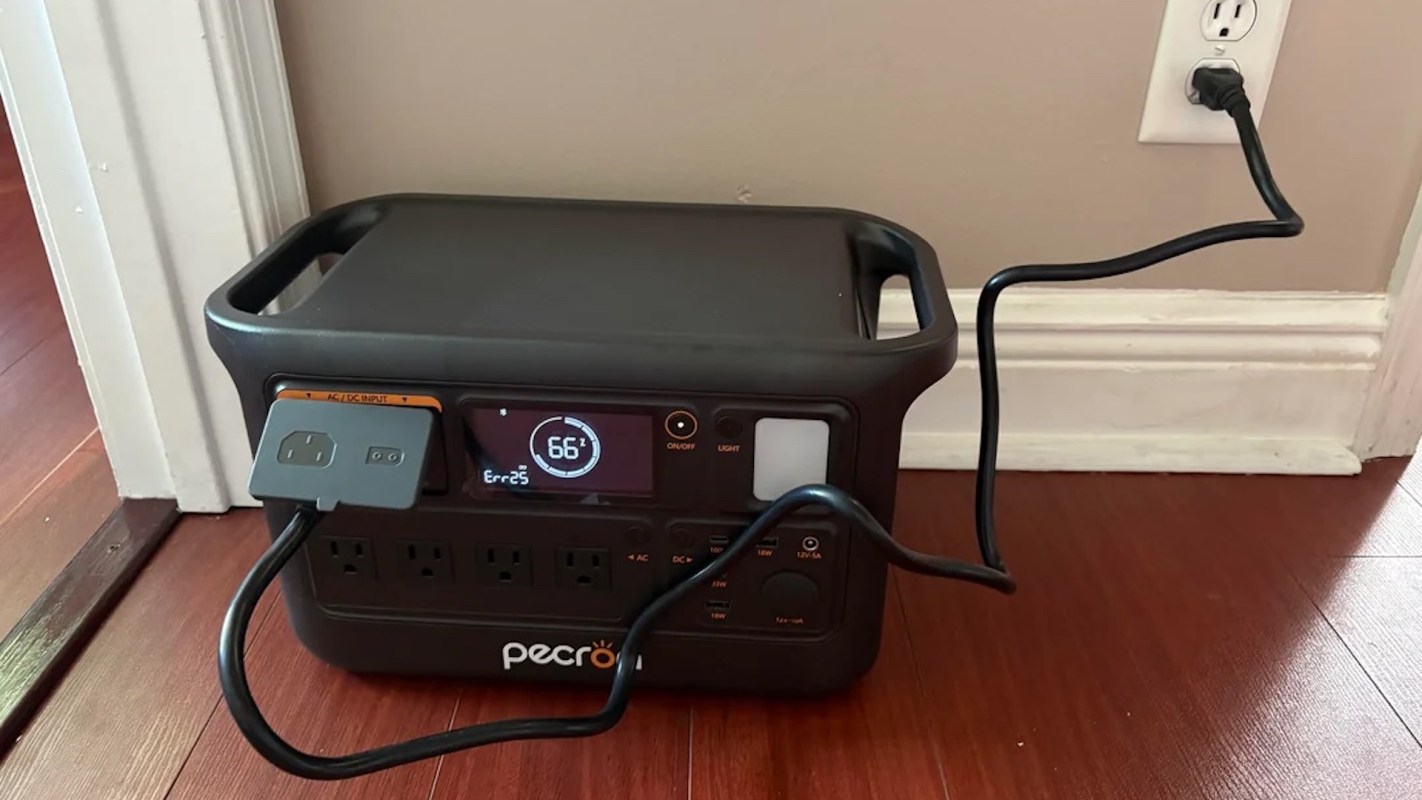
After a Florida owner received a replacement for a brand-new Pecron F1000LFP portable power station that arrived showing "Error 25," the owner said support delivered another disappointment: standalone internal parts for the broken unit were no longer available.
Here's what to know
The search described in a Reddit thread began after the poster said Pecron would not sell a replacement inverter board for the defective unit. According to the post, support said separate internal components for that model were no longer being stocked, so the owner started looking for a dead or "bricked" F1000LFP that could be used as a donor.
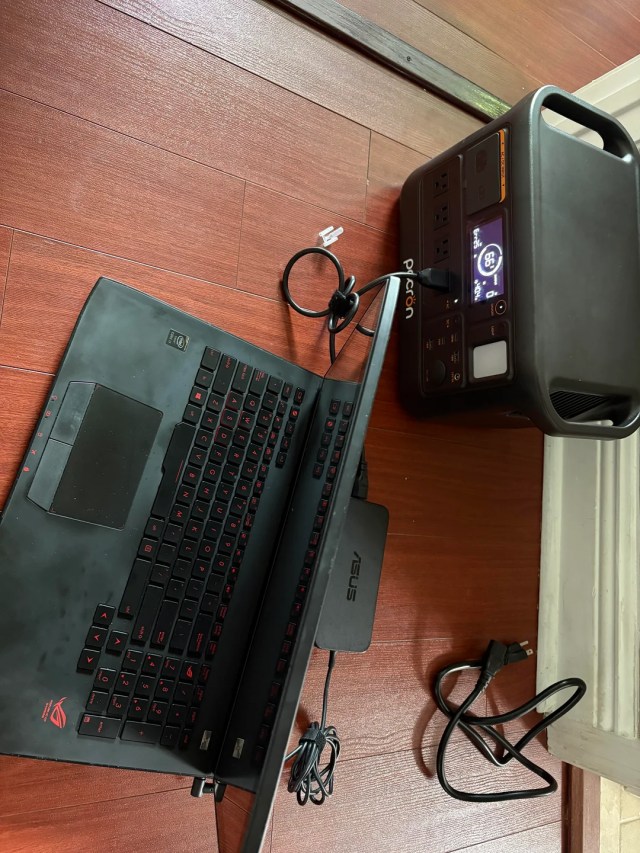
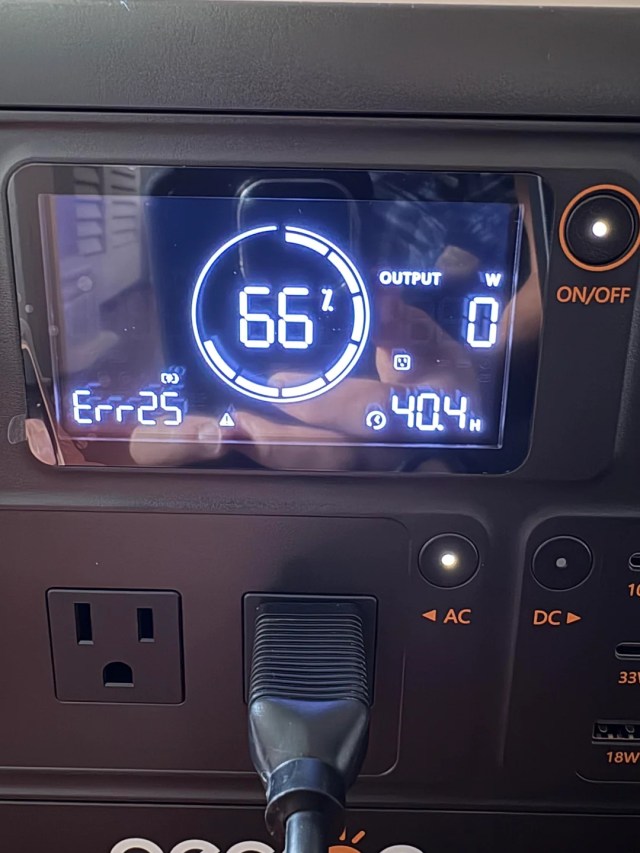
Rather than throw away a unit with other components that might still be useful, the owner asked whether anyone had a nonworking F1000LFP available, writing, "Since I hate to see a brand new battery pack and housing go to waste, I'm wondering if anyone has a bricked, dead, or, old F1000LFP sitting around that they'd be willing to sell or part out."
Later in the discussion, the original poster said, "Fortunately, I did get my unit replaced, but they told me to keep the broken unit so I have a working unit and a broken unit. It would be pretty nice to get this broken unit working again or at least salvage it for parts."
That detail also caught the attention of another commenter, who wrote, "That's one of the newest models in the range, released earlier this year!"
More background
Portable power stations are often major purchases for home backup, road trips, work sites, and emergencies. When a manufacturer no longer offers internal boards, a device with a potentially usable battery, housing, and other components can end up headed toward e-waste instead of repair.
TCD Picks » Quince Spotlight
💡These best-sellers from Quince deliver affordable, sustainable luxury for all




A repair using a donor board or salvaged parts could help a buyer avoid sourcing a whole second unit, paying for hazardous-material shipping, or buying extra accessories just to reuse the battery pack.
The thread also showed why salvage may not be simple. Although one commenter said, "The 48v battery inside is worth something," the original poster replied, "I believe it's 64v which is a bit of a problem," suggesting added technical difficulty and possible expense.
Return shipping costs may have influenced why the owner was allowed to keep the broken unit. The poster wrote that sending it "back across the country back to california" is "really expensive because it's hazardous material."
What can be done?
Questions about repairability include whether the company sells boards, batteries, or other service parts, whether warranty claims require the unit to be returned, and whether authorized repair options are available after purchase.
A matching donor unit or approved components salvaged from a defective one may offer a workaround. That can help extend the value of a replacement and reduce waste, but only if the parts are compatible and the repair cost remains lower than the value recovered.
Opening a high-voltage battery device can create safety risks, and using converters or separate chargers may add both cost and complexity.
As the original poster put it, "it would be pretty nice to get this broken unit working again or at least salvage it for parts."
Where can I learn more?
These stories are about HVAC systems and household appliances, not portable power stations, but they get at the same repair-or-replace questions behind the Pecron owner's hunt for parts. They also highlight how cost, upkeep, and replacement availability can decide whether usable equipment stays in service or gets tossed.
• One homeowner got a $13,000 HVAC replacement at no cost after tapping available incentives.
• A DIY homeowner replaced his ancient HVAC himself and said the job saved $7,000.
• A property owner found that a simple cold-cycle habit can help washing appliances last longer.
For anyone deciding whether a broken device is worth fixing or salvaging, the real issues are usually practical ones: Can you get the parts? What will a replacement cost? Has regular maintenance helped extend its life? Those are the same questions hanging over the Pecron owner's effort to keep a nearly new unit out of the trash.

Get TCD's free newsletters for easy tips, smart advice, and a chance to earn $5,000 toward home upgrades. To see more stories like this one, change your Google preferences here.






