


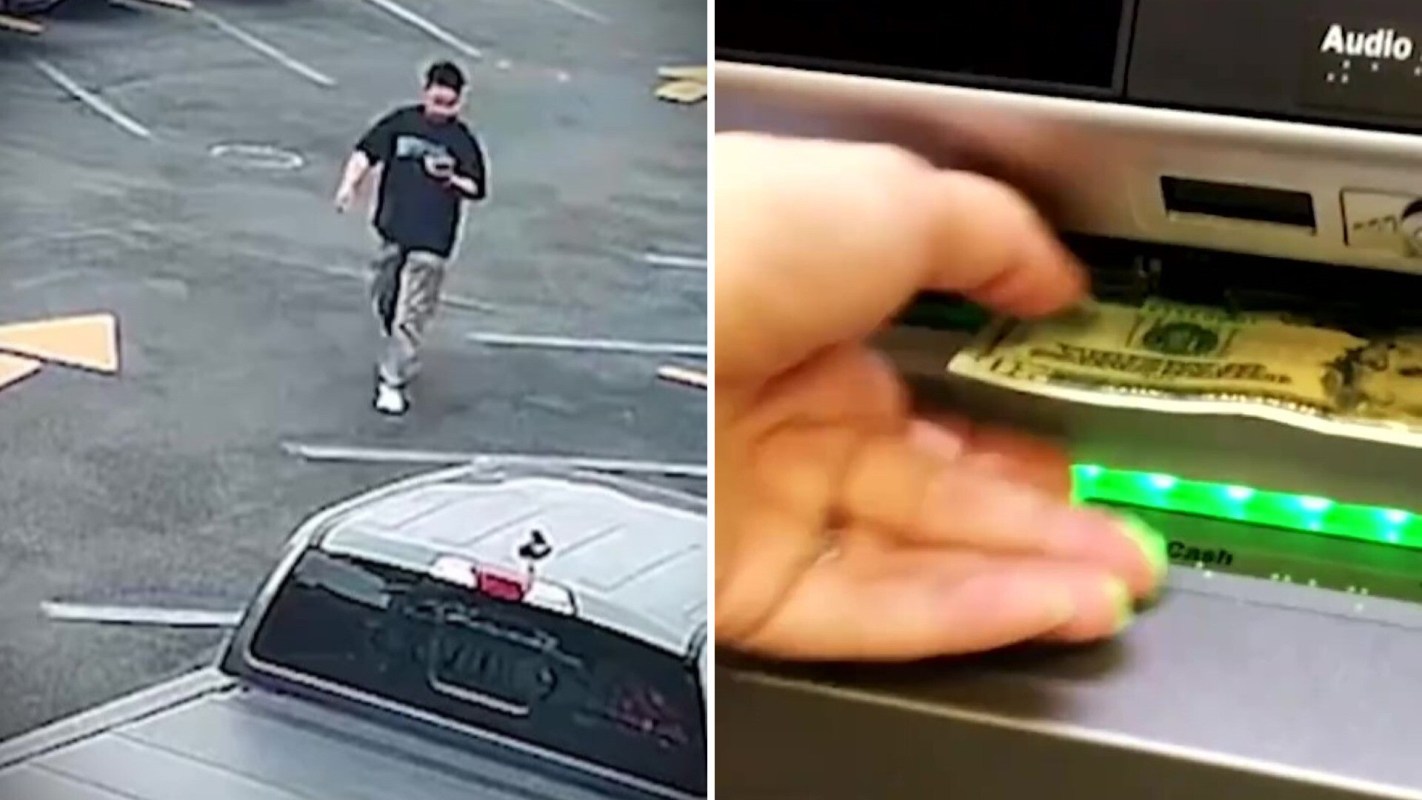
A warning text about supposed account trouble ultimately led a 76-year-old New York woman to hand cash to a stranger on a street corner.
After the scam was carried out twice, she was out $60,000 and looking to the police for answers.
Here's what to know
As ABC7 New York (@abc7ny) reported in a TikTok video, the text claimed there was suspicious activity tied to her Apple Pay account and falsely said an extra $30,000 had been added.
@abc7ny Police said the scam started when the woman received a text message claiming there had been account activity and that an extra $30,000 had been deposited into her account. The message instructed her to call a phone number. According to investigators, the person she reached claimed to be from a bank and told her to withdraw $30,000 and bring it to a street corner in Williston Park.
♬ original sound - ABC7NY
When she called the number included in the message, she allegedly reached someone posing as a bank employee. Police said that the caller instructed her to withdraw $30,000 and bring it to a street corner in Williston Park.
After she complied, the scammers allegedly repeated the scheme and took another $30,000, bringing her total loss to $60,000.
"Since they were successful, that success breeds confidence," an official told ABC7. "They came back and they did it again."
TCD Picks » Quince Spotlight
💡These best-sellers from Quince deliver affordable, sustainable luxury for all




The investigation is ongoing, Nassau County police said, and detectives are trying to identify a man shown on video picking up the cash. Officers said the fraudsters seemed to grow bolder once the first handoff worked.
Commenters were outraged at the crime.
"Sickening," one wrote. "I hate these people."
Some also wondered why the bank couldn't have prevented the transactions.
More background
The victim was told there was a serious problem with her account and then pressured into a fast, highly unusual response of withdrawing cash and physically handing it to a stranger.
In the report, Nassau County police said older adults are frequent targets in these schemes because they may think they are responding to a legitimate problem and trying to help.
Police also warned families to think carefully about how much personal information they leave visible online.
"Social media is what kills us out there," a policeman noted to ABC7, warning that public birthday messages and family photos can give scammers clues about who may be vulnerable.
What can be done?
No legitimate bank is going to instruct someone to withdraw tens of thousands of dollars and bring it to a street corner.
If you or a loved one receives a text about account trouble, do not call the number included in the message. Instead, contact the bank using the phone number on the back of a debit card, through the institution's official app, or by visiting a local branch.
It can also help to talk with older family members before a scammer ever reaches them. A basic plan like pausing, verifying, calling a trusted person, and never handing over cash to a stranger, can make a major difference when a message is designed to create fear.
Families may also want to be more careful about what they post publicly online, especially details about age, milestones, location, and daily routines that could make someone a target.
"But our advice is, nobody's gonna do that," a policeman told ABC7 in the video report. "Nobody's gonna call you. So call us. Call the cops."
Where can I learn more?
This kind of scam is not rare. Other cases have involved fake bank phone numbers, supposed federal agents, and online investment pitches that pushed older victims to hand over money before they had a chance to check whether any of it was real.
• After trusting a "verified" bank number, a woman lost her life savings to a fake FBI courier.
• After a small crypto ad investment, scammers took over a woman's devices and drained $335,000.
What these stories have in common is the pressure to act fast while sounding official. That pattern can help families spot warning signs early, before fear and confusion turn into a major loss.

Get TCD's free newsletters for easy tips, smart advice, and a chance to earn $5,000 toward home upgrades. To see more stories like this one, change your Google preferences here.






