


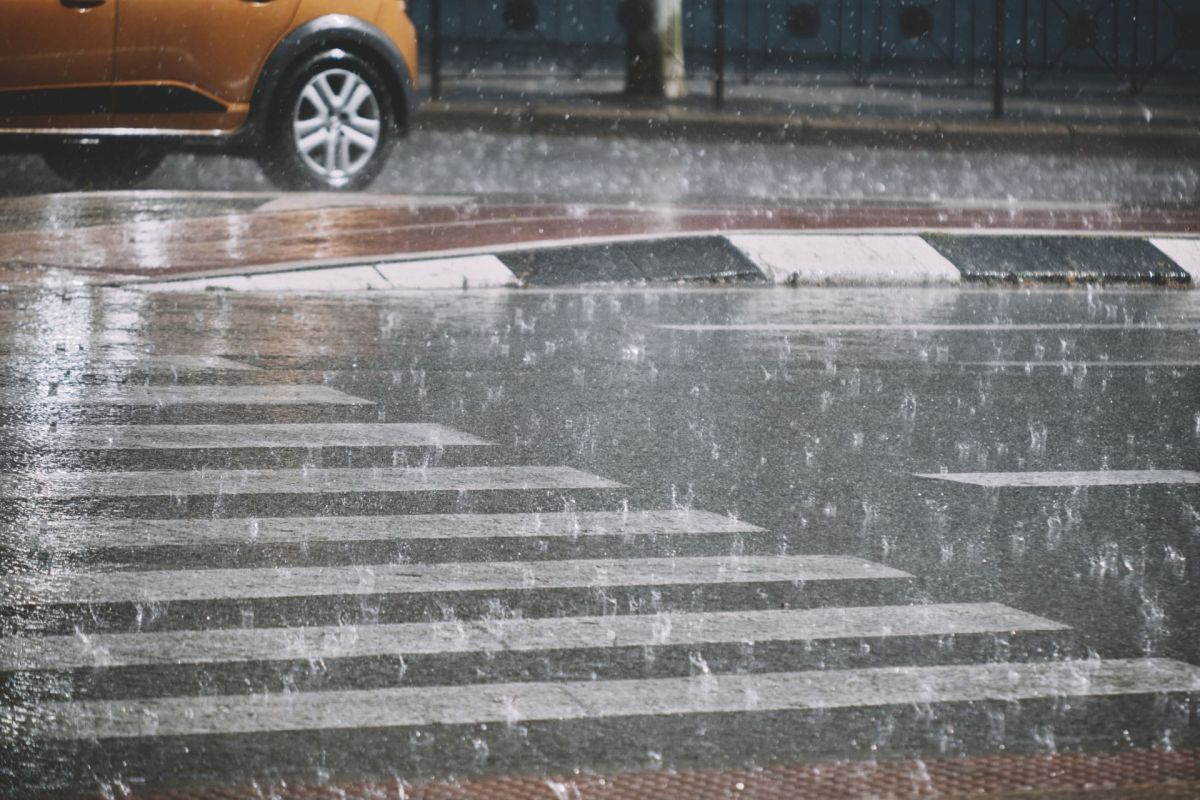
Torrential rain and flash flooding swept across eastern Spain on Wednesday, leaving one person dead and causing widespread disruption as water overwhelmed streets and transit systems.
Here's what to know
BBC Weather said Spain's national weather agency, AEMET, warned of heavy rain in the country's east and issued a red alert for Barcelona's coastline. The flooding and heavy rainfall left one person dead, and authorities urged people to avoid any unnecessary travel.
Footage shared on Instagram showed rescue crews responding, cars sitting partly underwater, and floodwater entering a metro station.
Prime Minister Pedro Sánchez warned of "very complicated situations" as the storm moved through the area.
More background
Flash flooding can strike with little warning and quickly overwhelm roads, homes, businesses, and public transportation systems. When water rises fast, drivers can become trapped, train and metro services can grind to a halt, and emergency responders may struggle to reach people in time.
Extreme weather disasters put lives and livelihoods at risk by disrupting work, damaging property, and threatening public health. Floodwater can carry debris, sewage, and other contaminants, while washed-out roads and suspended transit can delay medical care, isolate neighborhoods, and interrupt paychecks for workers who cannot safely travel.
TCD Picks » Quince Spotlight
💡These best-sellers from Quince deliver affordable, sustainable luxury for all




Scenes from eastern Spain also demonstrated how vulnerable urban infrastructure can be during intense rainfall. A flooded metro station can bring commuter delays, cleanup costs, and safety risks that continue even after the rain has stopped.
What's being done?
The immediate response centered on warnings, travel guidance, and rescue operations. AEMET's red alert for Barcelona's coastline and authorities' advice against unnecessary travel were intended to reduce preventable emergencies while crews dealt with the most dangerous conditions.
Staying off the roads during flash floods can save lives and reduce strain on first responders. Flooded streets may be deeper or faster-moving than they appear, and low-lying areas such as tunnels, underpasses, and transit entrances can become dangerous within minutes.
Where can I learn more?
As global temperatures rise and extreme weather events become longer and stronger, nations worldwide need to prepare for associated damages and complications.
• In Vanuatu, eroding valuable local resources are deepening a climate-driven national crisis.
• In storm-hit communities, post-hurricane heat deaths are endangering workers during recovery.
• A U.S. assessment says Alaska and Maine face some of the biggest costs from weather disasters.
• After major storms, death rates can rise for weeks as healthcare disruptions spread.

Get TCD's free newsletters for easy tips, smart advice, and a chance to earn $5,000 toward home upgrades. To see more stories like this one, change your Google preferences here.






