


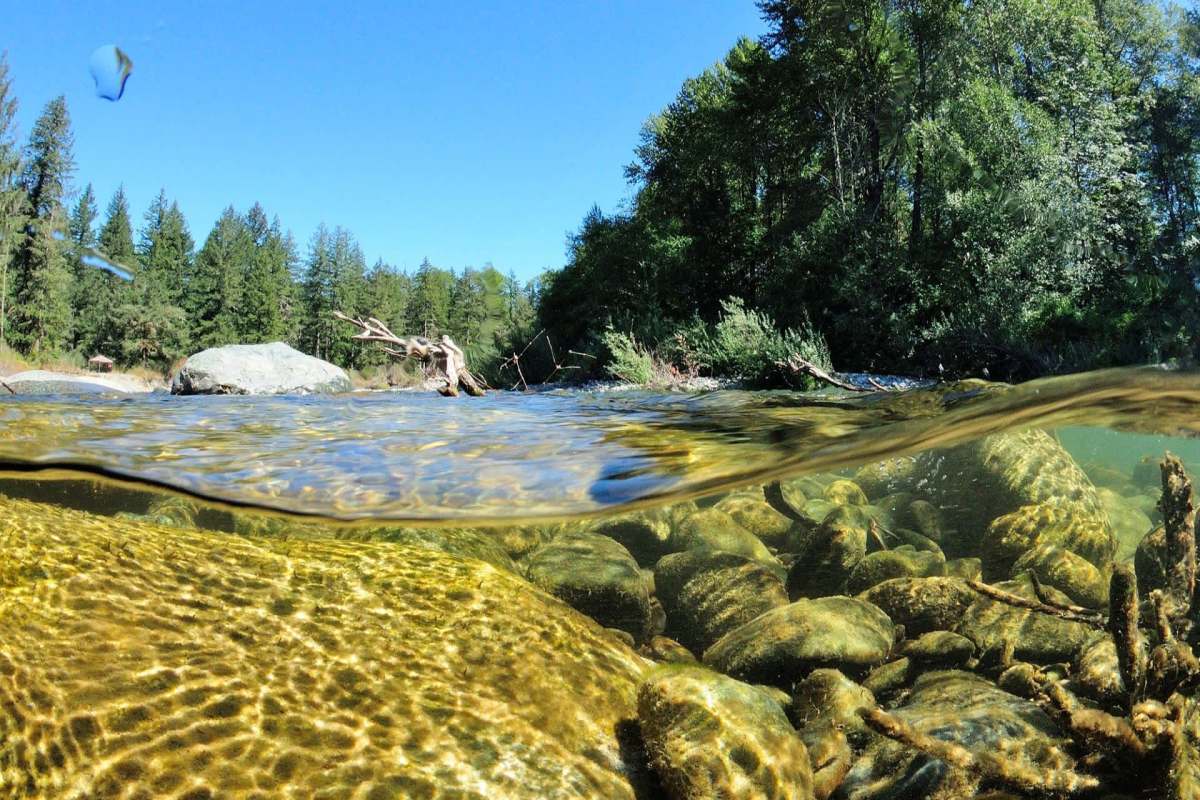
For one family on Vancouver Island, the disappearance of salmon is anything but an abstract environmental warning. It means three generations can stand together along the Cowichan River and see almost nothing where a strong run should be.
That kind of loss reaches far beyond a single day of fishing.
Here's what to know
On TikTok post, CHEK Media (@chekmedia) spoke with Glenn Radoc, a 68-year-old fisherman whose family has hunted salmon in the river for three generations.
@chekmedia Three generations of the Radoc family walked the Cowichan River Sunday, hoping to find salmon. "Just checking out the river to see what it looks like," said Glenn Radoc, who was joined by his son and grandson. #news #localnews #cheknews #britishcolumbia #canada #bc #vancouverisland #salmon #salmonfishing #cowichanriver ♬ original sound - chekmedia
Radoc explained that history may be in jeopardy now, though.
"Zero up here right now," he said. "I don't know why they aren't coming all the way up. It's hard for them to survive. This has been our livelihood for fishing for hundreds of years, and now it's just really depleting so fast."
Across Vancouver Island, CHEK Media said unusually low rivers are creating difficult conditions for salmon making their way upstream. On Sept. 3, the projected Fraser River sockeye return was also revised steeply downward, dropping from nearly 8 million fish to about 3 million.
TCD Picks » Quince Spotlight
💡These best-sellers from Quince deliver affordable, sustainable luxury for all




Catherine Michielsens, director of fisheries management science at the Pacific Salmon Commission, described how unexpected the decline has been.
"On one side it's shocking because just four cycles ago, we had a record 28 million sockeye returned to the Fraser River that year," she told the outlet. "Now, four cycles later, Sockeye have a four-year life cycle; four cycles later, we're seeing such a low return."
More background
Salmon runs are about much more than seasonal wildlife activity. They support fishing families, local economies, and entire ecosystems, carrying nutrients through rivers and forests while feeding animals along the way.
That kind of delay is felt quickly by people who follow the runs closely. Nanaimo fisherman Lance Settler, who had been checking the Nanaimo River every day, expressed concerns to CHEK Media.
"Usually they're a little earlier," he said. "But not this year, so I was starting to get afraid."
Low water levels can make matters worse, warming rivers and placing added stress on fish already struggling to reach their spawning grounds. Weaker salmon runs can mean less food security, less economic stability, and mounting pressure on ecosystems already strained by changing conditions.
Another commenter had a suggestion for a salmon rebound.
"Stop netting for em if you want a bounce back," one wrote. "Stop all commercial fishing and large scale traditional harvesting."
What can be done?
Some of the pressures affecting salmon are larger than any one family can fix, including river flow levels and water temperatures. Closely monitoring salmon runs can help communities and officials respond more quickly when fish counts drop or migration patterns begin to shift.
Even with lower water and warmer river temperatures, Settler told CHEK Media that some of the salmon turning up in the Nanaimo River looked to be in good condition, adding hopefully that "there might still be more surprises coming up."
For now, families who have spent decades on these rivers have little to do but keep watching for signs of a return.
Where can I learn more?
Vancouver Island's salmon trouble is part of a wider pattern in places where fishing is tied to food, culture, and daily life.
• In Alaska, prized catches are inexplicably disappearing from rivers tied to Native communities.
• In Oregon, the McKenzie River Trust is using river restoration to help salmon survive.
• At England's Swindale Beck, salmon and trout spawning again shows damaged rivers can recover.

Get TCD's free newsletters for easy tips, smart advice, and a chance to earn $5,000 toward home upgrades. To see more stories like this one, change your Google preferences here.







