


When installation quotes feel out of reach, it can be tempting to try the job yourself.
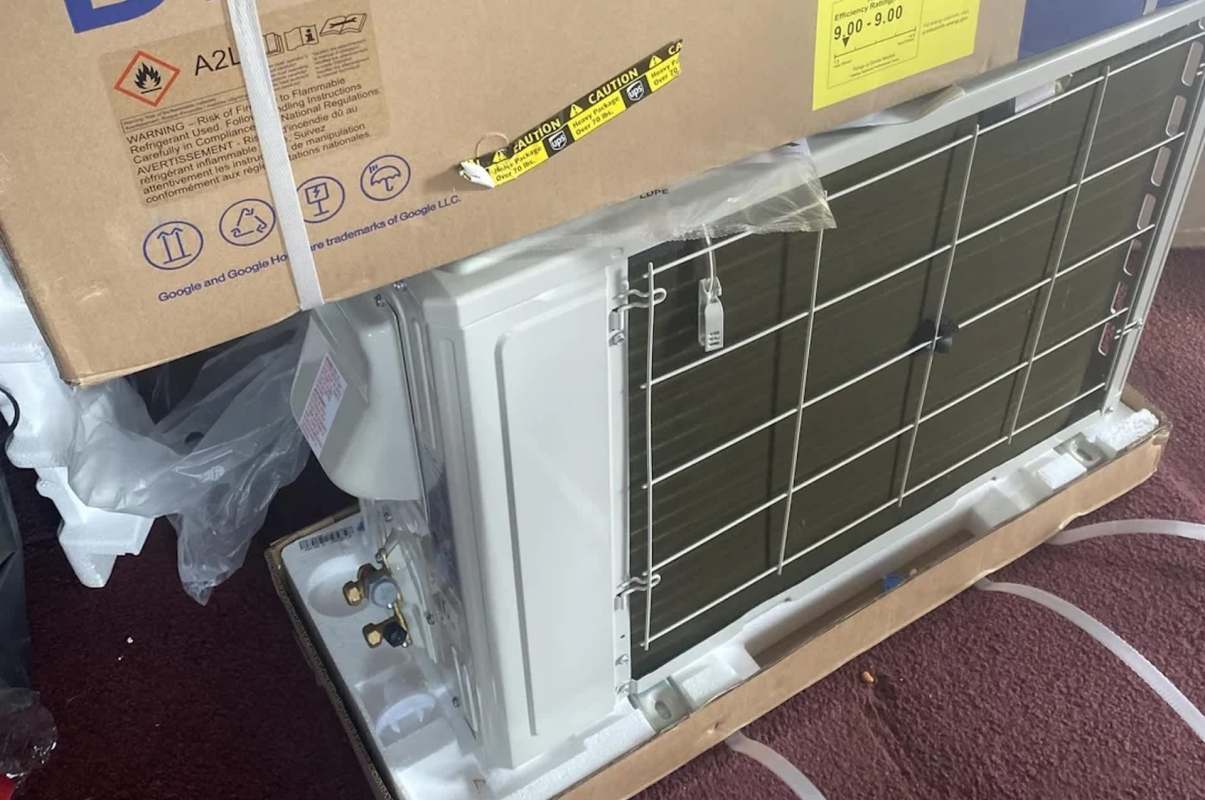
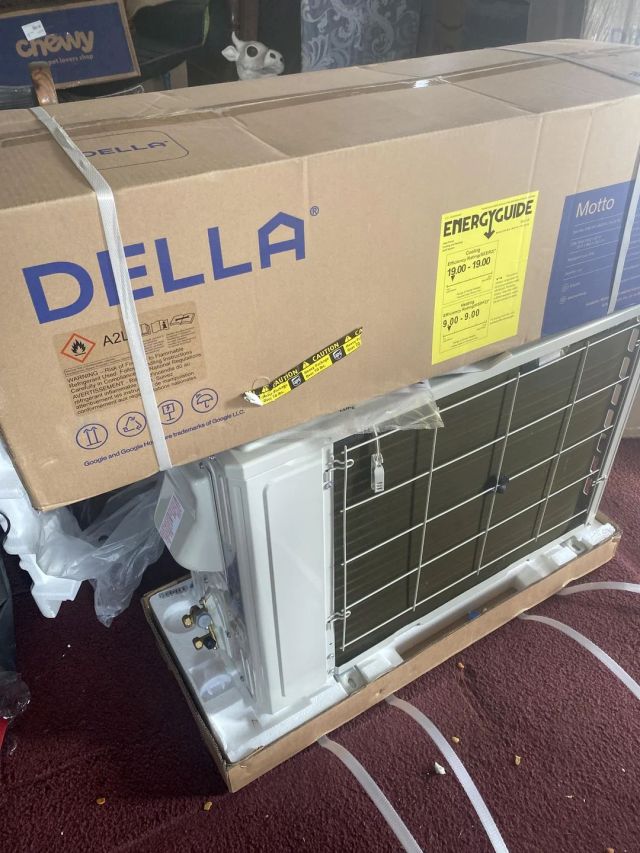
That was the situation behind a Reddit thread where a first-time DIYer asked for advice after deciding to install a mini-split unit without professional help.
Here's what to know
In the Reddit post, the homeowner wrote, "Local install quotes were insane, so I'm doing this myself. Been watching youtube videos for 2 days. I'm pretty handy but never done HVAC before, still a bit nervous. Any tiny details or mistakes people usually miss on their first try?"
Rather than offering vague encouragement, commenters focused on the order of operations that happens before startup.
One reply laid out the process that others kept reinforcing: "Torque to spec, pressure test first, then evacuation followed by decay."
The bigger problems people warned about came after the units were mounted and the lines were run. Emphasis was placed on not powering up the system until the connections had been checked for leaks and the lines had been confirmed dry. Another commenter wrote, "Torque with a torque wrench is very important."
People in the thread also discussed pressure tests, pulling a deep vacuum, and making sure the vacuum holds before the refrigerant charge is opened. Getting those checks right goes a long way toward avoiding leak problems later.
If you're not sure whether DIY is the right move, there are other ways to approach an upgrade. Palmetto can help homeowners understand their HVAC options and slash their energy bills with new, efficient HVAC models. Its Comfort Plan network can help you find efficient heating and cooling solutions for your home and connect you with vetted installers.
Save $10,000 on solar panels without even sharing your phone number Want to go solar but not sure who to trust? EnergySage has your back with free and transparent quotes from fully vetted providers in your area. To get started, just answer a few questions about your home — no phone number required. Within a day or two, EnergySage will email you the best options for your needs, and their expert advisers can help you compare quotes and pick a winner. Solar panels can save you more than $50k over their 25-year lifespan, and EnergySage can help you save as much as $10k on installation. Which begs the question — isn't that worth an email or two? |

Another reply drove that point home with a firsthand example of what can happen when a connection seems off during installation: "I ruined my first install because a flare seated wrong and I knew it felt weird while torquing but committed anyway. It blew the line off after I pressurized."
More background
Mini-splits are popular because they can heat and cool efficiently without the duct losses that come with many older systems.
A bad install can wipe out the savings from a more efficient system, though. It can also leave homeowners paying for extra tools, lost time, repairs, or a second installation visit.
What can be done?
If you are exploring a mini-split or heat pump, it helps to slow down and compare all your options. Ask installers what testing they include, whether the system is sized correctly for your space, and what warranty support looks like. If you are thinking about DIY, check local code and permit requirements first.
Palmetto is also worth a look if you want help navigating the numbers. Through the Comfort Plan, homeowners can access efficient heating and cooling options, and if you're not ready to spend up front, the plan includes $0-down options that can lower your heating and cooling costs by up to 50%. Palmetto Comfort Plans also include 12 years of free maintenance.
You can also pair solar panels with electric appliances, like efficient HVACs, to drive your utility costs even lower. EnergySage makes it easy to find the best solar system and installer for your home and budget, saving you up to $10,000 on installations.

Get TCD's free newsletters for easy tips, smart advice, and a chance to earn $5,000 toward home upgrades. To see more stories like this one, change your Google preferences here.






