


Amid storm-related outages in Metro Detroit, one homeowner thought their standby generator had a major problem. However, a quick and easy temporary fix kept the lights on.
Here's what to know
In a Reddit thread, the homeowner said that after running for about 10 minutes, the machine began laboring and struggled to carry heavier loads, such as the air conditioning and microwave.
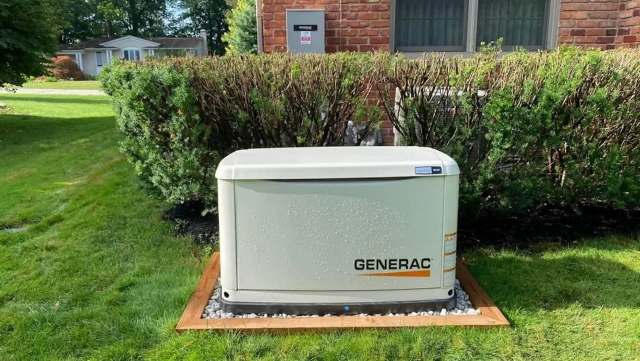
The installers eventually texted an unexpected instruction: "Remove the air filter; should fix things."
That advice was surprising because the filter had been replaced, and the generator had done little besides its short weekly self-tests.
Still, the workaround did the trick.
"Remove the air filter, and, sure enough, generator purrs like a kitten," the original poster wrote. "Full power."
TCD Picks » Quince Spotlight
💡These best-sellers from Quince deliver affordable, sustainable luxury for all




During another rain-related outage, however, the same pattern came back after roughly 10 minutes, leading commenters to point away from the engine and toward the filter as the more likely culprit.
One commenter replied, "There was a bad batch not too long ago with too much fire retardant."
Another commenter wrote, "Had the same issues with 2 air filters from my servicing dealer. I purchased a Wix from parts store and no more issues."
More background
The issue seemed to show up in the exact conditions when backup generators matter most: heavy rain, snow, and weather-related outages.
One commenter wrote, "Super common issue as stated, happens a lot with light snow as well. We had a storm a week ago and I was out all night swapping wet filters for dry ones. They say it's a bad batch, but a lot has to do with driving rain. A small fence 2ft from the air inlet side helps with this."
If a generator loses airflow, the symptoms can resemble fuel trouble, a controller malfunction, or a much more serious mechanical issue. Homeowners may end up paying for emergency service, losing refrigerated food, or going without cooling and other essentials during an outage — all because a damp or overly restrictive filter is choking the engine.
A flawed original-equipment part can create symptoms that look far more expensive than they are. In this case, the generator still ran, but not well enough to power heavier household loads, which is exactly when a backup system is supposed to provide peace of mind.
What can be done?
Removing the filter should not be considered a permanent fix. Check the filter first if a standby generator starts normally and then bogs down in wet weather, especially if it runs fine during routine self-tests.
Keeping a spare approved filter on hand could also help homeowners restore service more quickly and avoid long waits when repair companies are overwhelmed during widespread outages. Several commenters recommended Wix replacements after bad experiences with OEM filters, while others preferred sticking with factory parts, so confirming the proper fit and safety rating for a specific model is important.
Homeowners can also ask their service company whether their filter came from the batch commenters flagged and whether simple shielding near the air intake could reduce direct rain exposure. Those steps could help prevent repeat service calls, keep major appliances running, and reduce the risk of paying for unnecessary troubleshooting.
Where can I learn more?
Backup power usually becomes a priority in exactly the kind of moment this homeowner faced: a storm rolls in, the lights go out, and everything has to work right away. But there are other solutions aside from typical fuel-powered generators.
• A hurricane-prepping homeowner used an EV for backup instead of firing up a generator.
• General Motors launched a home-powering charger that uses an EV to keep a house running for days.
• A portable home battery can keep essential devices or appliances running for hours.

Get TCD's free newsletters for easy tips, smart advice, and a chance to earn $5,000 toward home upgrades. To see more stories like this one, change your Google preferences here.






