


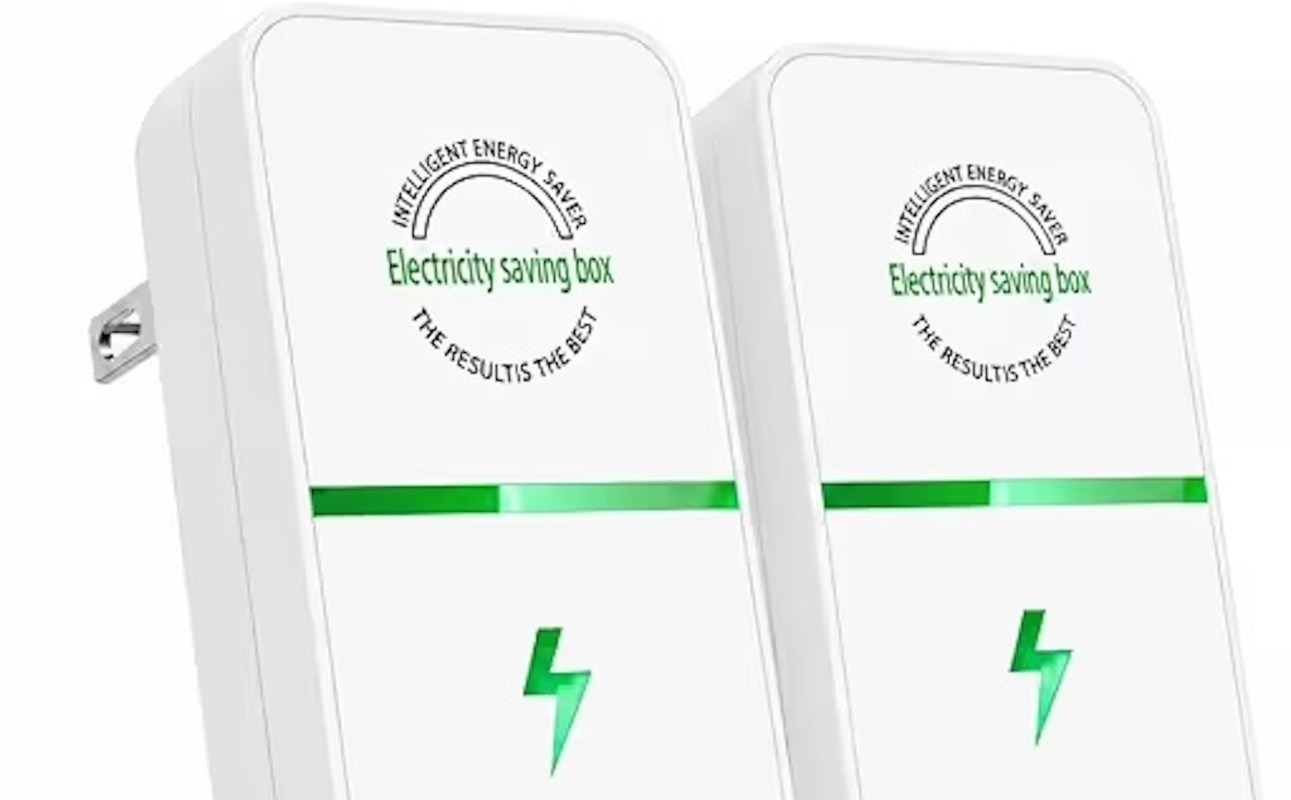
Amazon UK is still selling fake energy-saving plugs despite assurances in August to lawmakers that it had removed the listings, raising safety concerns for shoppers trying to cut household power costs.
The problem is especially troubling because the devices are marketed as easy ways to save money, even though testing found no evidence that they actually reduce energy use.
Here's what to know
According to TechRadar, similar plug-in devices remain listed even though the company told British lawmakers in August they would be taken down.
In August, Monica Ariño, Amazon's U.K. director of public policy, told Parliament's Business and Trade Select Committee that the devices had been removed, attributing the problem to "a technical issue in [our] automated classification system that was preventing some of these products from being proactively detected."
That response came after Liberal Democrat MP Joshua Reynolds used a June hearing to question both the products' safety and Amazon's accountability.
Questions about these plugs go back to 2025, when consumer group Which? tested products sold through marketplaces including eBay, AliExpress, Shein, and TikTok Shop and raised concerns about them.
TCD Picks » Quince Spotlight
💡These best-sellers from Quince deliver affordable, sustainable luxury for all




Which? said its tests found no sign that the plugs lowered electricity use, and it added that selling them in the U.K. would be illegal because they did not meet basic safety standards.
More background
Sellers pitch the devices as a way to reduce power costs, calling them "voltage stabilizers" or "surge protectors" that improve appliance performance.
Because they usually cost about £10 to £15 (about $13 to $20), the plugs can look like a cheap solution at a time when household energy costs remain a major source of budgetary pressure.
Safety issues showed up across the products Which? examined. TechRadar said more than half of the pins on the devices checked were undersized, crooked, or weak enough to snap off, while other products failed basic safety checks because of problems such as poor soldering and non-standard capacitors.
False energy claims can also make it harder for consumers to identify legitimate upgrades that actually lower bills and reduce pollution.
What can be done?
Lawmakers and shoppers have reason to expect tighter reviews, faster removals, and clearer communication when dangerous listings appear.
Regulators and consumer advocates can continue testing suspicious products and publicly flagging unsafe claims. That scrutiny appears to be what brought these plugs into the spotlight.
"Amazon has got some proper questions they have to answer," Reynolds said, according to TechRadar. "These are exactly the same products tested by Which?"
Where can I learn more?
This case points to a wider problem with shaky environmental claims on major shopping platforms, including Amazon. For shoppers, it's another reminder that sustainability marketing is only useful if the claims behind it hold up.
• Amazon faced backlash after using "distorting" data to defend its clean-energy progress claims.
• Shoppers can avoid misleading eco-pitches by learning how to spot greenwashing in online orders.
• At Amazon, a puzzling checkout upcharge on product selection fueled consumer mistrust.

Get TCD's free newsletters for easy tips, smart advice, and a chance to earn $5,000 toward home upgrades. To see more stories like this one, change your Google preferences here.






