


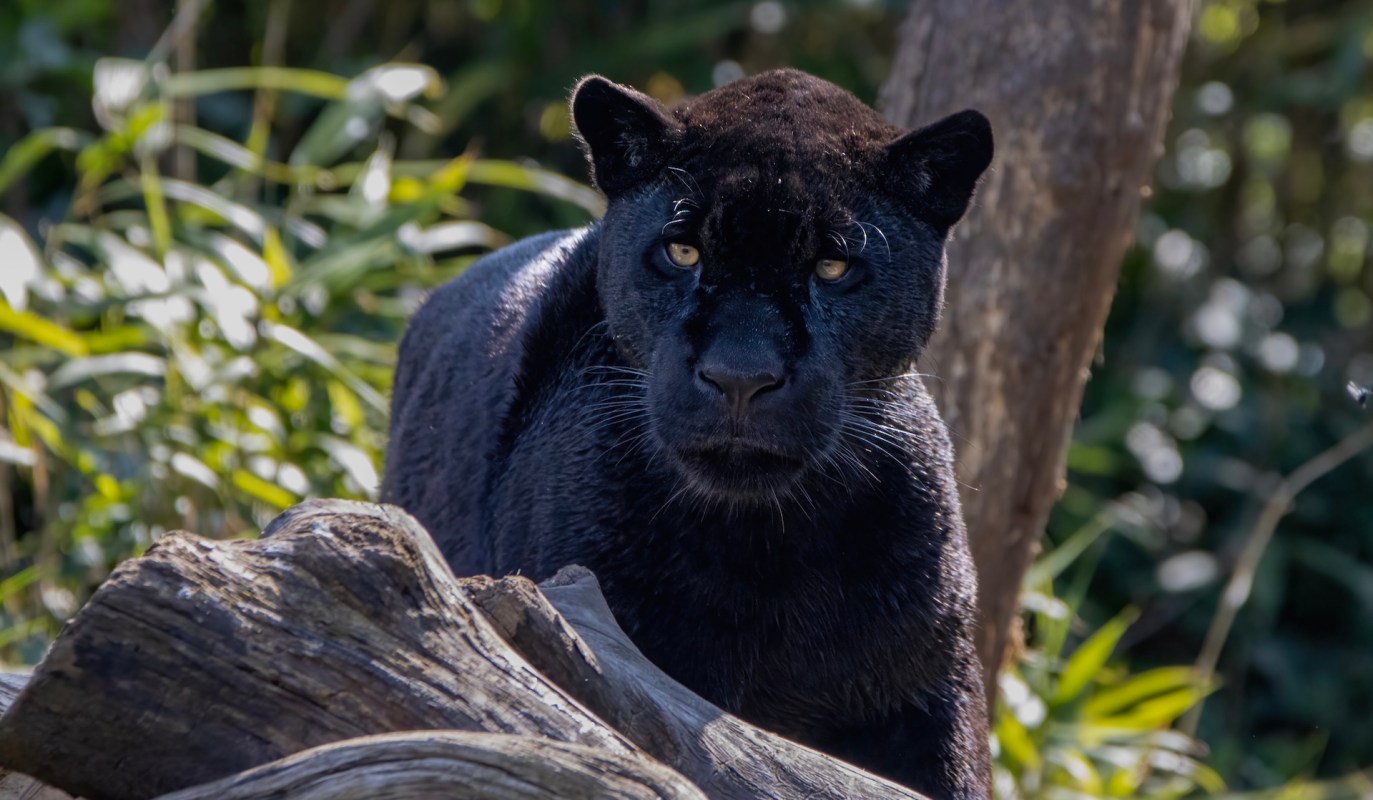
California's newest fatal rattlesnake bite victim was Samba, a 14-year-old black jaguar rather than a person, a death that is heightening concern about an especially dangerous snake season in the state.
The Los Angeles Times reported that staff at Project Survival's Cat Haven in Dunlap took Samba to the Fresno Veterinary Specialty & Emergency Center after finding two bite marks.
Here's what to know
According to Dale Anderson, founder of the 93-acre sanctuary, staff first realized there was a problem when Samba stayed in her den.
"Then she noticed [Samba's] left paw was twice the size of her right one and the swelling went all the way up her leg," Anderson said.
At the emergency clinic, veterinarians anesthetized Samba and administered two doses of antivenom. Anderson said the venom level fell to nearly zero, but the jaguar died during recovery from treatment.
"But then you have to go into the recovery process of trying to get her woken up and out of anesthesia," Anderson said. "That's where we lost her."
TCD Picks » Quince Spotlight
💡These best-sellers from Quince deliver affordable, sustainable luxury for all




The California Poison Control System has recorded 277 rattlesnake bites statewide. In a typical season, usually from April to October, California sees about 290 to 390 bites annually.
Anderson told the Times that rattlesnake activity on the grounds has increased. At least six cats at the haven have been treated for rattlesnake bites, and all recovered after receiving antivenom.
What's being done?
A warm start to the year is why, experts say: snakes left hibernation sooner than usual to hunt for food and mates, and the same mild weather drew more people outside. With both groups active earlier, the chances of a snake crossing paths with a person or an animal went up.
To find out whether underlying health problems or complications contributed to the death, the sanctuary sent Samba's body to the UC Davis California Animal Health and Food Safety Laboratory for a necropsy, the Times reported.
Anderson called Samba one of his kids.
"She was a very sweet cat personality-wise," he said. "She was always very calm and very pleasant."
Where can I learn more?
Samba's death is part of a larger pattern of risky encounters as animals and people share more space. Reporting from California and abroad shows how quickly those situations can turn dangerous.
• Across California, destructive wild pig populations are tearing through parks with little to stop them.
• Researchers warn the potential for conflict is growing as wildlife nears urban edges.
• In Karnataka, dangerous wildlife encounters with people have risen as changing land use worsens conflict.
That context helps explain why Samba's death doesn't influence only one sanctuary. As habitat pressures grow, encounters with wildlife can turn dangerous fast.

Get TCD's free newsletters for easy tips, smart advice, and a chance to earn $5,000 toward home upgrades. To see more stories like this one, change your Google preferences here.







