


For one Pennsylvania family, a power outage represents a mobility and safety emergency as their 90-year-old grandmother depends on electricity to move safely through her home.
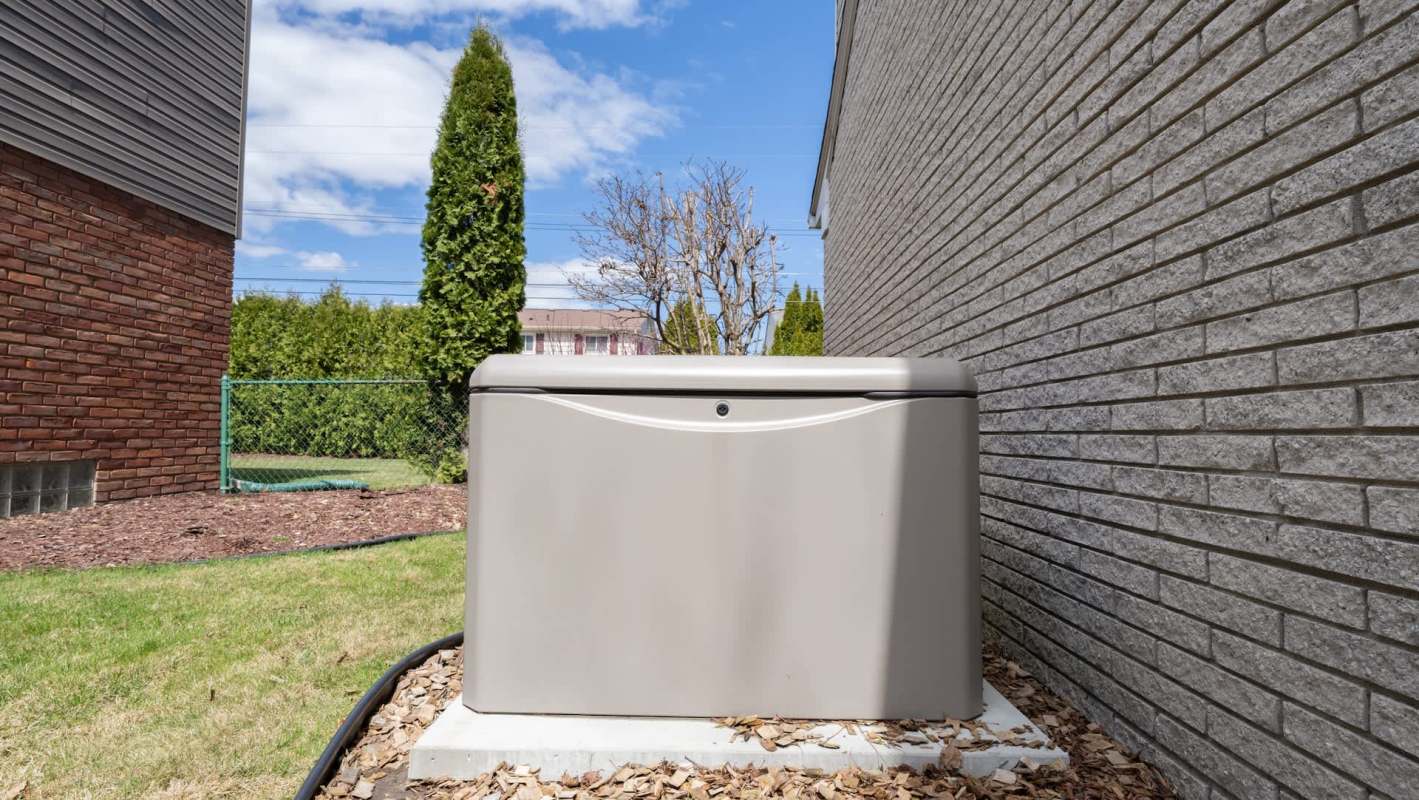
After a weeklong blackout forced the family and their grandmother into a motel, they turned to the internet to ask whether repeated outages meant it was time to install an automatic standby generator.
Here's what to know
According to the family's post to Reddit's r/Generator community, the grandmother lives next door to the family and is dealing with both severe rheumatoid arthritis and advanced macular degeneration that is taking her vision.
As the original poster wrote, "She relies on the electric chairlift to get up and down to her bedroom, the bathroom, and the basement." OP then asked what is the "Best automatic standby backup generator for 90-year-old grandma with medical needs?"
OP also said full outages happen several times a year, and even shorter blackouts can still be overwhelming, writing, "every time this happens, it sends her into a major panic and adds a lot of stress for our family."
Much of the advice from the comments section leaned toward an automatic whole-home standby generator, with commenters saying a system that comes on by itself may be the simplest backup to manage.
TCD Picks » Quince Spotlight
💡These best-sellers from Quince deliver affordable, sustainable luxury for all




The top comment read, "They're not cheap. Figure $15k to $20k all in depending upon set up and install."
Another commenter recommended, "If I was in your situation I would get: An automatic battery backup that can power her house for up to 12 hours during an outage. A portable gas generator for myself."
The same commenter then estimated, "A whole home battery backup is around $10k that will last 12 hours or longer. A whole home automatic generator is $15k to $20k. A 5 kw portable generator with [an] interlock kit is under $2k."
More background
For households dealing with medical or mobility needs, electricity may power much more than lights and kitchen appliances; it can determine whether someone can safely reach a bedroom, bathroom, or exit.
While several commenters backed traditional standby generators, others pointed to whole-home batteries and power station companies like EcoFlow and Anker as faster-switching alternatives.
Commenters also noted that speed is only part of the equation. Some said a brief delay may not matter for a chairlift, while sensitive equipment could still require its own uninterruptible power supply, or UPS, even if the home already has a standby generator.
They described this practical tradeoff: Portable or partial-load backup options may cost less, but a fully automatic setup may reduce stress for an older adult who cannot troubleshoot equipment during an outage.
Where can I learn more?
For families relying on electronic mobility equipment, the backup power question usually comes down to cost, safety, automatic switchover, and how long a system can keep critical devices running.
• Homeowners are making safer upgrades to home backups by replacing gasoline generators with batteries.
• Anker's Solix F3800 showed how portable power could run appliances through frustrating outages.
• Homeowners facing unreliable grids are turning to inexpensive portable solar backups for critical devices.
These stories underscore how often backup power decisions come down to speed, safety, and ease of use. For families supporting older adults, those details can determine whether home still feels accessible when the grid goes down.

Get TCD's free newsletters for easy tips, smart advice, and a chance to earn $5,000 toward home upgrades. To see more stories like this one, change your Google preferences here.






