


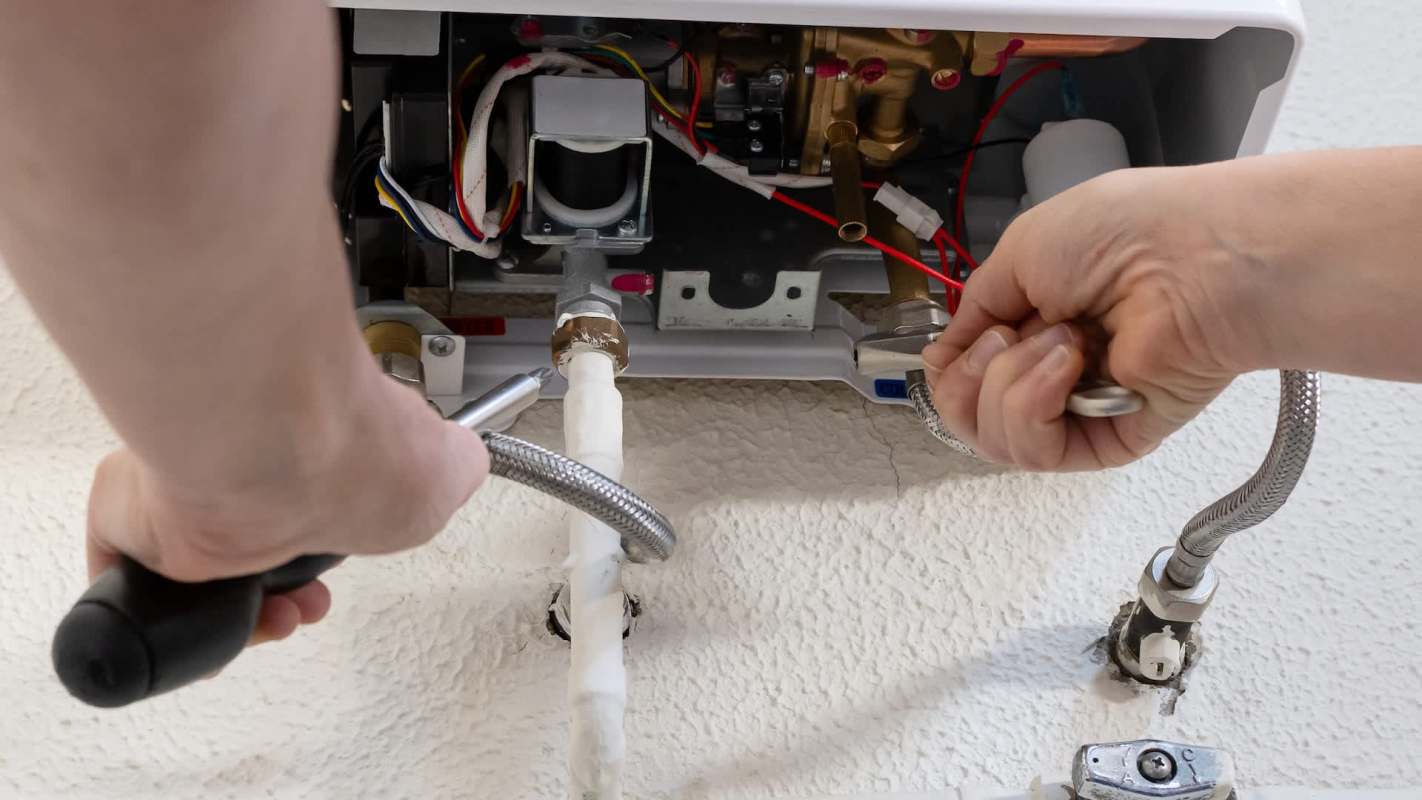
A tankless water heater is supposed to improve efficiency and convenience, not leave its owner dealing with a gas leak, headaches, and code concerns.
But that's the situation one homeowner described after paying for a new installation that later raised safety and code concerns, sparking debate over whether poor workmanship should automatically warrant money back.
Here's what to know
In a thread posted to Reddit's r/Homeowners community, the homeowner said the company that installed the tankless water heater was licensed and bonded, and the job appeared fine at first. They said the concerns only became clear after the workers left.
The original poster then wrote that their in-laws "both say we should ask for a partial refund but I'm hesitant… Would you complain to the installers?"
One concern involved where water would discharge. The homeowner said the condensate line was left draining into the crawl space, and the temperature-pressure relief valve also terminated there. An inspector later said the relief valve needed to end in a visible location, and the plumber agreed to correct that code issue at no charge.
Separate from the code problem, the OP said that others in the home were experiencing headaches, "mainly spouse," which prompted a safety check by the gas company. The technician reportedly found "a minor gas leak at the new water heater" and traced it to a somewhat loose connector.
TCD Picks » Quince Spotlight
💡These best-sellers from Quince deliver affordable, sustainable luxury for all




Even with those problems, many commenters said a repair, and not a reimbursement, was the appropriate solution. One commenter wrote, "That's what warranty is for. Why would you ask for a refund if they will correct the issues."
The top comment read, "The problems are being fixed. What makes you think you should ask for a refund?"
More background
The situation raised a frustrating question homeowners often face: when does bad contractor work shift from a fixable error to a refund-worthy failure?
Commenters largely focused on two points. A gas leak, even a minor one, can affect both health and household safety, and inspections are meant to catch code violations before they become larger hazards.
That argument carried more weight because, by the homeowner's account, the company was not refusing to address the issues. The plumber had already agreed to bring the installation up to code, and the gas problem had been fixed. As the OP later put it, "I don't think a refund is reasonable since things have already been fixed or will be fixed."
In their view, a contractor should absolutely be held accountable for unsafe work, but accountability means correcting defects quickly and at no added cost, not necessarily providing a partial refund.
What can be done?
If a new appliance installation raises concerns, document everything, have the work inspected, and report any gas smell, health symptoms, or suspected leak immediately to the utility company or emergency services, as appropriate.
Commenters also said the installing company should be informed about every issue, including problems another technician already corrected. Several urged the homeowner to tell the business owner about the gas leak so the company can address training, quality control, and liability concerns internally.
Consumers can protect themselves by withholding final payment until required work passes inspection, keeping all invoices and service notes, and making sure any fixes are confirmed in writing.
A refund becomes more realistic when a contractor refuses to make things right or leaves the homeowner needing to hire someone else.
As one commenter put it, "You are not entitled [to] a refund. You are entitled [to] a tankless water heater installed to code without a gas leak. Let them fix it."
Where can I learn more?
Each of these stories touches on the same issues at the center of this case: safety risks at home, repair disputes, and the question of who ends up paying when something goes wrong.
• One tenant was hit with a steep bill after a landlord-caused gas leak.
• A furious tenant learned of their landlord's total negligence only after a gas company fine.
• One renter faced an astronomical water bill after a leak and stalled compensation.
A problem that starts out fixable can get expensive fast once blame and payment are up for debate.

Get TCD's free newsletters for easy tips, smart advice, and a chance to earn $5,000 toward home upgrades. To see more stories like this one, change your Google preferences here.






