


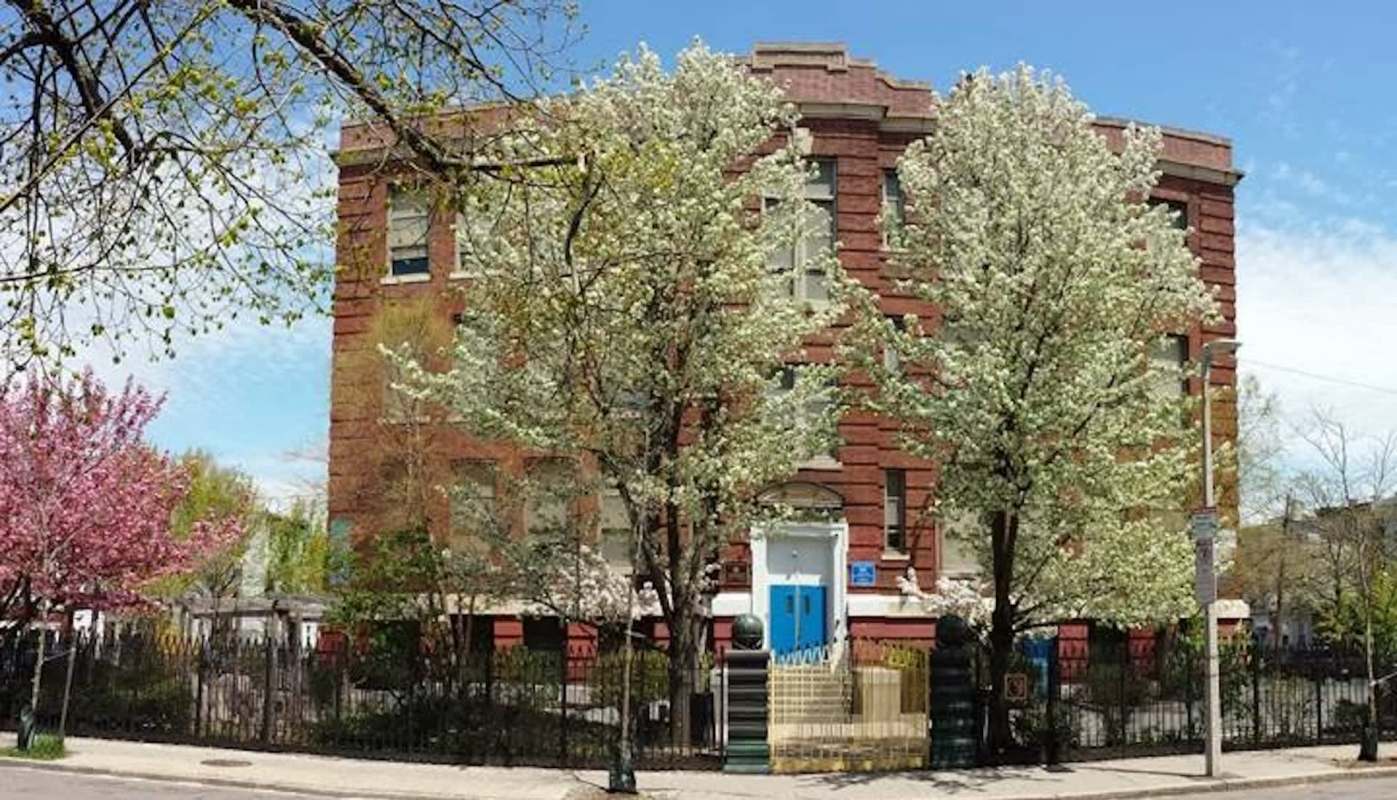
A major facilities upgrade is changing daily life at one Boston public school for hundreds of students, according to NBC Boston.
At Boston's Otis School, the 120-year-old building now has a state-of-the-art system for climate control.
Here's what to know
At the East Boston school, which serves about 400 students, the change means cleaner air and steadier indoor temperatures.
Rather than demolish the Otis School or undertake a full rebuild, the Boston Public School system opted to update the existing building with a new climate-control system, according to NBC Boston.
The school, built in 1905, now runs on a cleaner setup, supported in part by $5.7 million from the city government and another $1.5 million in state grant funding.
Retired Otis principal Paula Cerqueira-Goncalves told NBC Boston that she spent years pressing for air conditioning and improved indoor air quality in the aging school, even when others doubted the work could be done.
"Your building is 121 years old, we're not going to be able to do that and my exact line was, 'well let's try,'" Cerqueira-Goncalves said.
More background
The Otis School sits near Logan Airport and Route 1A. Better indoor air quality and electrified heating and cooling can support a healthier school environment while also reducing the building's reliance on fossil fuels.
Save $10,000 on solar panels without even sharing your phone number Want to go solar but not sure who to trust? EnergySage has your back with free and transparent quotes from fully vetted providers in your area. To get started, just answer a few questions about your home — no phone number required. Within a day or two, EnergySage will email you the best options for your needs, and their expert advisers can help you compare quotes and pick a winner. Solar panels can save you more than $50k over their 25-year lifespan, and EnergySage can help you save as much as $10k on installation. Which begs the question — isn't that worth an email or two? |

Katherine Walsh, director of sustainability for Boston Public Schools, explained to the outlet, "We know that healthy indoor air quality and thermal comfort has a direct impact on our children's learning outcomes, their health outcomes."
Walsh also noted, "We are now experiencing extreme heat as early as May so students are still in school during that time."
The Otis project shows that older buildings are not necessarily stuck with outdated infrastructure. With the right investment, people can modernize them to create healthier, more resilient performance without rebuilding them from the ground up.
Where can I learn more?
The Otis retrofit is one small but important part of how many people are pushing to make older buildings more livable as hotter weather arrives earlier and sticks around longer.
• Across northern states, campuses require more air conditioning as hotter school days strain budgets.
• In Des Moines, despite 70-year-old buildings, this school district is posting major energy savings.
• Across New England, traditional HVAC systems are taking a backseat as heat pumps spread.
With older buildings facing hotter seasons and rising energy demands, decisions like these can affect health and costs for years to come.

Get TCD's free newsletters for easy tips, smart advice, and a chance to earn $5,000 toward home upgrades. To see more stories like this one, change your Google preferences here.






