


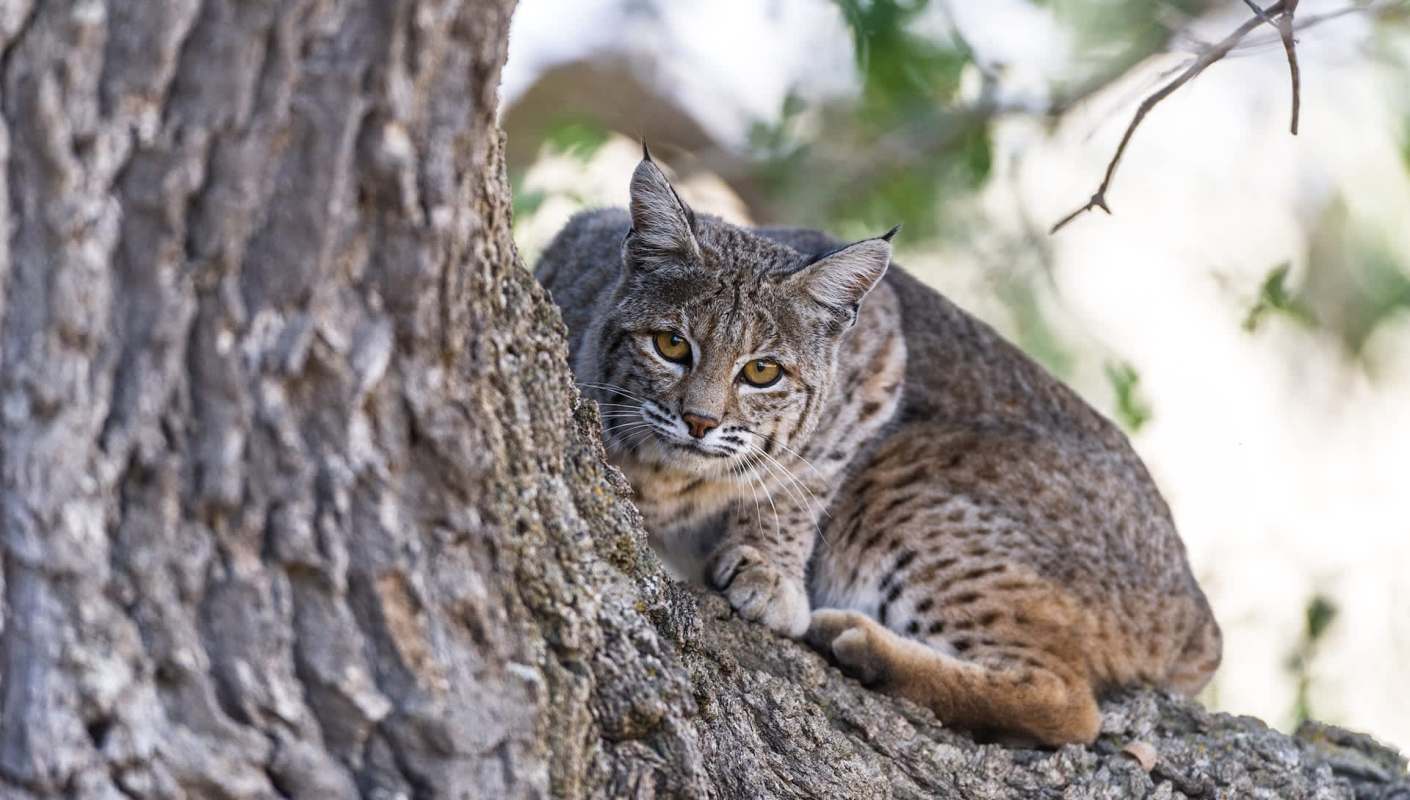
A remote camera in Florida captured a rare wildlife encounter: a bobcat attacking an adult eastern diamondback rattlesnake, a species widely considered the largest rattlesnake in the world.
Researchers consider the images especially unusual because scientists seldom get direct visual evidence of this kind of encounter in the wild. The sequence also underscores how dramatic animal interactions often happen in environments shaped by human land use.
Here's what to know
According to PetaPixel, the photos were published in the journal Southeastern Naturalist after a camera trap recorded 38 frames over about an hour and a half at the University of Florida's Range Cattle Research and Education Center in Hardee County, Florida, on Aug. 20, 2022.
In the later frames, the rattlesnake appears badly hurt and is turned onto its back, though it still tries to defend itself. Earlier images show the bobcat edging closer, avoiding the snake's rattle, then grabbing the tail and body before finally targeting the head.
Eastern diamondback rattlesnakes are large, heavy-bodied, and venomous. Researchers said direct evidence of mammals attacking adult rattlesnakes is limited, giving the photos unusual scientific value in their own right.
The attack took place at a human-managed research and cattle center monitored by remote cameras. That does not mean people caused the interaction, but it does show how development, ranchlands, and other altered habitats can shape where animals cross paths — and how often humans get a chance to witness those moments.
TCD Picks » Quince Spotlight
💡These best-sellers from Quince deliver affordable, sustainable luxury for all




More background
Scientists said the images add to a small but growing body of evidence suggesting bobcats can handle larger reptiles than many people might expect, including invasive and potentially dangerous species.
The study authors said the new photos support earlier indirect reports of bobcats going after pythons by showing that the cats can severely injure large venomous snakes.
Predator behavior in the wild is still not fully understood, even in a state where people regularly live alongside bobcats, snakes, and wetlands.
Human expansion into wildlife habitat can increase overlap among species — and between animals and people. Where suburbs, roads, ranches, and conservation land intersect, those interactions can affect ecosystem balance, pet safety, and how communities respond to native and invasive wildlife.
What's being done?
Camera traps and wildlife-monitoring grids are helping scientists build a clearer picture of how animals behave when people are not around, including rare encounters that might otherwise never be seen.
The more scientists learn about how native predators respond to changing habitats, the better equipped communities may be to protect biodiversity while reducing unnecessary risk for nearby residents.
The researchers said, "Our observation provides primary photographic evidence that Bobcats can attack and severely wound adult vipers." They added, "It also supports previous indirect evidence of predation on Burmese Pythons by confirming the species' capacity to kill large reptiles, even venomous ones. Together, these observations form a growing body of evidence that Bobcats can attack or consume relatively large reptiles."
Where can I learn more?
These stories touch on two of the same threads as the Florida camera-trap images: dangerous wildlife encounters and rare behavior caught on remote cameras. They also show how human-shaped landscapes can bring surprising predator interactions, venom risks, and other hard-to-see moments into view.
• In Arizona, officials warned residents after a fifth rattlesnake attack hospitalized another man.
• In Anchorage, trail cameras captured unbelievable encounters between massive predators near people's yards.
• Along the Pacific coast, scientists documented coastal wolves hunting sea otters in a surprising shift.
• Near the University of Sydney, cameras captured a first-ever bushland encounter involving native water rats.
• Across California, parks are struggling as a uniquely destructive wild animal tears through habitat.
Stories like these show why close wildlife monitoring matters where animals and people increasingly share space. They also add context for how unusual encounters become visible — and consequential — in changed landscapes.

Get TCD's free newsletters for easy tips, smart advice, and a chance to earn $5,000 toward home upgrades. To see more stories like this one, change your Google preferences here.







