


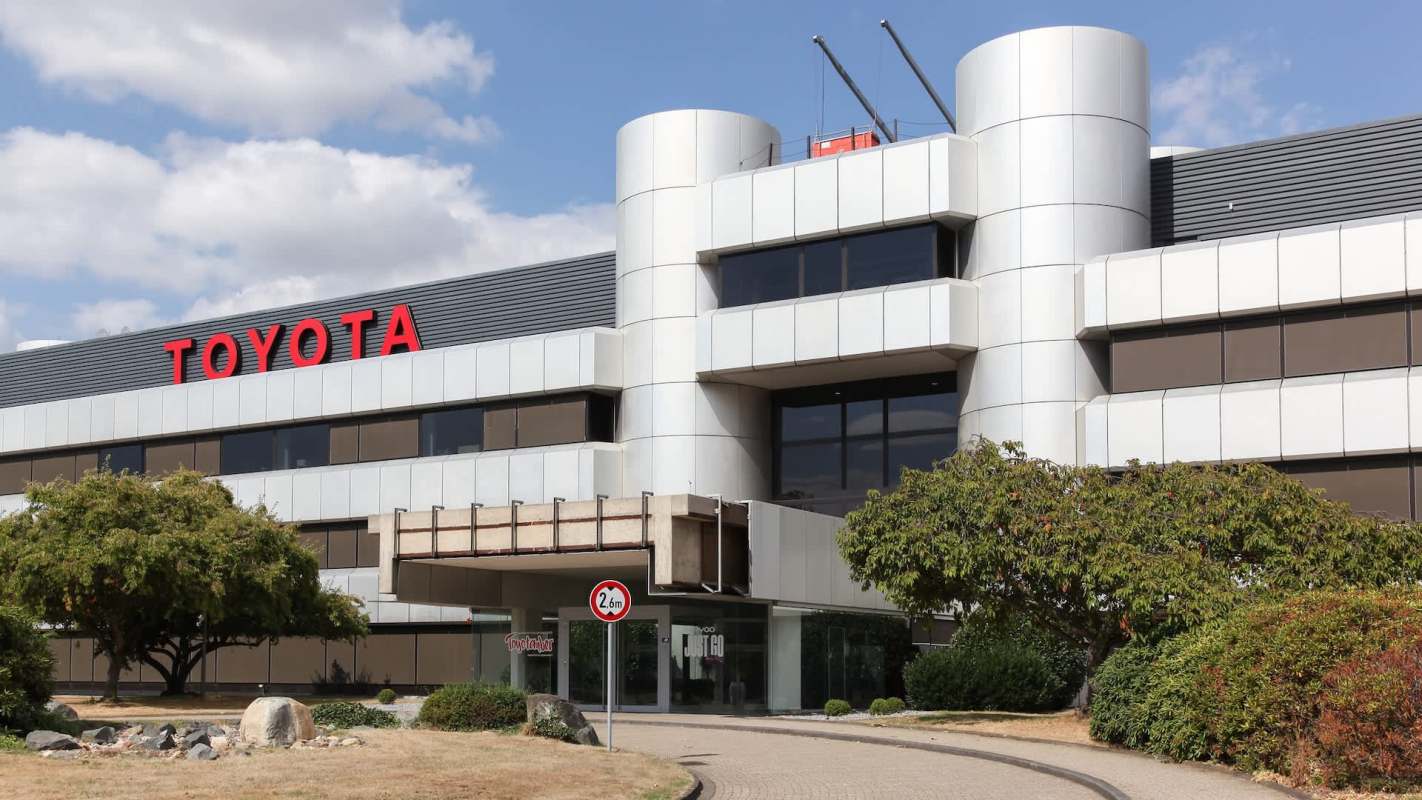
Toyota is looking beyond new-car sales for its next wave of profit.
The automaker wants to make billions more each year from software, services, parts, financing, and upgrades tied to vehicles customers already own, making ongoing ownership a bigger part of how it earns money.
Here's what to know
Content creator Kirk Kreifels said on YouTube that Nikkei Asia reported Toyota is targeting about 3 trillion yen in annual operating profit from its "value chain" business by fiscal 2030, or roughly $19.2 billion. Reaching that mark would mean lifting the total by about 40% from current levels.
Software is central to that effort, with Toyota expanding its Arene platform and testing paid, smartphone-based upgrades that can change how a vehicle functions after it has been bought.
Toyota is also exploring software-driven safety additions for used cars, which could give it more chances to sell extras long after the first owner made a purchase.
Nikkei Asia said Toyota already has around 150 million vehicles on the road globally, giving it a huge pool of existing drivers it could sell recurring services and fees to.
TCD Picks » Quince Spotlight
💡These best-sellers from Quince deliver affordable, sustainable luxury for all




More background
Car ownership, once a one-and-done purchase, could increasingly involve repeat payments for convenience features, performance upgrades, entertainment options, or safety functions.
Beyond software, Toyota is also chasing revenue from financing, leasing, and replacement parts. A stronger parts network could help older vehicles stay in service longer.
Nikkei Asia reported that Toyota wants Japan's used-car sales to increase from about 350,000 a year to 550,000 by 2030, with software-based safety add-ons offered alongside those vehicles.
Kreifels said, "Toyota just wants to get on the list, okay? They want your money after the point of sale and as much of it as possible."
Where can I learn more?
Toyota's plan to earn more after the initial sale fits into a much broader strategy around vehicle tech and the long-term cost of ownership. These articles add context on the battery, energy, and hardware decisions that could help keep drivers tied to Toyota for years.
• Toyota said its solid-state battery could deliver 745 miles of range with 10-minute charging.
• Toyota struck a megadeal with Enbridge to support a major solar farm and 2035 goals.
• In the Prius, Toyota still weighs solar panels on cars against cost, efficiency, and practicality.
Toyota's plans look much bigger than software alone when you factor in other things. They also show why the company is investing across the full life span of the vehicle.

Get TCD's free newsletters for easy tips, smart advice, and a chance to earn $5,000 toward home upgrades. To see more stories like this one, change your Google preferences here.






