


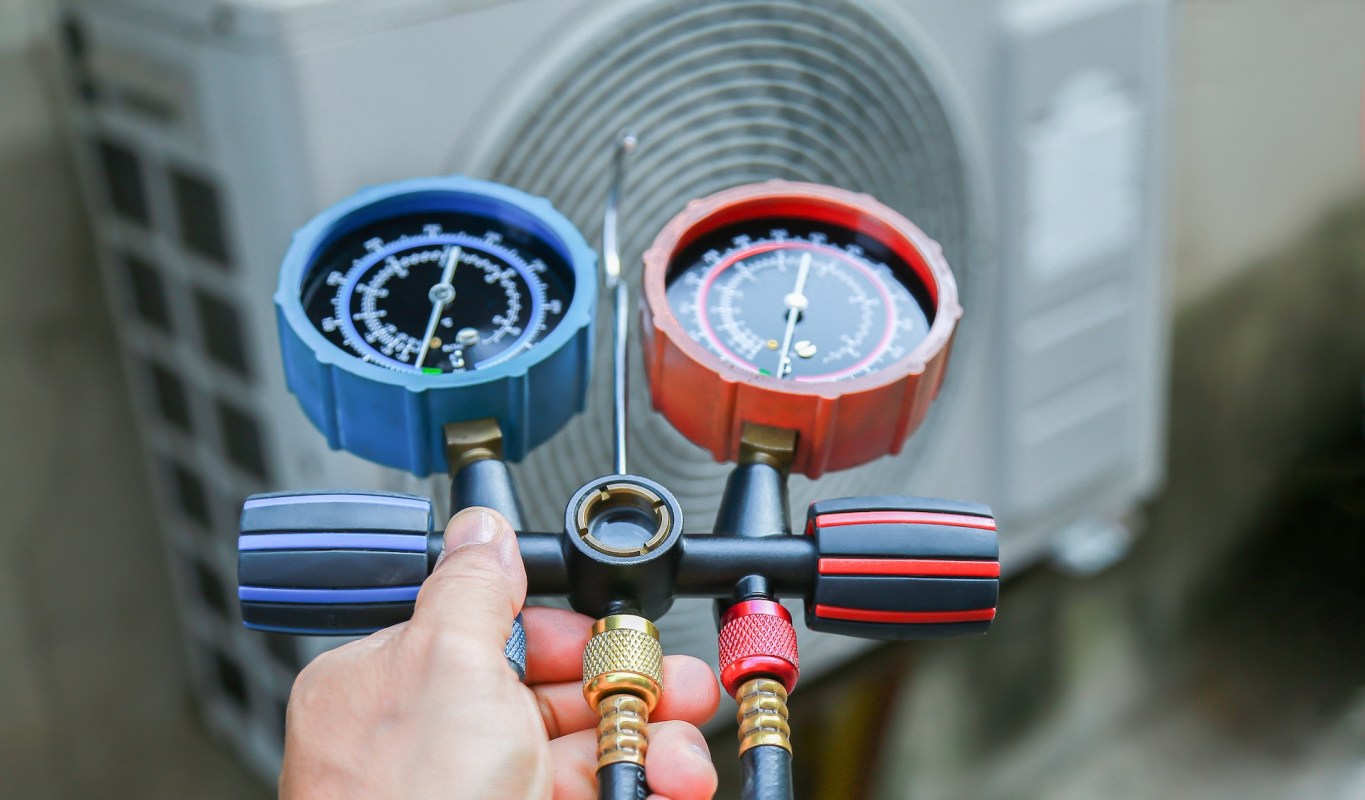
A homeowner's question about an AC repair estimate turned into a debate that may help others avoid a costly mistake after a technician said the 12-year-old system needed 3 pounds of refrigerant, a new coil, or a full replacement.
Here's what to know
In a Reddit post, the homeowner said they had already spent about $450 after a technician found a bad compressor. After that, they were told the AC was low on refrigerant and likely had a leak.
The next set of options was far more expensive: $675 for a refrigerant top-off, $689 for leak detection, an estimated $4,000 to $6,000 for a coil replacement, or replacing the AC altogether.
The original poster asked, "My thought is that the coil really isn't that expensive. Am I wrong?" Some of the reaction focused on the idea that the technician could specify such an exact refrigerant shortage.
One wrote, "How does he know it's exactly 3lbs low, does he have refrigerant scales built into his eyeballs when he looks at the gauges? If just the refrigerant is $689 before labor that's literally covering almost 75lbs of refrigerant from a vendor with a EPA card. Seems sus, try another contractor."
Another commenter suggested the number may have reflected a pricing policy rather than a precise measurement: "A lot of companies have adopted things like a 'up to' 3 pound minimum charge. It's not uncommon although I don't do that."
If you're trying to sort through quotes like these, Palmetto can help you understand your HVAC options and slash your energy bills with new, efficient HVACs and heat pumps through its Comfort Plan network, which can also connect you with vetted installers.
More background
A refrigerant top-off can get an AC cooling again in some cases, but it usually does not fix the underlying problem if refrigerant is leaking.
Save $10,000 on solar panels without even sharing your phone number Want to go solar but not sure who to trust? EnergySage has your back with free and transparent quotes from fully vetted providers in your area. To get started, just answer a few questions about your home — no phone number required. Within a day or two, EnergySage will email you the best options for your needs, and their expert advisers can help you compare quotes and pick a winner. Solar panels can save you more than $50k over their 25-year lifespan, and EnergySage can help you save as much as $10k on installation. Which begs the question — isn't that worth an email or two? |

Once a system is already 12 years old, repair estimates of this size can make the choice between fixing it and replacing it much harder.
Upgrading a heating and cooling system is one of the best ways to save money on utility bills and protect against rising energy prices. Even if a current system is still running, an older AC can cost more to operate than a newer, high-efficiency unit or heat pump.
What can be done?
When a quote looks like this, getting another opinion is often the best next step.
Homeowners can ask how the refrigerant amount was determined, whether the charge is based on a flat minimum, what kind of leak-testing method will be used, and whether the coil estimate includes labor, refrigerant, and warranty coverage.
If replacement is on the table, it can also help to compare not just the upfront price but what you could save over time. Palmetto's Comfort Plan includes $0-down options that can lower your heating and cooling costs by up to 50%, and it includes 12 years of free maintenance.
You can also push costs down further by pairing solar panels with electric appliances such as efficient HVACs. EnergySage makes it easy to find the best solar system and installer for your home and budget, saving you up to $10,000 on installations.
Where can I learn more?
Each of these stories addresses the same practical questions homeowners run into: which AC numbers actually matter, what basic maintenance is worth doing, and which settings can cut waste without hiding a bigger repair issue. They also show how a few small efficiency tweaks can trim bills while you decide whether an HVAC quote passes the smell test.
• A home repair content creator on TikTok showed how a simple drain change helped boost AC efficiency.
• After a quick cleanup, the difference was phenomenal for one home's summer bill.
• In humid homes, a little-known setting can curb mold and trim energy use.
When you're weighing a steep refrigerant charge or a pricey leak-detection estimate, that kind of context helps. A better handle on routine upkeep and everyday AC settings can make it easier to tell when a contractor is offering a real fix — and when you're being sold an expensive guess.

Get TCD's free newsletters for easy tips, smart advice, and a chance to earn $5,000 toward home upgrades. To see more stories like this one, change your Google preferences here.






