


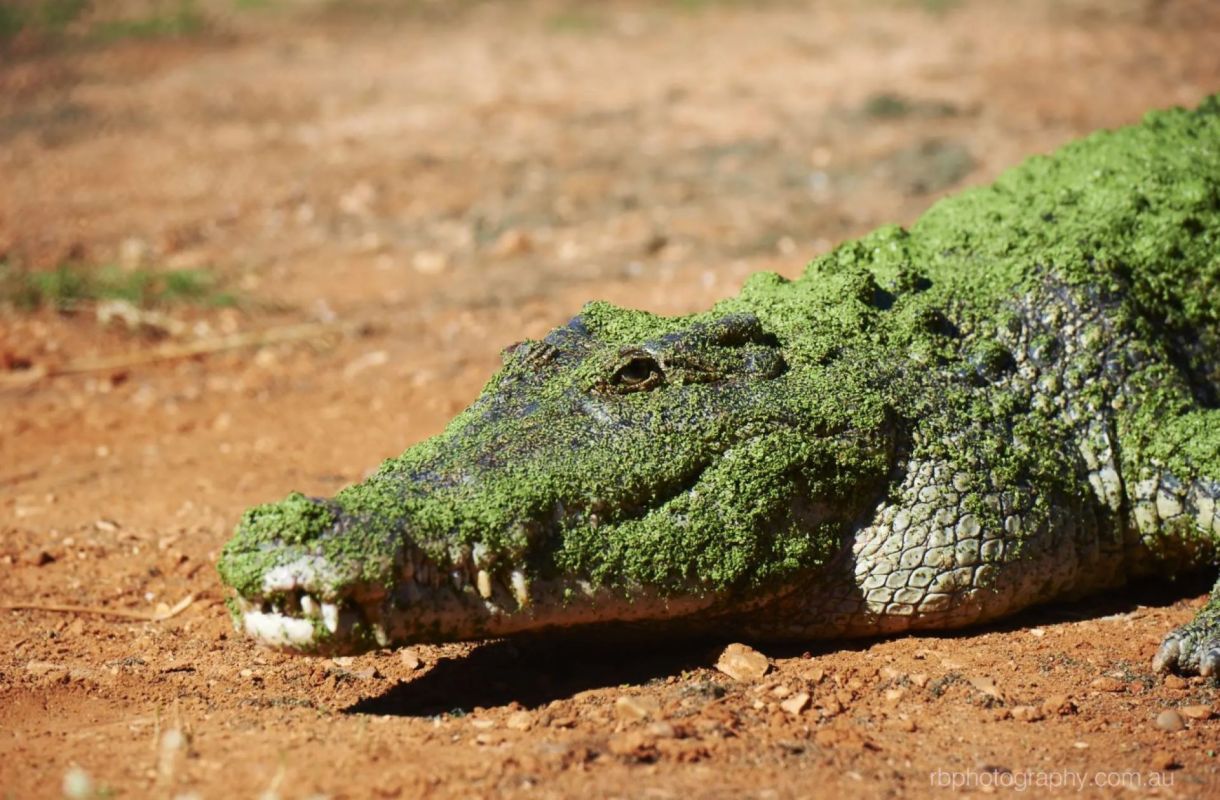
Authorities removed and relocated an 11.5-foot saltwater crocodile from waters near Broome, Western Australia, after repeated beach closures and a decision that the animal posed too much danger, Australia's ABC News reported.
Here's what to know
The estuarine crocodile had been seen multiple times off Broome, about 1,240 miles north of Perth, Western Australia. Yawuru and Parks and Wildlife rangers caught it about 330 feet offshore, north of Cable Beach.
According to Parks and Wildlife district officer Lyle Gilbert, the animal was within Broome's crocodile control zone. Rangers track and remove crocodiles from there when the crocs are considered a threat to nearby people.
"The crocodiles we capture and relocate are ones occurring in the croc risk management area … where they're going to potentially run into people," Gilbert explained.
He said the operation needed four rangers to secure the animal by grapple or harpoon.
"Then it's a matter of actually securing its jaws to reduce the risk to people and cover its eyes," Gilbert added.
TCD Picks » Quince Spotlight
💡These best-sellers from Quince deliver affordable, sustainable luxury for all




More background
Beach Hut Broome owner Angela Roberson said onlookers gathered on the stairs and watched from the surf club as the capture unfolded.
"I have seen crocodiles, but not of that size and not right here in front of our business," Roberson recalled to ABC News.
Roberson continued, "They managed to capture it within an hour and a half, which is amazing. They really should get a lot of credit for responding so quickly."
What's being done?
Gilbert described the work as "inherently risky" and said the danger had to be controlled for the rangers and the crocodile.
The animal was taken to Malcolm Douglas Crocodile Park outside Broome.
"Those guys look after the crocodiles really well and he'll get fed regularly and not have to work as hard for his food," Gilbert said. "He should have a pretty good life out there."
He also warned that people should remain cautious in "crocodile country."
Where can I learn more?
There's no shortage of people observing and managing crocodiles around the world. Some scientists are even trying to keep them safe from other forms of wildlife too.
• In Mumbai, rescuers took immediate action after a crocodile appeared in an urban marsh near residents.
• In Australia, scientists documented shocking crocodile behavior as their body temperatures shifted more dramatically than expected.
• In Western Australia, scientists built a unique method to protect crocodiles from deadly cane toads.
• In Florida, biologists found surprising patterns in urban crocodiles, making their presence in neighborhoods a growing safety concern.

Get TCD's free newsletters for easy tips, smart advice, and a chance to earn $5,000 toward home upgrades. To see more stories like this one, change your Google preferences here.







