


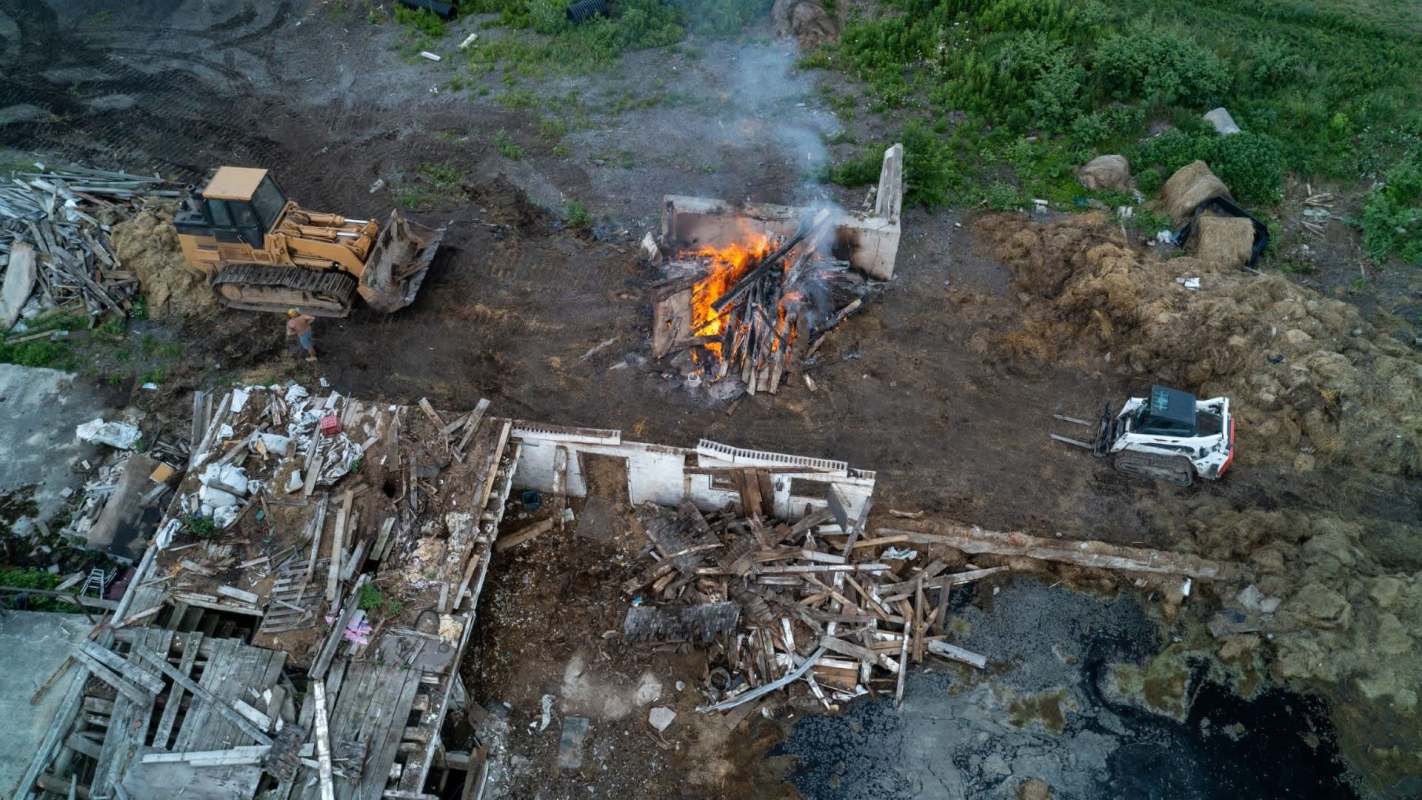
U.S. Rep. Donald Norcross is pushing for action on a dangerous problem that has repeatedly fueled fires at EMR's scrap metal recycling facilities in Camden, New Jersey, WHYY News reported.
His proposal centers on lithium-ion batteries, which the company says keep slipping into scrap loads and helping ignite blazes.
Here's what to know
According to WHYY News, Rep. Norcross is backing federal legislation to better detect and recycle lithium-ion batteries.
He has said the measure could reduce future fires at EMR, the multinational scrap metal recycling company that operates five facilities in Camden.
In Waterfront South, a New Jersey neighborhood where most residents are Black or Hispanic, some EMR fires have sent dangerous pollution into the air. Those fires have forced residents from their homes, and people there still face health issues linked to poor air quality. Because of the racial makeup of Waterfront South, this is yet another example of environmental racism.
More background
Common products including smartphones and electric bikes use lithium-ion batteries.
TCD Picks » Quince Spotlight
💡These best-sellers from Quince deliver affordable, sustainable luxury for all




EMR says those batteries are prohibited at its junkyards, but they still arrive mixed with other materials and can be difficult to spot.
Not everyone accepts that explanation as enough to address the company's responsibility.
Portia Simmons, who lives in Waterfront South and has congestive heart failure, said that she considers EMR's reliance on that explanation an "excuse."
"They're in almost everything now, but that's your job. You're a recycler. You should know how to do that," Simmons said.
Questions also remain about what caused some of the fires. A joint documents request from WHYY News and The Margin found that incident reports for three fires on EMR property listed the probable cause as undetermined.
David Wagger, chief scientist at the Recycled Materials Association, described lithium-ion batteries as an "existential threat" for the recycling industry.
What's being done?
EMR USA CEO Joe Balzano said existing commercially available technology is not yet ready to detect lithium-ion batteries inside scrap metal piles.
"I think there are solutions that are being developed," Balzano said. "I don't think that there's anything that's ready to be used in the industry yet."
After a court allowed EMR's shredder to restart in July, the company added more fire-safety measures in Camden.
The changes include thermal imaging cameras to identify hotspots in incoming material, procedures for separating incoming loads, a 24/7 fire watch, adjustments to the shredding schedule to reduce piling, and stricter standards for recycled material suppliers.
Balzano also said the site's automatic fire suppression system is tested every three hours.
That being said, Norcross stated the issue goes well beyond Camden.
"We're here to create a better disposal, a better recycling process. How do you literally find that needle in the haystack? That … is a national problem," Norcross said.
Norcross' bill hasn't moved forward yet in Congress. But it would tax battery manufacturers, help recycling companies pay for battery-detection equipment, and create grants for facilities that collect and recycle lithium-ion batteries.
Where can I learn more?
Norcross isn't wrong about improper battery handling being a problem in many places.
• Discarded vape cartridges are adding hidden lithium batteries to waste streams that recyclers struggle to control.
• Scientists say common flame-retardant additives can raise health concerns without reliably stopping battery fires.
• Researchers have developed safer lithium battery designs that could lower overheating and fire risks.
• A U.S. analysis found lithium demand could fall sharply with more recycling and smaller batteries.
Better disposal and recycling systems, and safer batteries themselves, could all help reduce the risk.

Get TCD's free newsletters for easy tips, smart advice, and a chance to earn $5,000 toward home upgrades. To see more stories like this one, change your Google preferences here.






