


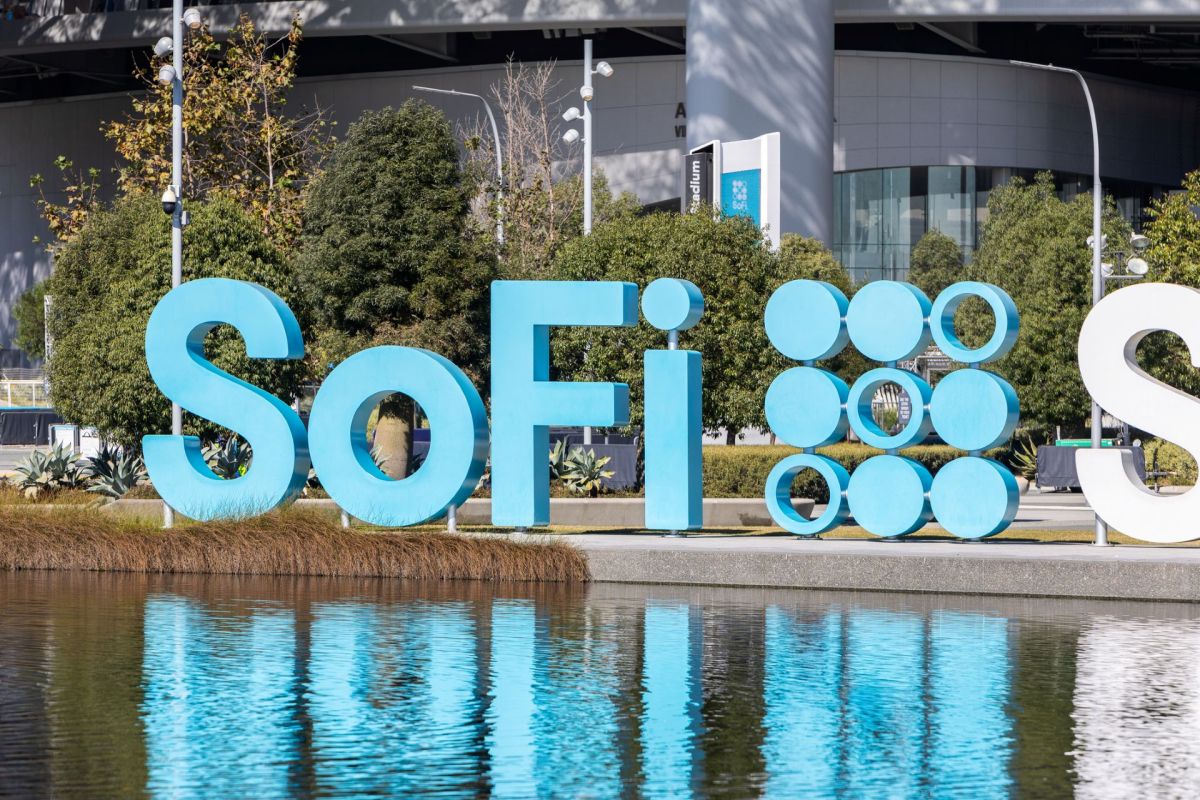
Americans carry nearly $2 trillion in student debt, but while students face interest rates as high as 18% on private loans, lenders including Sallie Mae and SoFi are reporting record results.
Here's what to know
In a TikTok by More Perfect Union (@MorePerfectUnion), producer and host Lucy Dean Stockton said caps on federal borrowing are pushing students into the private market.
She contrasted graduate federal loans, which she said average 8% interest, with private loans that can carry rates of up to 18%.
Borrowing $100,000 at an 18% rate could mean paying back over $370,000 across 20 years.
Stockton said private loans represent only 8% of all student debt yet generate over 40% of the student-loan complaints submitted to the Consumer Financial Protection Bureau.
"As a borrower of Sallie Mae, DON'T DO IT! My biggest life regret," one TikTok user wrote.
TCD Picks » Quince Spotlight
💡These best-sellers from Quince deliver affordable, sustainable luxury for all




More background
Stockton linked that dynamic to the One Big Beautiful Bill Act, saying it capped graduate borrowing at $200,000 for fields including law and medicine and imposed a $100,000 limit on other students.
Stockton argued that once those caps are hit, students may have to pay tuition out of pocket, borrow through costlier private loans, or drop out before earning a degree.
She noted 35% of students — graduate students included — said they might not complete school.
She also pointed out lender earnings, saying Sallie Mae reached a record $716 million in loan originations last quarter and that SoFi Bank likewise posted record figures.
According to Stockton, Sallie Mae teamed up with private-equity firm KKR to unlock more cash for additional loan originations, an arrangement that she said worried lawmakers.
She added that 40% of Americans — particularly low-income students and students of color — are effectively excluded from the private student loan market because of low credit scores.
What can be done?
Before signing up for private debt, borrowers can compare annual percentage rates, check whether a rate is fixed or variable, and calculate the total repayment cost over the life of the loan.
It can also help to exhaust lower-cost options first, including federal aid, scholarships, grants, work-study programs, tuition payment plans, and employer education benefits.
A school's financial aid office may also provide access to alternatives before a student turns to a private lender.
For borrowers with a loan-servicing problem, it's important to keep records and submit complaints to regulators to create a paper trail.
"Because Congress capped federal student loans, we may never meet all of the would-be doctors, lawyers, teachers, nurses, dentists that could have been," Stockton said.
Where can I learn more?
These articles look at similar loan issues and ways household budgets get squeezed — and who benefits.
• Major banks are using deceptive fossil-fuel financing tactics to keep profits flowing.
• Florida debt is lower than the U.S. average, but car loans, credit cards, and delinquencies run high.
• Backlash grows over wedding loans as couples cheer ceremonies under $400.
Rising costs rarely hit in just one place. These stories show how financial pressure can build.

Get TCD's free newsletters for easy tips, smart advice, and a chance to earn $5,000 toward home upgrades. To see more stories like this one, change your Google preferences here.






