


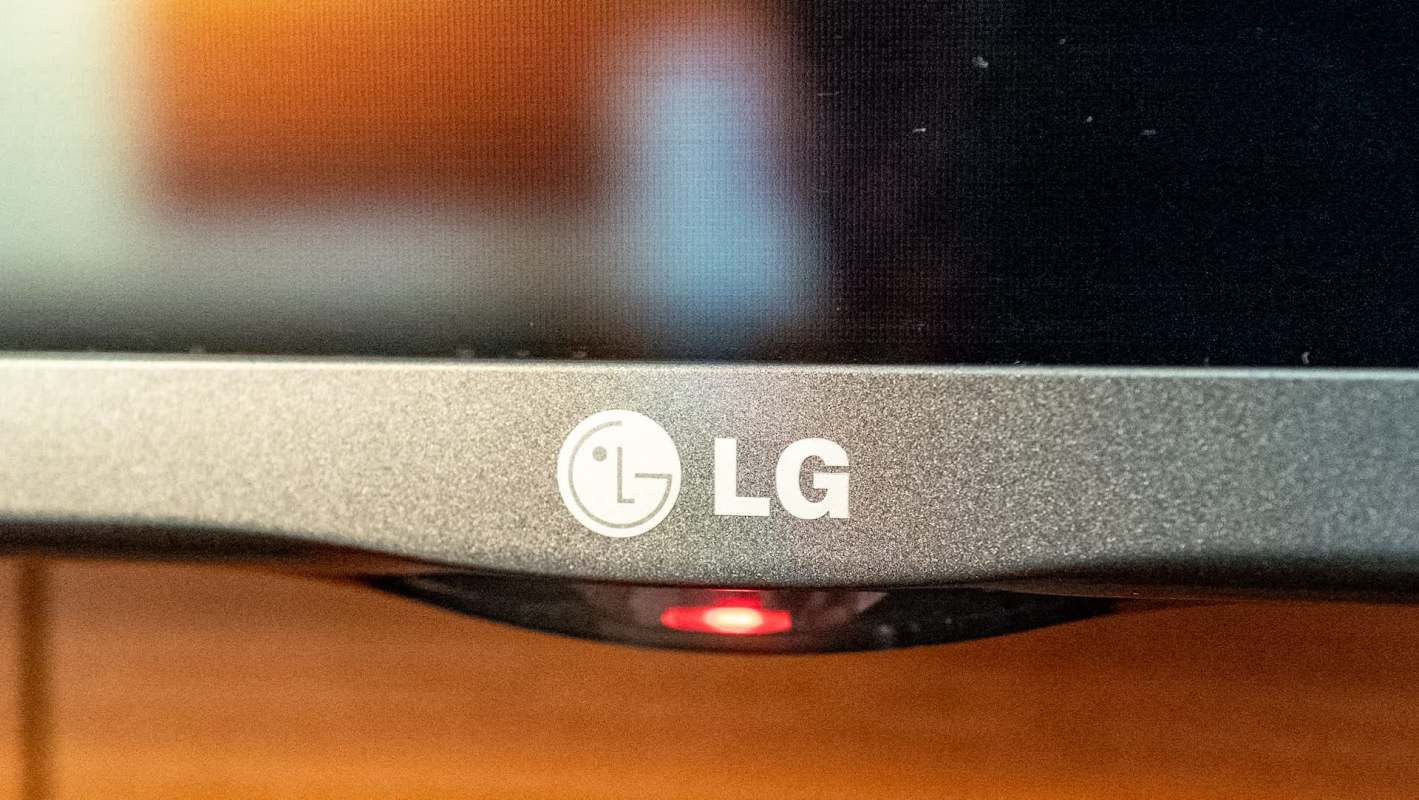
LG is pushing back against reports that its smart TVs were logging ambient conversations and uploading user data.
Even if some features are optional, many buyers may not realize how much data a connected TV can collect.
Here's what to know
After Gamers Nexus, Level1Techs, and independent security researchers alleged that some LG TVs were logging and uploading user data, LG pushed back, according to The Verge. The company said wake-word detection happens locally on the device and stated, "TVs do not continuously record or transmit users' conversations."
That response addressed one part of the criticism but not all of it.
Researchers were not focused on a yes-or-no question about constant listening but whether a device retained extensive logs of ambient speech after many users would assume a voice assistant had stopped paying attention.
LG described features such as automatic content recognition, voice recognition, and interest-based advertising as optional and said they are turned off by default.
TCD Picks » Quince Spotlight
💡These best-sellers from Quince deliver affordable, sustainable luxury for all




It added that ACR identifies content through audio fingerprinting rather than by collecting screen images, recordings, voice clips, or other audio.
More background
A television is often on for hours at a time with multiple people nearby, including children, guests, and family members who never agreed to be tracked.
Unclear privacy practices can become a consumer-protection issue, especially when buyers assume their TVs are there to display content rather than analyze behavior for ad targeting, recommendations, or other back-end uses.
LG's statement left large questions unresolved, including how much data it collects, who it may share that data with, how bad actors could misuse those features, and whether its privacy options are presented in a misleading way.
When a device is always connected, ambiguity itself can work against the customer, especially if the burden falls on users to find and disable features they never knowingly asked for.
What can be done?
Treat a smart TV like any internet-connected computer.
That means reviewing privacy menus, turning off voice and ad personalization features if you do not want them, and checking whether content-recognition tools are enabled.
It can also help to decline optional setup prompts, avoid linking accounts, and keep the TV's software up to date. If a television includes a microphone or voice assistant you never use, disabling it is a simple way to reduce risk.
More broadly, companies should make settings clear and readily accessible.
Privacy choices should be easy to find, explained in plain language, and structured so users can make informed decisions without digging through multiple menus.
A company may argue that a feature is optional, but if customers are not given a fair, transparent choice, the practical result can still be invasive.
Where can I learn more?
The questions surrounding LG's TVs speak to a broad issue with connected appliances. The same scrutiny has reached other LG products too, and it gets at a bigger concern: how much trust smart household devices have earned.
• LG also faced a nationwide lawsuit over refrigerator compressor failures and consumer complaints.
• At IFA 2024, LG unveiled energy-saving home appliances while expanding its connected-device footprint.
Convenience only goes so far when the same company continually causes concerns about privacy, safety, reliability, and accountability.

Get TCD's free newsletters for easy tips, smart advice, and a chance to earn $5,000 toward home upgrades. To see more stories like this one, change your Google preferences here.






