


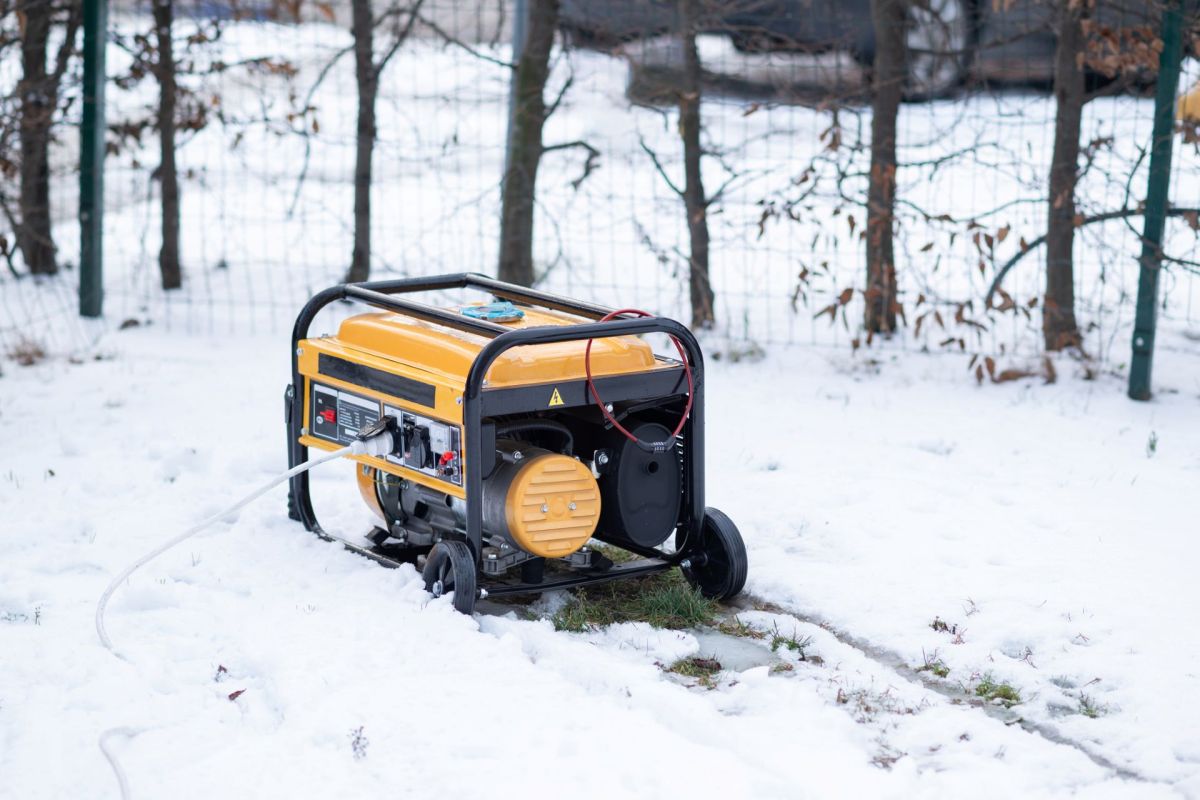
A generator can feel like the ultimate backup plan during a blackout — until an inexpensive maintenance item is missing when you need it most.
One owner's simple preseason check is a reminder that being prepared can save you during an emergency.
Here's what to know
In a Reddit discussion, the generator owner said they audited three machines ahead of the colder outage season and compared each unit's maintenance needs with the spare parts they already had stored.
Before rough weather arrives, the original poster said they wanted backup supplies sorted for a Generac xg8000e, a Workzone 2k Inverter, and an inherited Generac 7550exl. They said their compatibility check showed the two Generac models could use the same spark plug and oil filter, which made stocking extras simpler.
"Don't wait till you need them to find out that you don't have things like this on hand!" the OP said.
Model differences and conflicting online information can create confusion, so double-checking parts is especially important.
TCD Picks » Quince Spotlight
💡These best-sellers from Quince deliver affordable, sustainable luxury for all




More background
Portable generators are often treated as one-time purchases, but they work best when owners think of them as systems that need routine care. Oil changes, air filters, spark plugs, and periodic test runs all play an important role in whether the machine will actually work when the pressure is on.
Replies in the Reddit thread reinforced the idea of keeping routine service items nearby and verifying the machine still works before an emergency.
One commenter wrote, "Oil, spark plug, air filter. All good things to have on hand for the next outage. Also, of course, fuel."
Another said owners should not stop at buying parts and should confirm the generator still operates properly.
Keeping extra maintenance supplies on hand can be far cheaper than replacing spoiled groceries, paying storm-season prices, or losing time while searching for parts during a power failure. It can also be difficult to find these parts during an emergency when everyone else is shopping for the same things.
The OP also described the 7550exl as impressively capable, saying it could start a 2-ton air-conditioning unit while a fridge, freezer, a few lights, and box fans were already running.
What can be done?
Make a checklist before severe weather or the cold season arrives. Confirm the exact oil type, spark plug model, filter requirements, and fuel plan for each machine you own rather than assuming similar models take the same parts.
It can also help to label stored spares clearly, especially if you have more than one generator. That can prevent duplicate purchases or confusion during an outage, when time may be short and visibility limited.
Stocking supplies is important, but so is proving the generator can still produce power. Regularly running the machine and, when possible, checking it under load can tell you more than simply starting it and letting it idle.
"Start them, run them, and put a load on them to make sure they are still actually generating," the OP said. "It's a pain to do this, but it's worth the effort!"
Where can I learn more?
Generator prep is just one part of getting through winter outages. Tips on heating, seasonal energy use, and simple maintenance can help you avoid bigger problems later.
• As winters grow less predictable, electric snow blowers still offer a cleaner snow-clearing option.
• An expert shared a thermostat misconception that can quietly raise winter electricity bills.
• In winter, reversing a ceiling fan can push trapped warm air back down.

Get TCD's free newsletters for easy tips, smart advice, and a chance to earn $5,000 toward home upgrades. To see more stories like this one, change your Google preferences here.






