


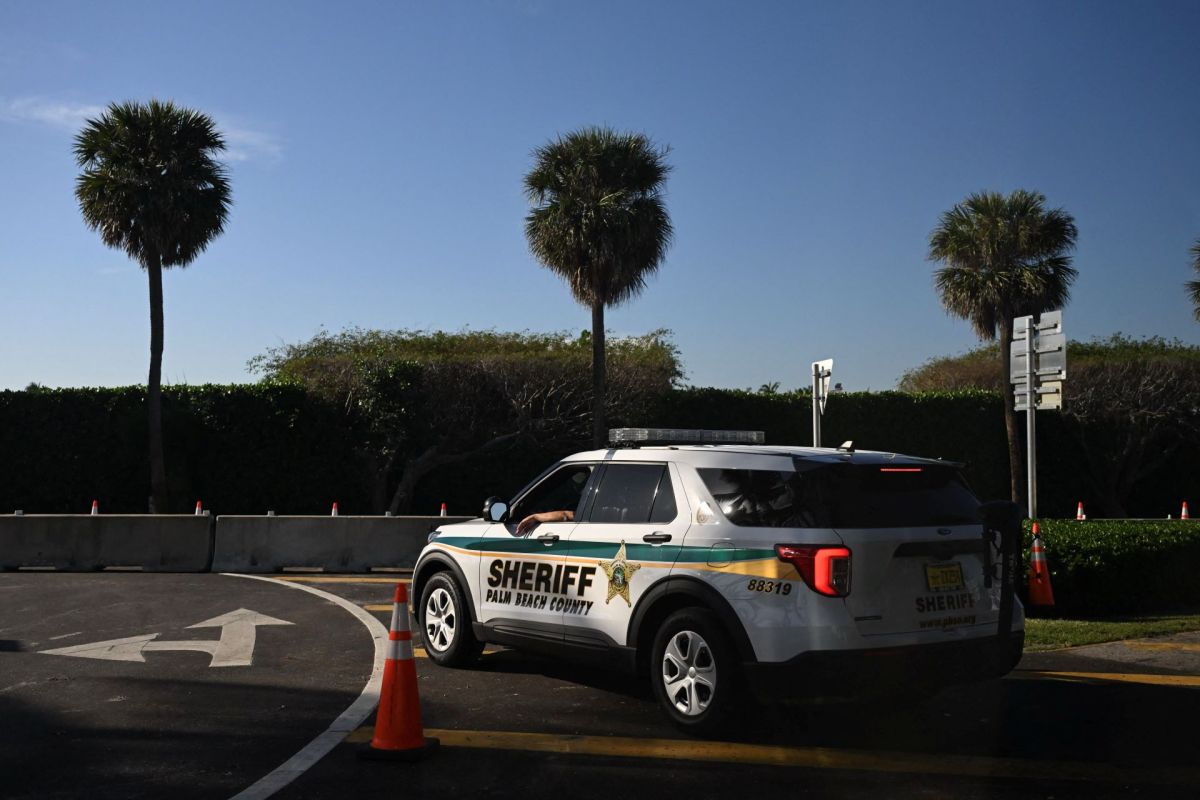
Palm Beach County taxpayers have funded more than $6.3 million in supplemental retirement accounts for 41 executives in Sheriff Ric Bradshaw's office since 2021, intensifying attention on an agency budget that county officials have already challenged.
Making matters worse, those payments are in addition to pensions and other compensation benefits.
Here's what to know
A Palm Beach Post analysis of public records uncovered the spending. Taxpayers fully fund 401(a) retirement accounts for senior PBSO executives, and for some employees the public contribution amounts to 20% of salary.
Separate from those accounts, sheriff's office employees also receive pensions through the Florida Retirement System, the paper said. Bradshaw was among those who received the added benefit, with $254,000 deposited for him from 2021 through 2024; the program made no deposits for him in 2025 or 2026.
In 2026, the Post found that 11 executives received $72,000 apiece in these accounts, among them Chief Deputy Robert L. Allen and Chief Operating Officer George Foreman. Both earn $352,752 annually, and each has accumulated a balance approaching $400,000 since 2021.
David Jaye, lead researcher for the public spending watchdog TripleDippers.org, strongly condemned the program.
TCD Picks » Quince Spotlight
💡These best-sellers from Quince deliver affordable, sustainable luxury for all




"When Florida property taxpayers are already funding guaranteed lifetime pensions, multimillion-dollar pension bonuses, and Social Security matches, adding a 100% taxpayer-funded 20% executive 401(a) account is outright taxpayer gouging," he told the Post.
More background
Compared with what many workers receive elsewhere, the benefit is unusually large. The Post, citing Vanguard, noted that many private-sector employers no longer provide 401(k) plans, and those that do often cap it at 5%.
PBSO also offers another 401(a) plan to employees below the rank of captain, but that program is financed by converting unused sick and vacation time rather than by direct taxpayer contributions. The executive plan differs because money from the public goes straight into those accounts, the publication said.
The financial impact is amplified because the accounts are layered on top of other compensation.
The Post reported that PBSO employs more than 100 people making at least $200,000 a year, nearly 900 workers with 20 or more years of service, and offers longevity bonuses worth up to 10% of annual salary. Agency budget documents further show that personnel costs account for nearly 80% of spending.
Since 2007, the Post reported, PBSO's budget has grown 216%, while departments controlled by the county commission have grown 67%, roughly matching inflation.
What's being done?
County commissioners have already begun to resist the increases. The Post reported they asked the county's Office of Management and Budget to explain why PBSO spending has risen much faster than inflation.
Even after a $20 million cut, the newspaper said, the proposed budget for the next fiscal year still increased 7%, while commission-controlled departments declined 2%.
At a public budget meeting, commissioners shifted $16 million from PBSO's $21 million surplus into the county's general budget despite Bradshaw's objections. They also asked for a more detailed accounting before moving ahead.
Questions about PBSO spending now extend beyond the executive retirement accounts. The Post reported that nearly 40 employees had been rehired shortly after retiring, sometimes at the same pay and sometimes in newly created positions. After the newspaper inquired about the practice, Bradshaw said retiree rehires would end effective Oct. 15.
Where can I learn more?
The debate over PBSO's executive retirement accounts is part of a larger backlash over how taxpayer dollars are spent.
• In Kano State, Nigeria, a leaked memo revealed luxury cars for officials, fueling taxpayer backlash.
• In Washington, Homeland Security drew fire after requesting a $50 million private jet despite spending concerns.
• Critics said the General Services Administration's choice to shutter EV chargers wasted taxpayer dollars during shutdown planning.

Get TCD's free newsletters for easy tips, smart advice, and a chance to earn $5,000 toward home upgrades. To see more stories like this one, change your Google preferences here.






