


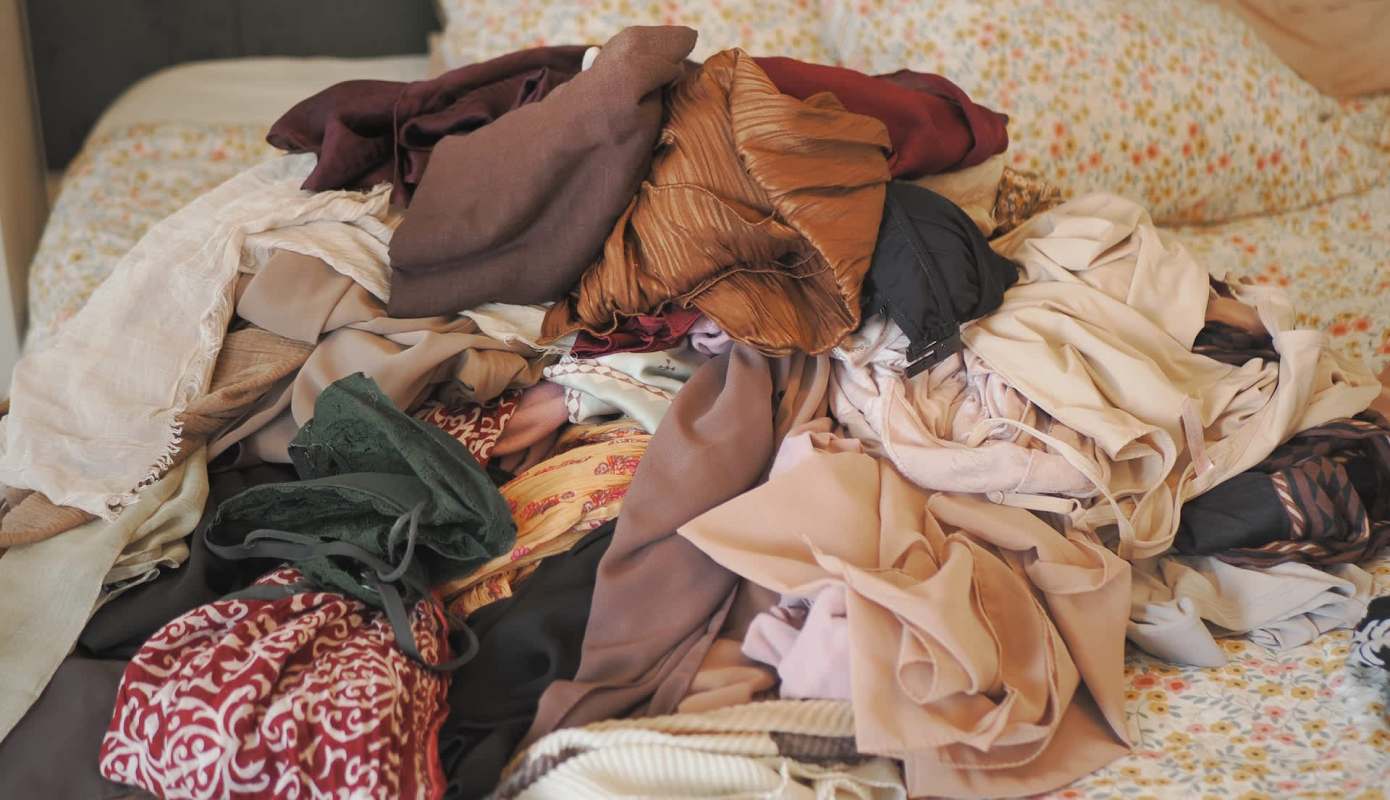
A low price tag can look like a smart way to save on clothing, but that math changes quickly when the items wear out or just sit in the closet unused.
Here's what to know
On Reddit, one poster said they no longer treat the cheapest option as the best deal and now think more about whether a piece belongs in their wardrobe at all.
"I used to think saving money on clothes meant buying the cheapest option," they wrote. "Then I realized I was replacing those things constantly because they lost shape, didn't feel good, or just stopped exciting me."
They said the better measure is how much use an item actually gets.
"A dress I wear twenty times is a better purchase than something I loved for five minutes after opening the package," they declared.
Commenters largely agreed. One person argued that "cost per wear is the way to go."
TCD Picks » Quince Spotlight
💡These best-sellers from Quince deliver affordable, sustainable luxury for all




More background
Across the discussion, people kept returning to the same idea. A garment's real value is tied less to its purchase price than to its comfort, frequency of use, and ability to avoid becoming closet clutter.
That perspective may also cut down on wasteful spending. Repeatedly replacing weak basics or grabbing cheap impulse purchases can end up costing more in practice. Several people in the thread said their pricier or mid-range pieces usually see the most use, while inexpensive spur-of-the-moment buys often let them down.
Some commenters also described ways they manage the clothes they already have.
One person said they "mercilessly purge" unworn items twice a year. Another commenter said the "spin the hanger technique" each January helps reveal what never gets worn.
Overall, the conversation championed wardrobes that are smaller, more deliberate, and simpler to use every day.
What can be done?
People in the thread shared a handful of takeaways. For example, a pair of jeans worn weekly for years can be a far better deal than a trendy item worn once and forgotten.
Another suggestion was to buy repeats of pieces that have already proven themselves.
"Once I find something that fits well and actually lasts, I'd rather buy a few of the same thing than start the search all over again," a commenter shared.
That approach can mean less time spent searching for new replacements. Secondhand shopping was another option raised in the discussion. One commenter said they get most of their clothes from thrift stores, which makes it easier to change their mind later without much regret.
Tracking wear can be useful too. A commenter said using Stylebook to catalog clothes and monitor cost per wear has helped shape their shopping choices.
Where can I learn more?
The cost-per-wear idea comes up in all kinds of clothing decisions, from buying an outfit for one event to washing pieces in ways that wear them out faster.
• A shopper called new outfits for every event one of their biggest regrets.
• Even beginners found a simple darning fix could keep worn socks going longer.
• For many shoppers, saving big by thrifting made thoughtful wardrobes easier to build.
• In Kenya, one person showed how quickly castoffs become waste.

Get TCD's free newsletters for easy tips, smart advice, and a chance to earn $5,000 toward home upgrades. To see more stories like this one, change your Google preferences here.






