


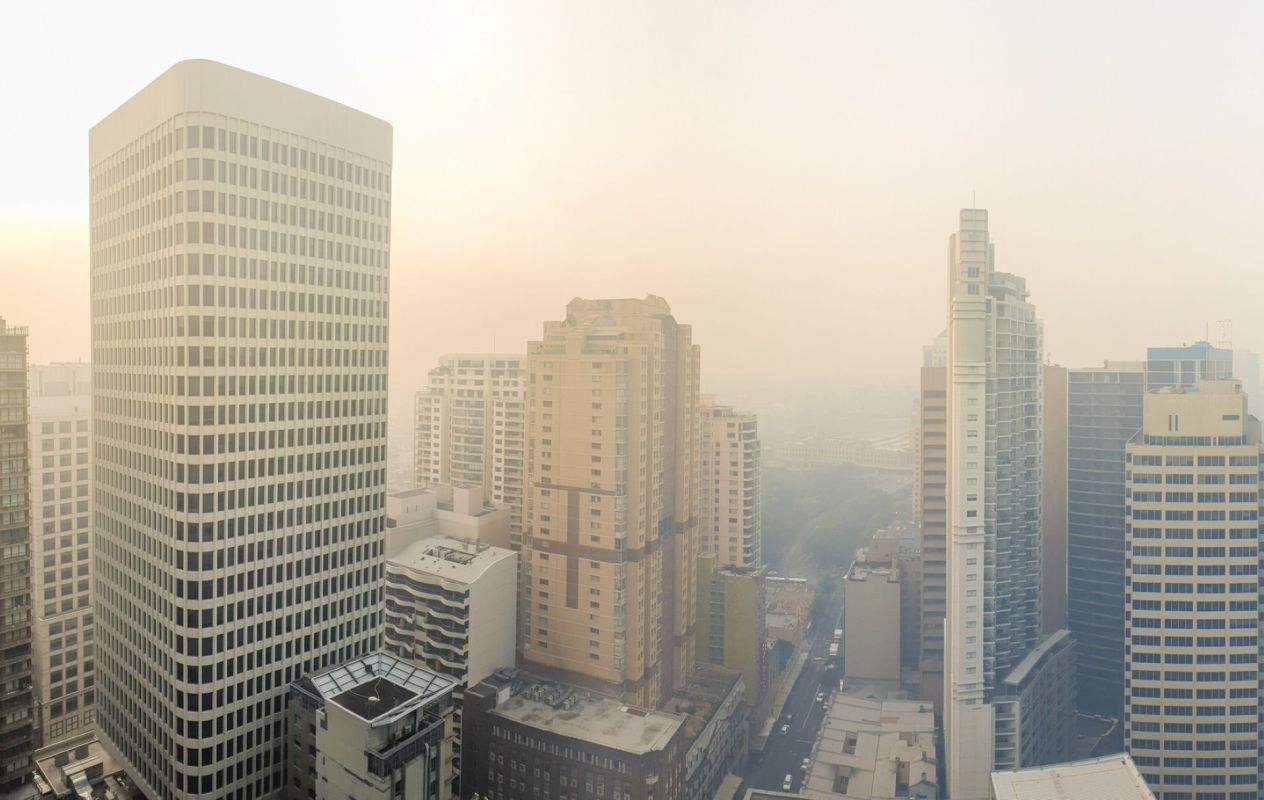
Thick smoke drifted across multiple Sydney suburbs, turning familiar streets into gray, low-visibility scenes and prompting residents to wonder what was burning.
The haze was linked to hazard-reduction burns, which are intended to lower future fire risk but can significantly worsen local air quality in the short term.
Here's what to know
7NEWS Australia (@7newsaustralia) posted a video report on TikTok explaining the smoke haze in several areas.
@7newsaustralia Multiple suburbs across Sydney are experiencing thick smoke haze from hazard reduction burns being conducted by the Rural Fire Service. #smoke #fire #haze #sydney ♬ original sound - 7NEWS Australia
The video showed aerial footage and street-level scenes of smoke hanging over neighborhoods, and the outlet said multiple Sydney suburbs were being affected by haze from Rural Fire Service hazard-reduction burns.
The report noted that due to a lack of wind, residents could expect the smell to persist early in the day. They added that the Rural Fire Service (RFS) recommended closing doors and windows in the meantime, and advised those with asthma to stay inside.
In the comments, TikTokers noted they had noticed the effects.
TCD Picks » Quince Spotlight
💡These best-sellers from Quince deliver affordable, sustainable luxury for all




One viewer wrote, "I smelt it," while another added, "Smells bad in Colyton...."
"Explains why I can't FKN BREATHE," a poster wrote dramatically.
More background
Across Australia, planned burns are a routine part of fire management, particularly in places where dry vegetation can make bushfire season more intense. Agencies use them to reduce fuel under controlled conditions so later fires are less likely to move quickly or cause greater destruction.
"This is all, of course, in preparation for what is being dubbed a supercharged fire season thanks to a dangerous combination of a super-sized El Niño weather system and what are being called flash droughts," the 7NEWS report explained.
The report noted that those droughts act as a "warm hairdryer on already warm conditions." In that light, the burns seem prudent.
"We are using our brain now," a TikToker applauded.
Still, smoke from those operations can become a public health concern even when the fire itself is planned. Fine particles in smoke can irritate the eyes, nose, and throat, and they may be especially difficult for children, older adults, and people with asthma or other heart and lung conditions.
Even healthy people may experience headaches, chest tightness, or shortness of breath when smoke lingers over suburbs, while those with preexisting conditions may need to change plans or limit time outdoors.
What can be done?
Even with the temporary haze they can create, hazard-reduction burns remain one of the main ways fire agencies try to lower the odds of more destructive bushfires.
When the haze is heavy, staying indoors, closing windows and doors, and avoiding strenuous outdoor activity can help. People driving through smoky areas can also switch car ventilation to recirculate interior air.
For households with vulnerable family members, it can help to keep medications nearby and watch for worsening breathing symptoms. If smoke irritation becomes severe or does not improve, seeking medical advice may be necessary.
Checking on neighbors, older relatives, or anyone with respiratory conditions can also make a difference during smoky periods, especially when the smell and haze spread across multiple suburbs at once.
"The RFS is no doubt facing a dangerous summer ahead, and they're doing everything they can right now to prepare," 7NEWS concluded.
Where can I learn more?
What happened in Sydney is part of a much bigger air-quality problem. From planned burns and wildfires to chronic urban smog, communities from Oklahoma to Lahore have dealt with the same kind of disruption when haze settles in.
• In Oklahoma, smoke went straight into lungs as storms fueled dangerous wildfire conditions.
• Across the US East Coast, smoke from Canadian wildfires turned skies hazy and routines upside down.
• In Lahore, off-the-charts smog choked neighborhoods as residents reached for masks and relief.
• In Delhi, experts warned air rivaled smoking cigarettes as pollution reached punishing levels.
• In Chester, Pennsylvania, families said children literally cannot breathe near long-running industrial pollution.
Even when the source is a planned burn, smoke hanging over homes and roads can feel urgent fast. That is especially true for people who already have trouble breathing, which is why air-quality events like this hit so close to home.

Get TCD's free newsletters for easy tips, smart advice, and a chance to earn $5,000 toward home upgrades. To see more stories like this one, change your Google preferences here.






