


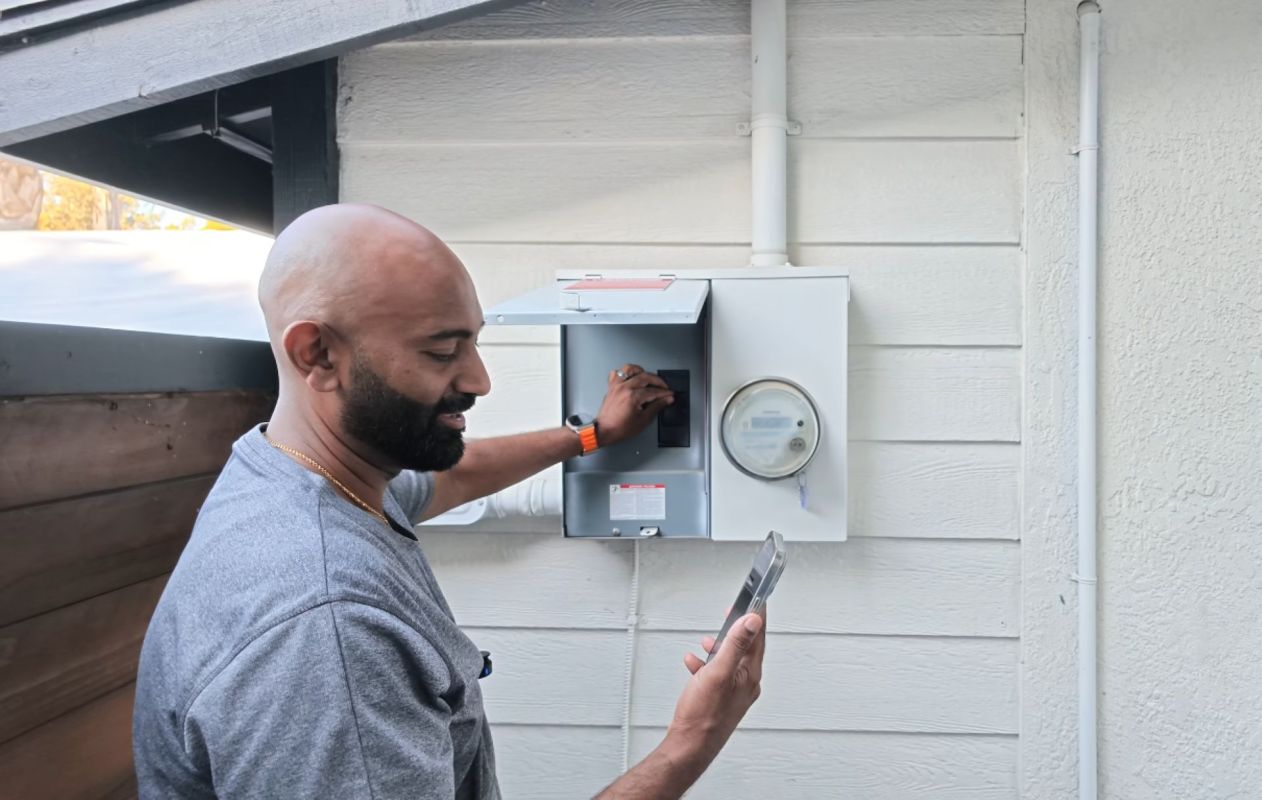
A home in the San Diego area became the site of a 48-hour blackout experiment that showed how much support rooftop solar and battery storage can provide when utility power disappears.
The idea was not to ration electricity down to a bare minimum. Instead, the family kept using the house in roughly its normal pattern, including the air conditioning, refrigerator, computers, lights, and other everyday needs.
Here's what to know
In a YouTube video, Ricky, the creator of Two Bit da Vinci (@TwoBitDaVinci), joined his friend Adam, a homeowner, to take the house off-grid for two straight days to test Anker's new SOLIX E10. Even with summer heat and uneven solar output, the system made it through.
Adam's home had 30 kilowatt-hours of battery storage, while Ricky ran a larger setup at his own house. Both homes finished the 48-hour trial, but Adam's results were especially notable.
A big reason was his highly efficient heat-pump air conditioner. It kept operating in hot weather without forcing major cutbacks, and the house still had plenty of stored power after a full day and night.
One day brought clouds and rain, cutting into solar output.
At Ricky's house, heavier power demand made the situation much tighter, and he eventually said, "If this holds up, we will not make it through the night," as his backup supply dropped.
The side-by-side comparison showed that battery capacity is only part of the picture. Adam's HVAC setup used much less power, while Ricky said his older system could pull about 5,000 watts and still struggle to cool the house.
Save $10,000 on solar panels without even sharing your phone number Want to go solar but not sure who to trust? EnergySage has your back with free and transparent quotes from fully vetted providers that can help you save as much as $10k on installation. To get started, just answer a few questions about your home — no phone number required. Within a day or two, EnergySage will email you the best local options for your needs, and their expert advisers can help you compare quotes and pick a winner. |

Going solar is one of the best ways to save money on home energy, especially for households already considering backup power. If you're considering rooftop panels, EnergySage lets you get free solar installation estimates and compare quotes.
More background
As blackouts, heat waves, and severe weather push more households to prepare, batteries paired with solar can do far more than keep a phone charged. They can help preserve food, maintain internet access, and keep critical home systems operating during an outage.
The video also highlighted an alternative to the usual generator-first approach. With the E10, batteries handle the core backup role, while a tri-fuel generator recharges the system only when it's needed.
That approach can save time, reduce maintenance burdens, and make outages less disruptive for homeowners.
More From EnergySage
💡Go deep on the latest news and trends shaping the residential solar landscape
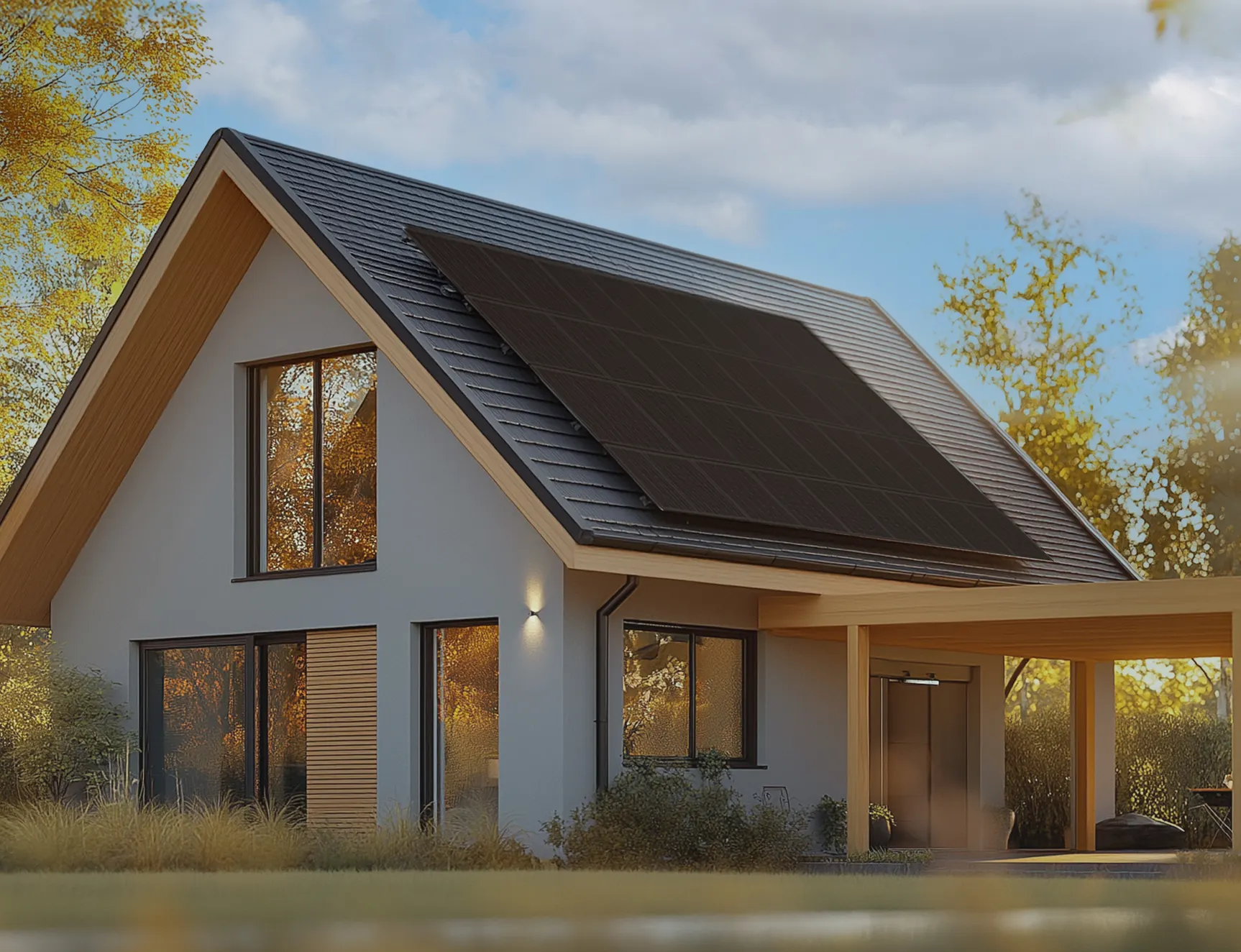
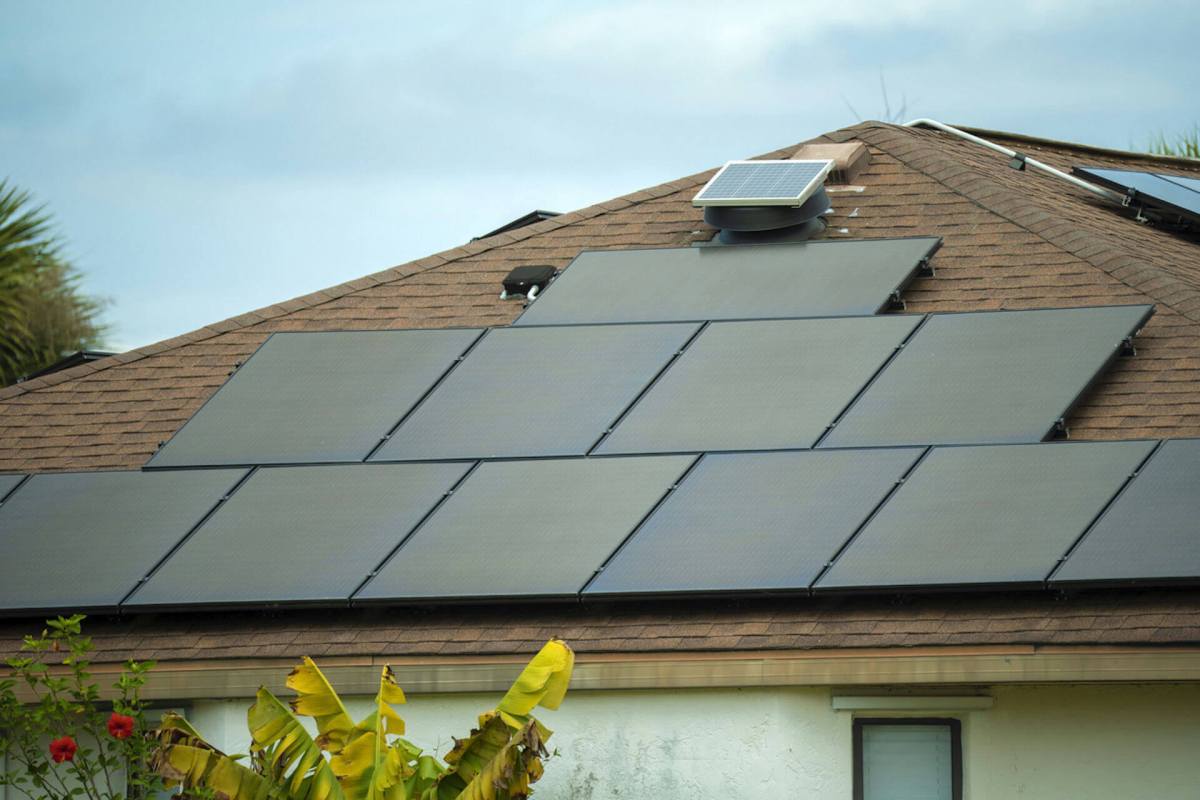
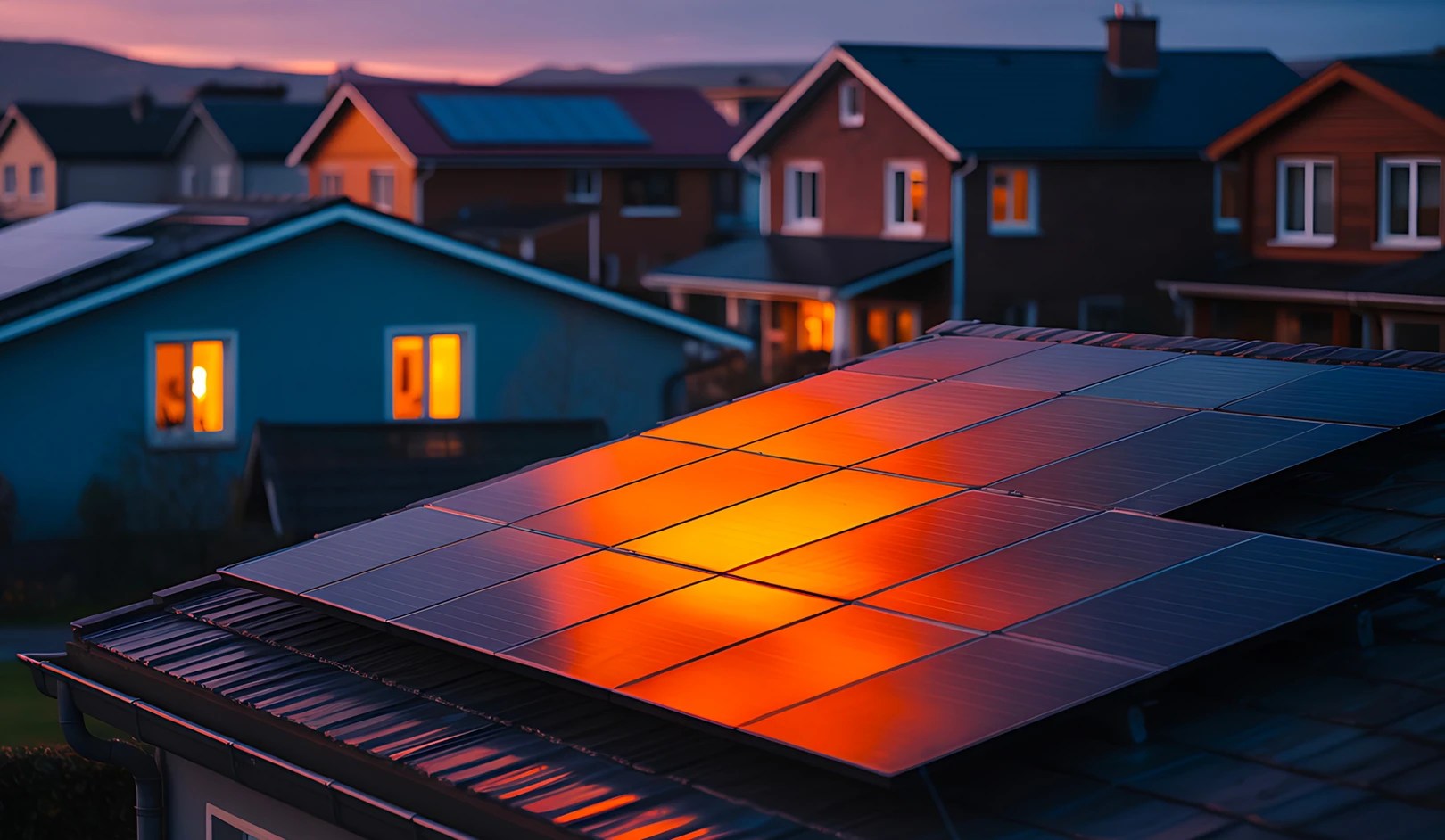

Not everyone needs a massive off-grid system. A thoughtful combination of solar, battery storage, and efficient appliances can stretch backup power much further.
What can be done?
Adding battery storage to a solar setup is one of the best ways to protect your home during outages, save money on energy, and go off-grid. It can also make daily life easier by helping households use more of their own power instead of buying as much from the utility. If you're interested in home battery storage options, including competitive installation estimates, you can explore EnergySage.
EnergySage's free services can also help take some of the guesswork out of shopping for solar. With EnergySage's help, the average person can save up to $10,000 on solar purchases and installations. You can also use EnergySage's solar map, which shows the average cost of a home solar panel system by state, along with details on solar panel incentives for each state.
"So, off-grid challenge complete. We both did it. And this Anker SOLIX E10 system very impressively powered this house for 48 hours," Ricky said.
Where can I learn more?
Here are a few stories that show how solar and battery systems hold up when the grid goes down, whether an outage lasts a few hours or a couple of days.
• During a 48-hour outage, a homeowner said an off-grid battery system kept her family comfortable.
• On one block, a solar-and-battery setup kept running after the whole street went dark.
• In Tennessee, an off-grid family said their long-running solar system may rarely need a generator.
• In rural Indonesia, villagers gained solar power that stays on deep into the night.
What runs through all of them is that reliable backup power depends on more than just battery size. That's a useful perspective for anyone weighing solar, storage, and efficiency upgrades before the next outage.

Get TCD's free newsletters for easy tips, smart advice, and a chance to earn $5,000 toward home upgrades. To see more stories like this one, change your Google preferences here.






