


For households looking to cut grocery costs and avoid last-minute store runs, an organized pantry can do far more than store extra cans and pasta. It can buffer against rising food prices, bad weather, and the chaos of everyday schedules.
One off-grid family is taking that concept a step further by building a tiny grocery store inside their home — a dedicated space designed to keep staples in one place and support a more self-sufficient routine.
Here's what to know
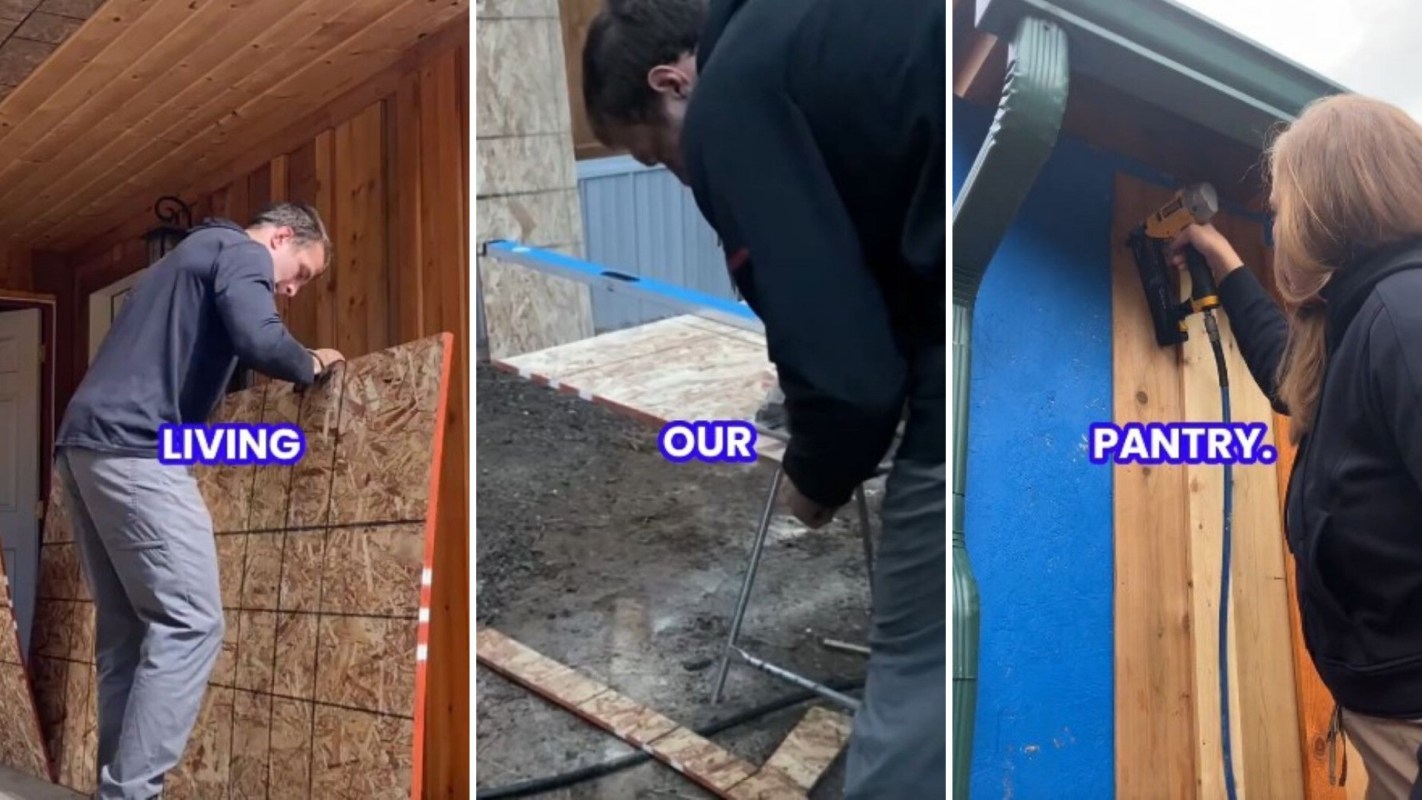
The Wild North Family recently posted a TikTok showing the opening stage of that DIY pantry project: a newly framed room intended to serve as a central place for food storage.
@wildnorthfamily Part 1 of building our own little off grid grocery store. What would you want in your dream homestead pantry? Special shoutout to our friends who helped us build this so quickly! Follow for part 2… #offgridlife #pantry #diy #partone #homestead ♬ original sound - wildnorthfamily
A pantry setup — whether it's an entire room or a single shelf — can help households buy staples in larger and less expensive quantities, avoid duplicate purchases, and plan meals around what they already have at home.
More background
As grocery prices remain a major concern for many households, more people are thinking about how to build a backup supply of essentials without making life unnecessarily complicated.
That doesn't mean everyone needs an off-grid lifestyle or a custom-built pantry room. Living off-grid comes with major trade-offs, and it may not be practical or appealing for most homeowners, much less renters.
TCD Picks » Quince Spotlight
💡These best-sellers from Quince deliver affordable, sustainable luxury for all




But even a well-planned pantry can help households break the expensive habit of repeatedly buying the same handful of items at full price. When ingredients are visible and easy to track, it becomes much easier to rotate older products forward and use what's already on hand.
Keeping shelf-stable foods and meal basics stocked can also provide peace of mind during storms, power outages, or other disruptions that make grocery shopping harder than usual.
What can be done?
Most people don't need a "little grocery store" to borrow the best parts of this approach. A closet, cabinet wall, basement shelf, or utility-room corner can serve the same purpose on a smaller scale.
A practical place to start is by making a list of the foods your household actually uses each week: rice, beans, pasta, oats, canned tomatoes, peanut butter, broth, or shelf-stable milk, for example. From there, adding one or two extra items during regular shopping trips can build a useful reserve without turning the process into an expensive overhaul.
Where can I learn more?
The following TCD stories look at the bigger picture around pantry planning and self-sufficiency, especially for families juggling off-grid routines, tight budgets, and everyday meal prep. They echo the same idea: Better food storage can make day-to-day life easier, even if you're working with something much simpler than a custom pantry room.
• An off-grid family folded meal planning into daily savings while stretching staples and battery power.
• In Tennessee, a homeowner proved that going off-grid with almost no money can still work.
• For would-be off-gridders, a real-world understanding of permits and inspections can prevent expensive mistakes.
And remember: Self-sufficiency tends to work best when storage, budgeting, and realistic planning all line up.

Get TCD's free newsletters for easy tips, smart advice, and a chance to earn $5,000 toward home upgrades. To see more stories like this one, change your Google preferences here.






