


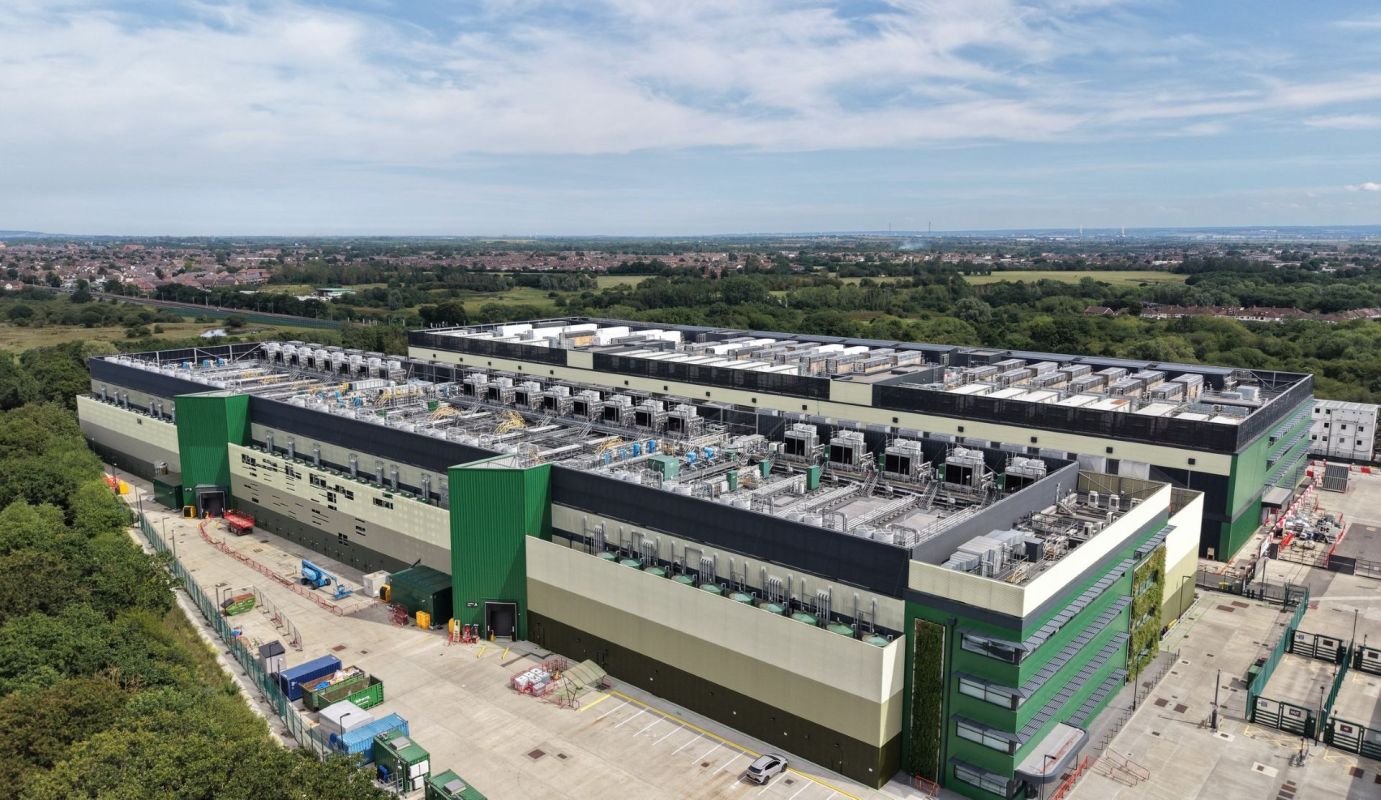
The race to build more AI infrastructure may come with another alarming side effect: a major expansion in the production of "forever chemicals."
Campaigners warn that the same surge driving demand for chips and data centers could also lock communities into more pollution, higher cleanup costs, and greater health risks from PFAS.
Here's what to know
In ChemSec's survey, cited by The Guardian, almost all of the 10 biggest PFAS manufacturers had plans to expand production, and companies often pointed to chip making and data center cooling as important drivers of growth.
PFAS, short for per- and polyfluoroalkyl substances, are valued for their resistance to heat, water, and corrosion. But that same durability means they can remain in the environment for extremely long periods.
Companies such as Daikin, Arkema, and Chemours are explicitly linking some of their investments to AI-related demand, The Guardian reported.
Among the examples ChemSec highlighted, Daikin said it was rolling out a "datacentre hub" to meet demand, while Arkema said a new $60 million production unit in Kentucky "will enable us to follow the rapid expansion of data centers' cooling needs."
TCD Picks » Quince Spotlight
💡These best-sellers from Quince deliver affordable, sustainable luxury for all




"These companies' expansion plans show that unless governments and regulators insist on a rapid phaseout, we will face a new tidal wave of forever chemicals," said Anne-Sofie Bäckar, executive director of ChemSec.
Research has linked PFAS contamination to illnesses including cancer, liver disease, kidney problems, high cholesterol, and birth defects, raising concerns that AI's rapid growth could undermine progress toward cleaner air, safer water, and healthier communities.
More background
One reason demand is rising is that PFAS are used in "two-phase immersion cooling," a system marketed as a way to cool data centers while using less water and energy. In these systems, servers sit in a PFAS liquid that boils at a low temperature, drawing heat away from the hardware before condensing and cycling back.
PFAS are also deeply embedded in semiconductor production. A Danske Bank investor note said: "In the world of microchips, these 'forever chemicals' are not merely peripheral additives; they are essential ingredients integrated into as many as 1,000 distinct steps at the nanometric level."
PFAS help enable technologies people use every day, from phones and laptops to electric vehicles, but they also accumulate in soil, water, and air, and move through the food chain. Scientists have warned that these chemicals have already crossed a planetary boundary and are believed to be present in the bloodstream of almost everyone.
What's being done?
As The Guardian reported, Swiss company Archroma is shifting toward PFAS-free alternatives, and German chemical giant BASF says it plans to leave PFAS production by 2028.
Restrictions on PFAS are being considered or are already moving forward in Europe, the U.K., and parts of the U.S. ChemSec warned that an industrial expansion tied to AI could make those efforts harder by increasing dependence on the chemicals.
The group also used a more personal tactic, sending finger-prick blood tests to CEOs at all of the European companies in its top 10 list and asking them to publish their results. "The people who lead them must understand that they too are affected by the toxins they produce, which have been detected in the blood of more than 99% of people worldwide," said Bäckar.
Where can I learn more?
The AI buildout driving up PFAS demand is also pressuring power grids and fueling new climate policy fights. The stories below show how data center growth is reverberating beyond servers and chip fabs, from rising gas use in Britain to electricity crunches and regulation battles in the U.S.
• In Britain, 100 data centers turn to gas, threatening the country's climate targets.
• In the U.S., limits on electricity generation are colliding with tech companies' AI ambitions.
• In Congress, public health and climate concerns are being sidelined as AI expands.
AI's environmental footprint extends well beyond chip factories and chemical plants. With data center demand climbing, the tensions around energy, pollution, and regulation are getting more difficult to brush aside.

Get TCD's free newsletters for easy tips, smart advice, and a chance to earn $5,000 toward home upgrades. To see more stories like this one, change your Google preferences here.






