


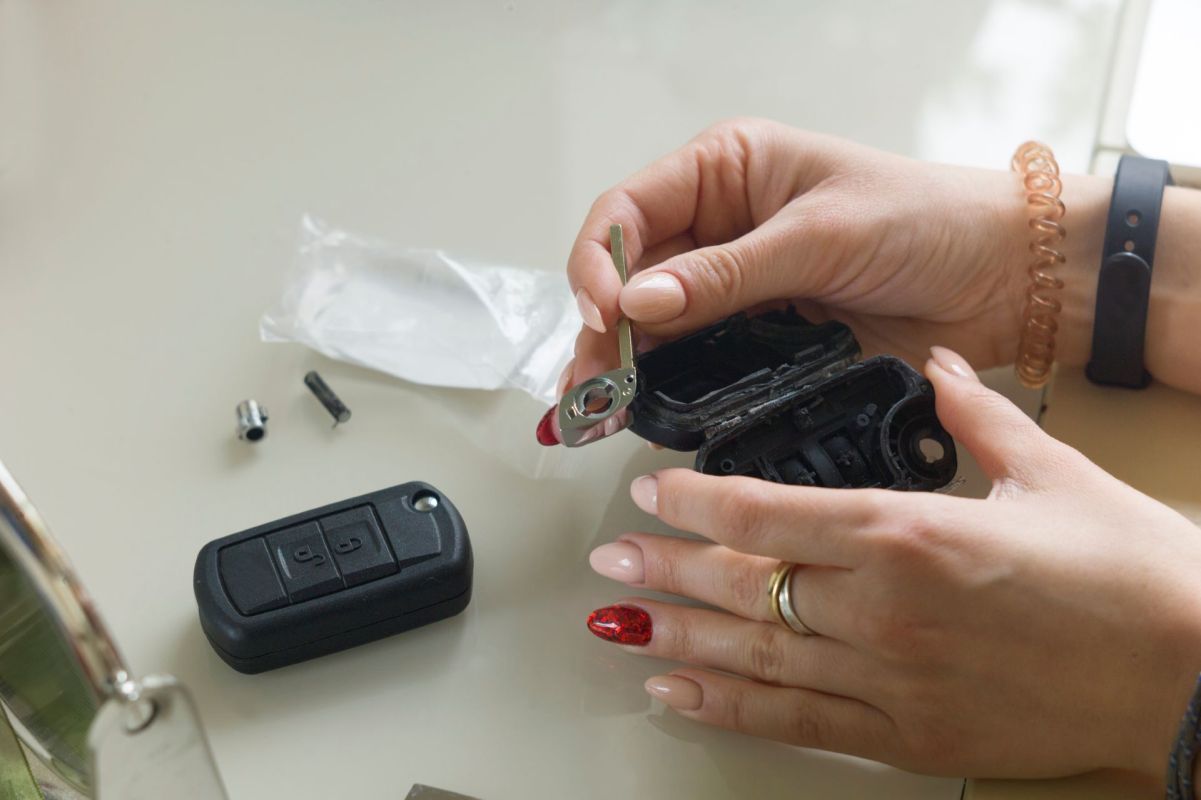
A question in Reddit's Frugal forum about unlikely repairs people chose over replacements prompted a flood of thrift-minded fix-it stories.
As you would expect from a group of savings-minded DIY types, the examples were all over the map.
Here's what to know
"I want to hear about the repairs that probably made absolutely no sense financially but somehow worked," the original poster wrote.
Users shared stories that involved everything from small household parts to lawn-care gear.
"My furnace died last winter and I fixed it with a butter knife and a nail file," they said. "The heat sensor was gunked up, so I cut the power, used the butter knife to undo the flathead screw, and used the nail file to sand off the buildup. I felt like MacGyver."
One commenter said another Reddit thread helped them avoid buying a new EGO lawn mower battery that had stopped charging. They tilted the pack forward about 45 degrees and dropped it roughly a foot onto a hard surface, and it started working again.
TCD Picks » Quince Spotlight
💡These best-sellers from Quince deliver affordable, sustainable luxury for all




"I felt like the Fonz," they quipped.
The comment section also highlighted less dramatic saves, including a deadbolt that worked again after grease and grime were cleaned out, a car fob rescued after it went through the wash, and towels that were repaired rather than thrown away.
More background
These stories revolved around everyday products that people rely on and often replace quickly when something goes wrong.
A replacement battery pack, lockset, or car fob can be expensive, while a problem that looks beyond saving may turn out to be dirt, moisture, buildup, or a loose part.
Keeping electronics, appliances, and household goods in use longer means less waste heading to landfills and less demand for brand-new replacements. Even modest fixes, such as cleaning out a mechanism or mending towels, can buy households time before they need to spend again.
What can be done?
A practical first step is to pause before replacing something and check for the simplest cause.
Many common problems come down to issues that can be rectified.
Still, not every improvised repair is a good idea. If a problem involves a gas line, electrical system, or safety hardware, it makes sense to shut off power, consult the manual, and call a professional.
For low-risk items, basic habits can help. Keeping a toolkit, saving model numbers, looking up repair guides, and searching for fix-it discussions are easy steps to take before buying a replacement. A few minutes of troubleshooting can sometimes turn a would-be expense into an easy save.
Based on the thread, it might be well worth it.
Where can I learn more?
Thrift-minded instincts can save money, time, and goods, as cleaning, basic maintenance, and simple reuse can keep everyday essentials working longer.
• A homeowner found an ingenious furnace-maintenance trick that could head off costly repair calls.
• A TikToker showed how cleaning refrigerator condenser coils can cut bills and prevent breakdowns.
• Zero-waste users keep old glass jars in circulation instead of buying more containers.

Get TCD's free newsletters for easy tips, smart advice, and a chance to earn $5,000 toward home upgrades. To see more stories like this one, change your Google preferences here.






