


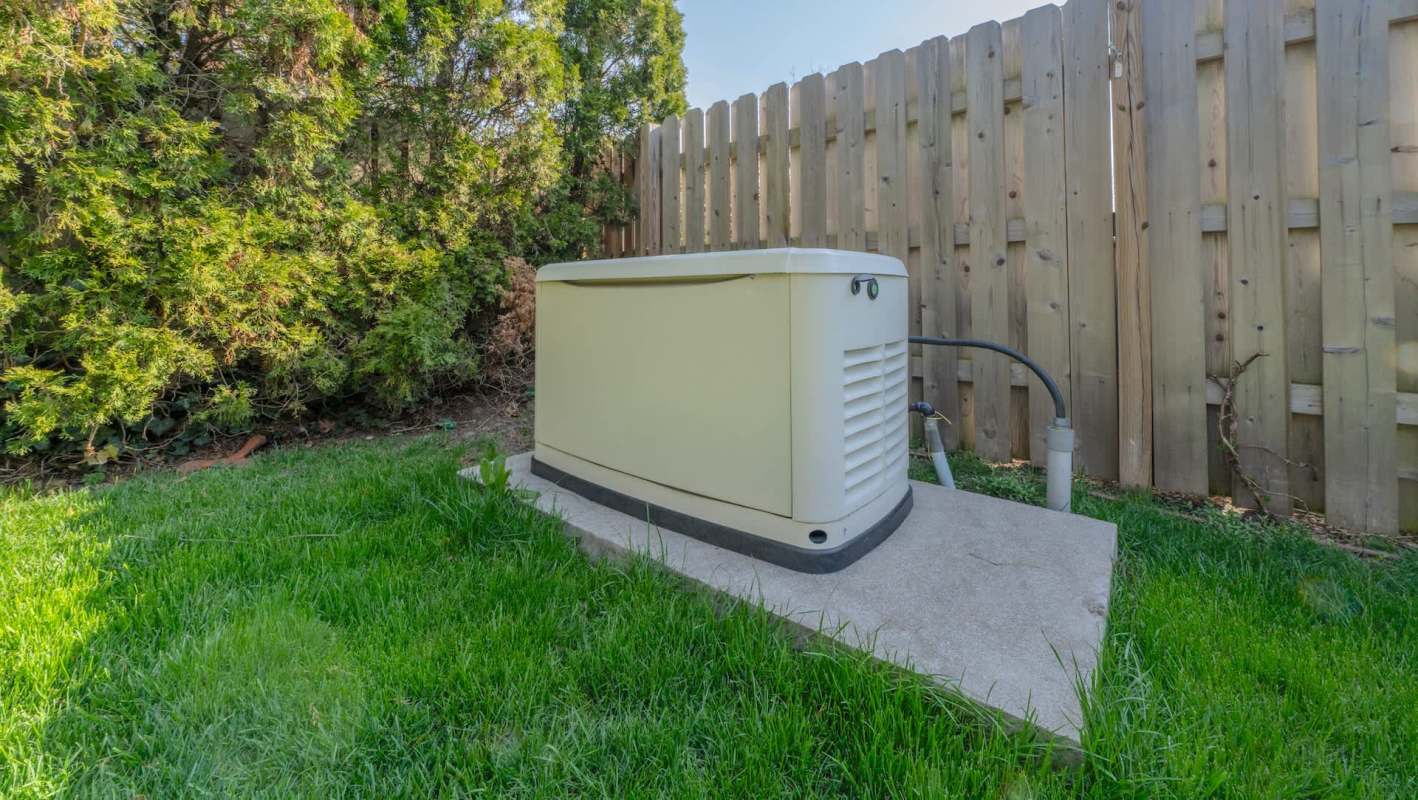
A backup generator is supposed to protect homeowners from the high cost of power outages, not leave them with another expensive headache.
Here's what to know
In Reddit's r/Generator community, the original poster described a situation where their neighbor installed a generator while they were on vacation. Unfortunately, the generator was installed dangerously close to the property line, and sits "8 inches from the top of the fence."
The OP then wrote that, "I worry about fumes and the exhaust heat, also potentially what I am able to now put in this area… He is running it everyday for a 30hr break in period and the fence gets hot and the exhaust comes up over the top of the fence into my dining area."
Finally, the OP asked, "Has anyone ever dealt with anything like this? Or have knowledge they can share? I just feel stuck."
In the replies, users said setback questions like this are usually decided by local code rather than by a single nationwide standard.
Another reply shifted the focus from the lot line alone to the space between the houses, asking, "What does the fire department think about the obstacle-free access clearance between houses? (In addition to the heat/exhaust issue.)"
TCD Picks » Quince Spotlight
💡These best-sellers from Quince deliver affordable, sustainable luxury for all




A homeowner in Texas said the issue can change quickly depending on local enforcement and what gets built next door. "The city inspector explained to me [that] those people will have to relocate their generators if a neighbor ever decides to bring their fence forward," the commenter wrote.
Instead of risking that outcome, the same commenter said they chose a costlier location for their own unit, adding, "We paid an extra 5k to have the generator put in the backyard."
A third user wrote, "You should have raised these concerns when he first told you he was getting the generator. You can ask him to move it but that will be costly."
More background
In neighborhoods where homes are close together, generator placement can become a problem even if it looks acceptable at first. These units give off heat and exhaust, and the area between houses may also need to stay clear for emergency access, so a later fence, shed, or other structure could create an issue.
If the generator will run regular self-tests, talking with neighbors about the timing can also help avoid frustration and keep a practical home upgrade from turning into a neighborhood dispute.
Another commenter put the warning bluntly, saying, "DO NOT install a generator on the property line! Your neighbor has the right to put a shed, fence, or any other structure where they want it on their property. Your generator will be considered the safety hazard and will no longer be permitted."
Where can I learn more?
Questions about generator setbacks often touch the same problems that drive other neighbor disputes: safety, access, and where one property owner's plans start affecting the next.
• A homeowner feared a dangerous landscaping setup creeping toward the property line.
• On Reddit, neighbors said to contact the city over a risky driveway project.
• A neighbor's warning about tree-killing vines left a homeowner questioning a front-yard hazard.
If you're planning a generator install, the takeaway is simple: a few inches can make a costly difference. Property-line decisions that seem minor on paper can get expensive fast once neighbors, inspectors, or future buyers have concerns.

Get TCD's free newsletters for easy tips, smart advice, and a chance to earn $5,000 toward home upgrades. To see more stories like this one, change your Google preferences here.






