


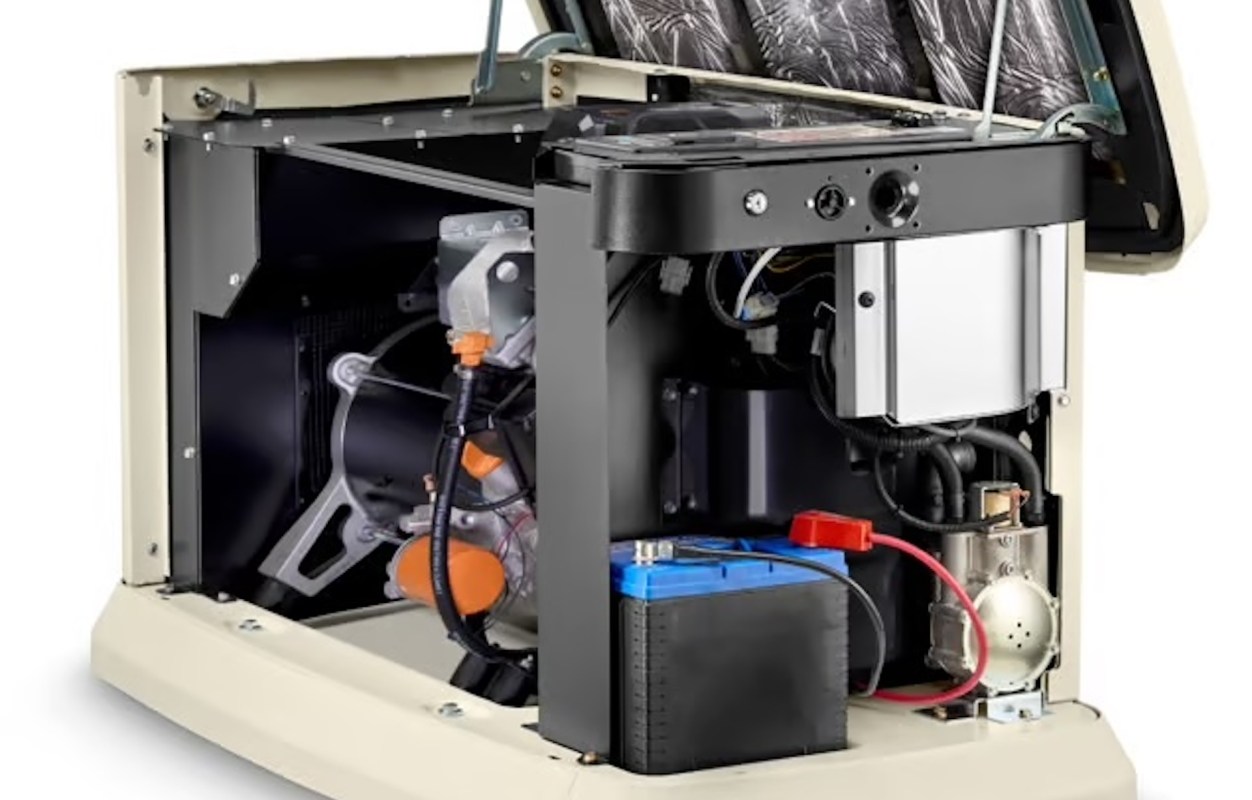
A homeowner comparing backup-power options sparked an online discussion after asking how large a standby generator should be for an all-electric house, and when paying for more capacity stops being worth it.
Here's what to know
The main question in the discussion on Reddit's r/Generator forum was whether a 22-kilowatt Generac was the right fit for an all-electric home built around a geothermal TEV49 ClimateMaster system.
The homeowner said an installation quote came in at $13,500, with the generator set to go beside the meter, electrical panel, and gas regulator. This original poster then asked whether people with comparable setups had chosen about the same capacity.
OP wrote that their "Goal is to not worry about unplugging things when there is an outage, but at the same time I don't need to be roasting my dinner in the oven and running the dryer."
Replies were generally split between pricing and brand-shopping. Some users said the quote sounded in line for a standby install, while others advised getting comparison bids from Kohler and Briggs & Stratton.
Among those weighing in was a 24-kW Generac owner who wrote, "Sounds like a reasonable quote to me." That same commenter also suggested researching the newest models before making a final decision.
TCD Picks » Quince Spotlight
💡These best-sellers from Quince deliver affordable, sustainable luxury for all




A different user wrote, "I've heard Generac quality has been declining… During a recent outage my coworker used his Briggs for 7 days straight. His neighbor's Generac failed on day 2."
More background
Sizing mistakes can get expensive for multiple reasons. Excess capacity may mean paying for output that rarely gets used, while too little generator capacity can force a household to manage loads during an outage.
With commenters placing installed standby costs around $13,500 to $14,000, and one person saying buyers may spend "$15k to $20k," choosing the right size can clearly materially affect the overall value.
Startup demand matters most in homes that run largely on electricity, because equipment such as heat pumps, water heaters, and well pumps can create sharp surges when they first turn on. As one commenter with a smaller all-electric house put it, "My house is small...about 1500 sq ft. but the 24kw runs everything in my house."
For many households, a standby unit's job is to keep food, water, and basic comfort intact through a long outage, which makes reliability as important as the upfront price.
What can be done?
The most useful way to size a generator is to start with actual electrical demand, especially the single appliance that creates the largest startup surge. In this situation, that likely means the geothermal compressor, so a licensed installer or electrician should verify the load before the homeowner spends more for a 28-kW system they may not need.
Commenters also encouraged collecting quotes from multiple brands. Even if $13,500 is a competitive installed price, comparing warranties, equipment, and service support can help a homeowner avoid spending thousands on a system that may be harder to maintain or less dependable.
Homeowners can also save money by deciding whether they truly want whole-home backup or simply seamless coverage for essential circuits. That kind of planning can lower the upfront bill, reduce fuel use, and still keep the most important systems online.
Where can I learn more?
If a geothermal system is pushing you toward a bigger generator, it helps to look at the HVAC side of the equation too. These stories show how rebates, local incentives, and lower day-to-day cooling demand can change the math on whole-home backup.
• In North Carolina, homeowners can get paid $8,000 for efficient HVAC systems.
• In Lincoln, Nebraska, residents can stack $5,800 in incentives for new heat pumps.
• One homeowner cut upgrade costs after scoring an enormous rebate on a brand-new HVAC system.
For someone deciding between 22 kilowatts and 28, trimming heating and cooling demand can matter just as much as paying for more generator capacity. A house that uses less power is easier to match with a backup system that fits.

Get TCD's free newsletters for easy tips, smart advice, and a chance to earn $5,000 toward home upgrades. To see more stories like this one, change your Google preferences here.






