


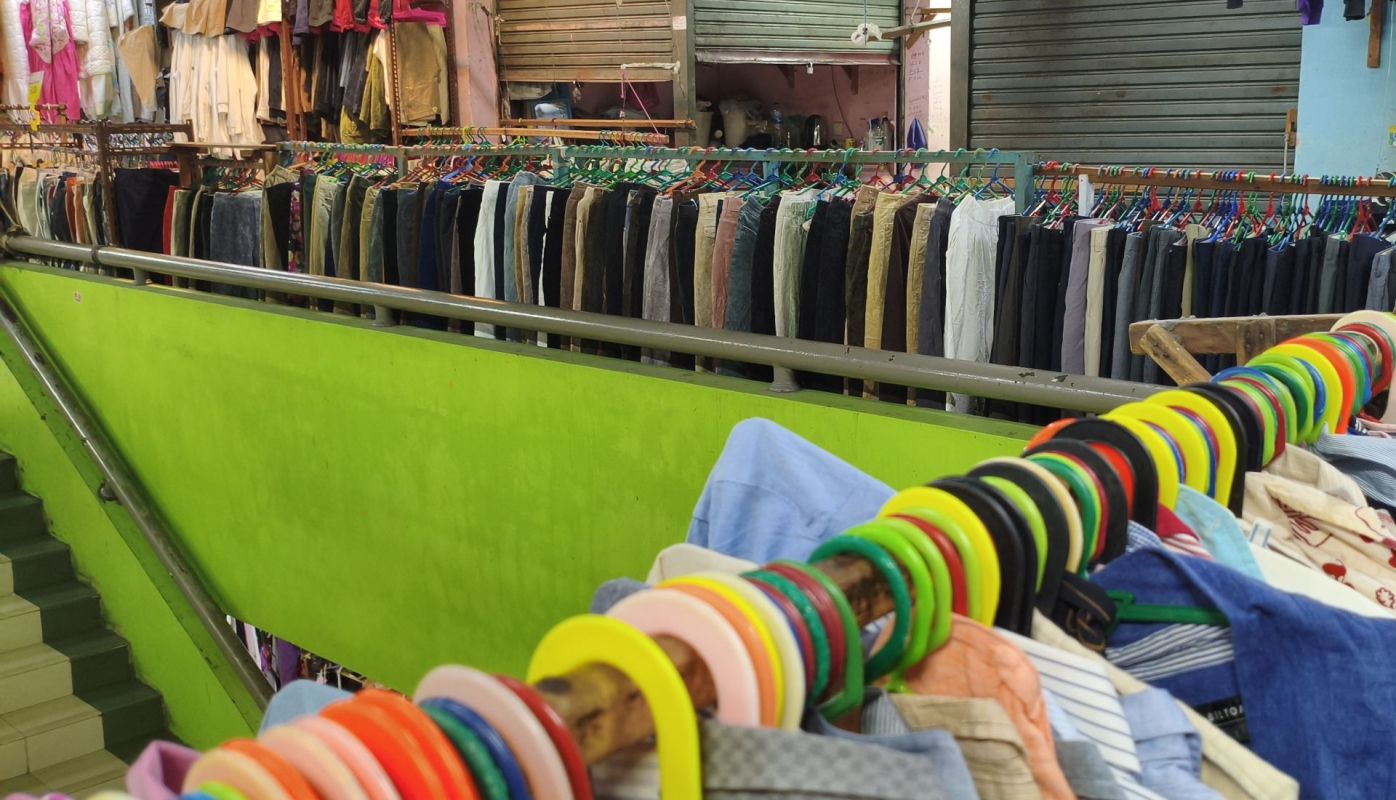
Inflation is reshaping how Americans shop in the U.S., as everyday costs remain high and more people turn to thrift stores and resale platforms for lower prices, one-of-a-kind finds, and alternatives to buying new.
Here's what to know
Federal inflation tracking now reflects the rise of secondhand buying, as NewsNation reported. The Bureau of Labor Statistics has added used clothing to the Consumer Price Index, demonstrating how much resale shopping has grown within consumer spending.
New clothing has become more expensive, and April's inflation rate came in at 3.8% compared with a year earlier. That represents the quickest annual increase in three years.
Rachel Michelin, president of the California Retailers Association, said convenience is also helping drive the shift as resale options continue to expand online and in stores.
"A lot of websites make it easy to do that," she told NewsNation. "I know a lot of the stores with furniture have made it very accessible. And I think people are looking for those deals. People across the U.S. always look for a discount. And there's a lot more opportunity now than there used to be."
She also noted that younger shoppers have embraced thrifting for years, a habit that is becoming even more appealing as affordability concerns intensify.
TCD Picks » Quince Spotlight
💡These best-sellers from Quince deliver affordable, sustainable luxury for all




More background
The appeal goes beyond lower-priced clothing. Americans are also shopping secondhand for furniture, home décor, and other everyday goods.
Thrifting can help people save money on purchases and sometimes uncover vintage or artist-made items that may not be available in traditional retail stores.
Virginia Chamlee, author of "Big Thrift Energy," said sustainability is also part of the growing appeal.
"That's something that younger generations really want and are seeking now," she explained to NewsNation.
For many consumers, thrifting is both a practical decision and a values-based one.
What can be done?
Jackets, dishes, lamps, shelves, and even small furniture pieces can often be found for far less than retail.
It also helps to shop strategically. Make a list, inspect items carefully for quality, compare resale prices online, and stay open to buying used when brand-new prices feel out of reach.
Michelin and Chamlee both pointed NewsNation to retailers incorporating resale and reuse into their operations as consumer preferences continue to evolve.
A ThredUp report, cited by the outlet, projected that the U.S. market for secondhand apparel will top $78 billion by 2030. The appeal is stretching beyond just saving money.
"I also think there's a uniqueness to thrifting," Chamlee concluded to NewsNation. "You can find pieces made by artists and pieces that are vintage that you can't find anymore because they're no longer produced."
Where can I learn more?
Higher prices are sending more Americans to thrift stores, where resale is taking on a bigger role in everyday spending. Secondhand shopping can cut annual costs and keep more clothing in circulation.
• Across the U.S., thrift stores report a surge as inflation pushes more shoppers to resale.
• Americans can save hundreds each year by thrifting instead of buying new clothes.
• In the U.S., Gen Z is helping keep more textiles from landfills as resale expands.
That momentum helps explain why used clothing now factors into federal inflation tracking. It's also a sign that thrifting is becoming a regular budget strategy for more shoppers.

Get TCD's free newsletters for easy tips, smart advice, and a chance to earn $5,000 toward home upgrades. To see more stories like this one, change your Google preferences here.






