


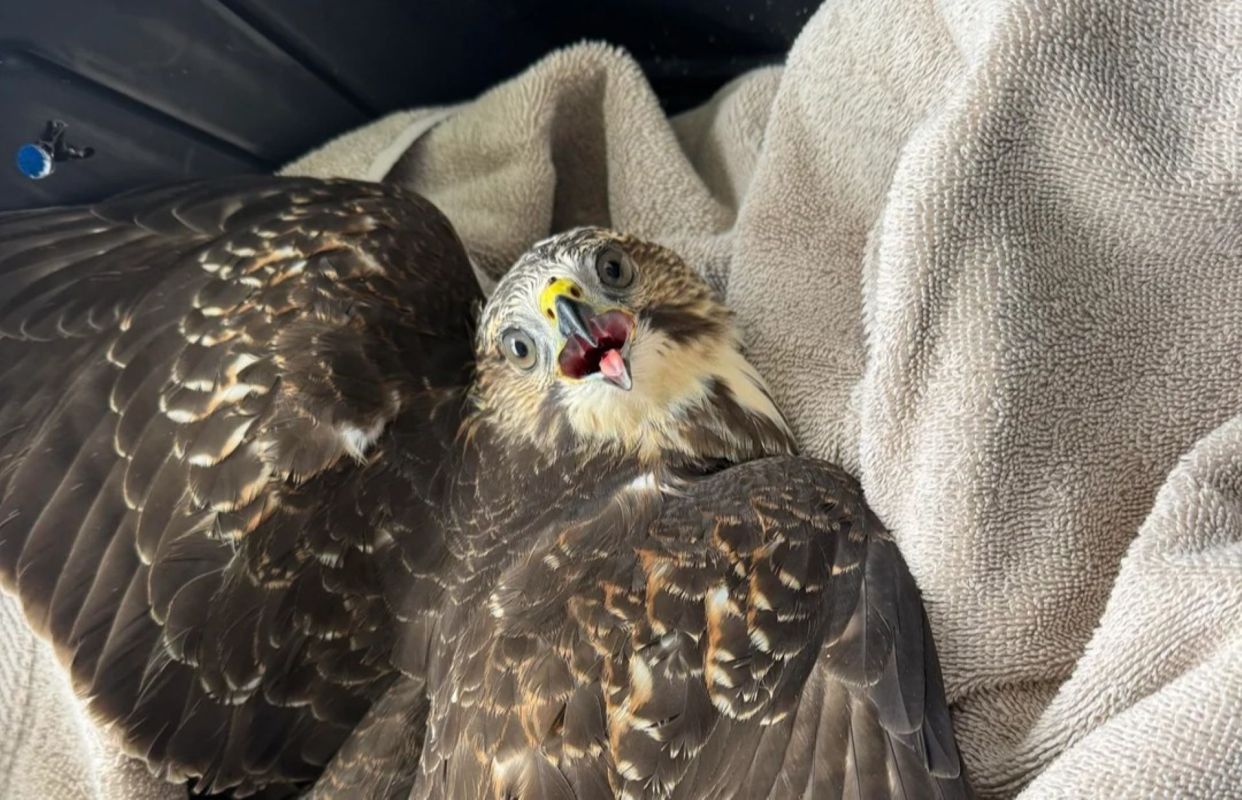
A former wildlife rescue volunteer in Nova Scotia offered a vivid reminder that helping injured animals often comes down to ordinary people acting quickly.
In this case, a roadside raptor made it from a stranger's hands to professional care within minutes.
Here's what to know
The account appeared in a post on Reddit. The poster said on r/WildlifeRehab that their friend FaceTimed them when a man came to the door with a bird he had found on the road.
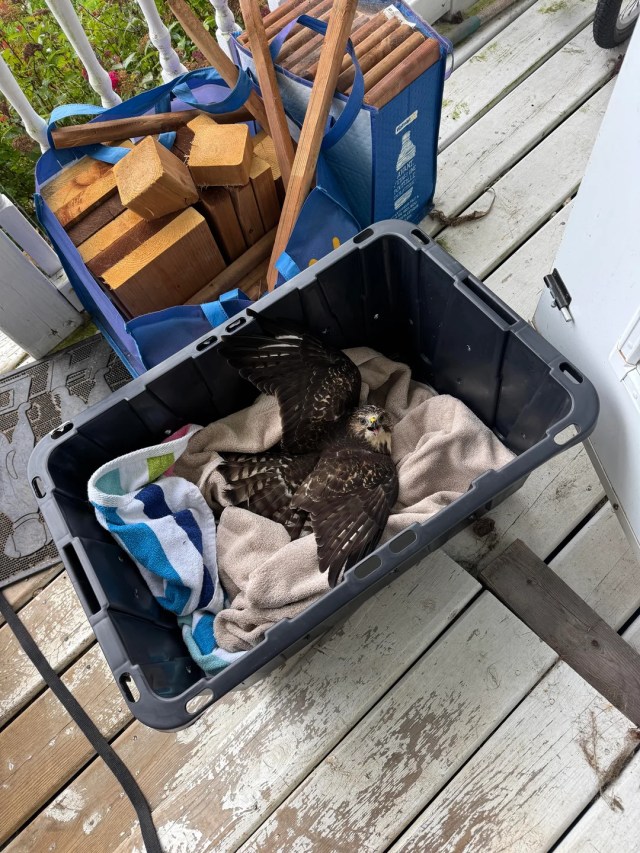
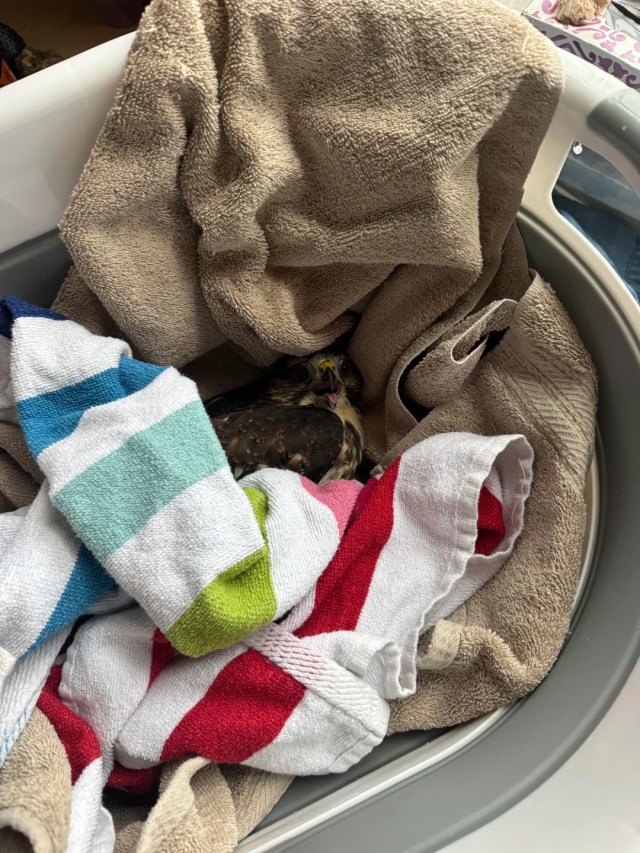
About 10 minutes later, the juvenile raptor was on the former volunteer's deck, where they checked it before sending it to Hope for Wildlife. The bird's stunned expression caught Redditors' attention.
"I can't help but giggle at birds with faces of perpetual shock," a user wrote. "Just hope she's not too stressed out."
Blood in the bird's mouth made a vet visit the obvious next step, even though it was alert enough to move its wings and talons and, as the poster wrote, "won herself a new glove in the process."
TCD Picks » Quince Spotlight
💡These best-sellers from Quince deliver affordable, sustainable luxury for all




Wildlife rehabilitation often depends on members of the public making that first call before trained professionals take over treatment and recovery.
More background
The former volunteer did not try to handle the bird's injuries alone. Instead, they relied on an established rescue organization and focused on getting the animal safely contained and in the right hands.
After one user criticized the poster over their handling of the raptor, the poster said they had covered the bird again, moved it into a safer tote, and checked with a contact to make sure the container was suitable.
A raptor that appears "good but stunned," as the poster described it, can still require a full examination. Birds of prey are strong but easily stressed, and it can be hard for untrained people to evaluate them accurately.
The post also drew praise for Hope for Wildlife.
"They do amazing work," one commenter wrote.
What can be done?
People can help by knowing when to call a wildlife expert.
"The chain of trust here, stranger to friend to you to Hope for Wildlife, is exactly how these rescues work," a user wrote. "Feisty enough to earn a glove sacrifice is usually a good sign."
Community support can also strengthen rescue networks. People who want to help can look into taking local environmental action or supporting organizations by donating money to climate action causes.
Though the poster said they were "currently a one-car household" and "on rescue hiatus," they still helped connect the bird with care.
They also added that "working with Hope has been a highlight of my life."
Where can I learn more?
Getting an injured wild animal to a rehab center often starts with volunteers and quick decisions.
• At England's Reading Festival, donated towels became a fantastic cheap bed for recovering wildlife.
• In U.K. woodlands, volunteers saw litter trapping animals in ways that make cleanup urgent.
• Wildlife expert John Griff warned that feeding wild animals can leave them vulnerable.
• Deep in the forest, hikers found despicable trash left behind despite Leave No Trace rules.
• On local trails, hikers uncovered a disgusting scene that seasoned walkers say shouldn't happen.

Get TCD's free newsletters for easy tips, smart advice, and a chance to earn $5,000 toward home upgrades. To see more stories like this one, change your Google preferences here.







