


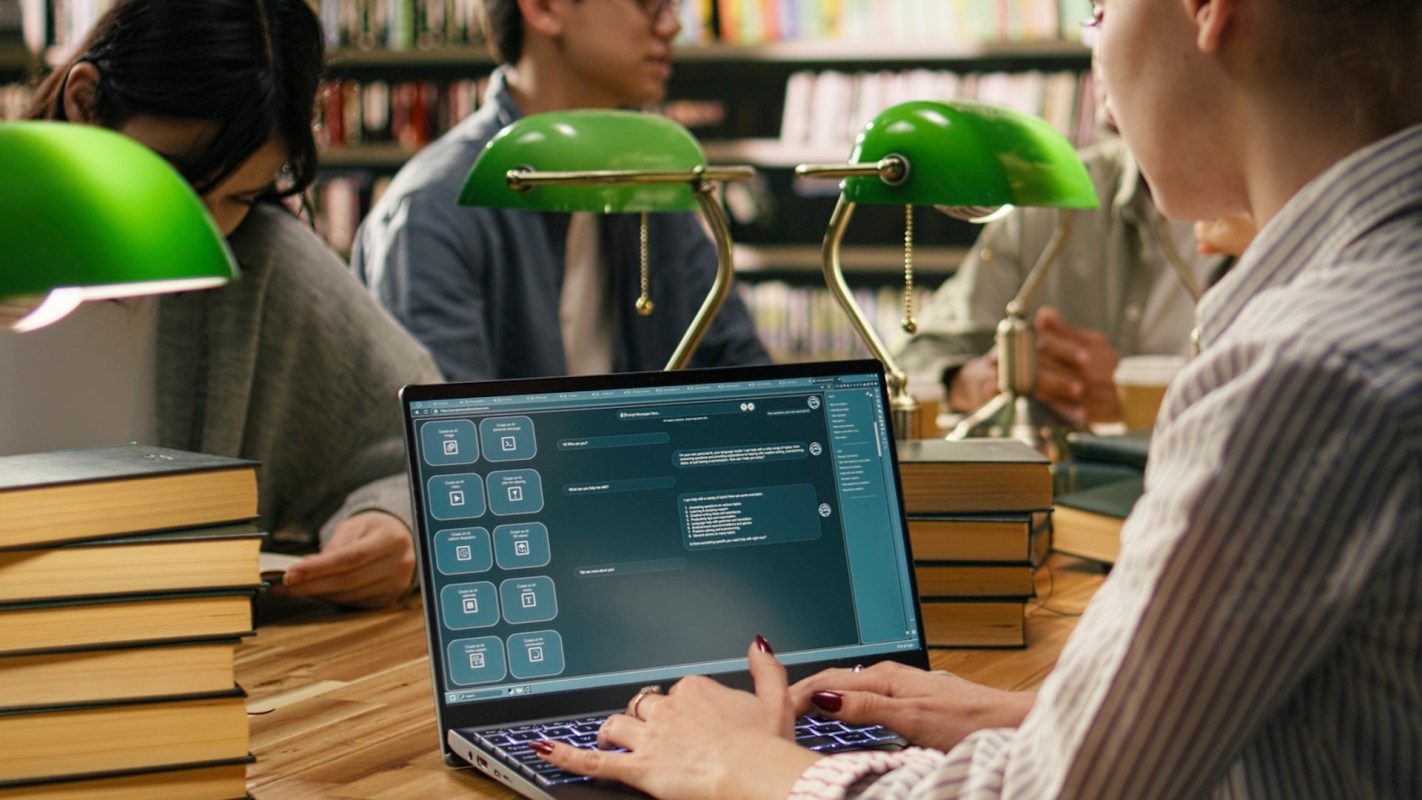
College students are going the extra length to use AI to complete assignments that look human in an effort to avoid getting caught.
Here's what to know
According to the New York Magazine, a New York University student named Jared and a friend used an AI coding assistant to make a bot for WebAssign, a homework platform intended to make cheating more difficult.
Jared later shared the tool with friends, and he no longer knows how many classmates may now be using it. "The bot moves slowly, leaving a professor checking time stamps none the wiser."
Another person featured in the New York Magazine story was Will, a recent graduate of Carleton College, who said some professors had become highly attentive to obvious signs of AI writing, including em dashes. He said faculty banned AI-written work in his classes, and that one professor claimed to have a "battery" of tools to enforce the rule.
Will said that despite those restrictions, he used Claude while working on an essay and then rewrote the AI-generated portions by hand to make them harder to detect.
More background
As Futurism noted, one tactic is to retype AI-generated material so detection systems are less likely to flag coursework as AI-written.
TCD Picks » Quince Spotlight
💡These best-sellers from Quince deliver affordable, sustainable luxury for all




The summary also points to the capabilities of AI "agents," which can take on more complex work than simply answering prompts, including tasks such as writing software and conducting research.
What can be done?
More durable approaches may include in-class writing, oral explanations of assignments, handwritten problem-solving, staged drafts, and clearer policies that distinguish acceptable AI assistance from outright misconduct.
Relying on AI to do the work may save time in the short term, but it can also undermine real learning and leave people unprepared when they need to perform without a bot. In subjects such as calculus, that gap could become obvious very quickly.
The challenge is cultural. If classrooms become a constant contest between monitoring tools and increasingly elaborate workarounds, everyone loses time, trust, and educational value.
Will said, "If the only way you're trying to discourage cheating is by saying 'Well, I have a detector,' then you're not going to succeed."
Where can I learn more?
The same technology helping students dodge detection isn't just causing headaches in the classroom. As AI moves deeper into publishing, public life, and massive corporate buildouts, worries about authenticity, oversight, and real-world fallout are only growing.
• At the Chicago Sun-Times, AI-generated fake news left the outlet publicly embarrassed.
• Across the U.S., public outcries against AI are intensifying over jobs, security, and resources.
• Big Tech's AI boom is outrunning the power grid as spending races ahead.
The classroom fight over AI is a battle over trust, control, and consequences. That helps explain why detection tools on their own rarely get at the real problem.

Get TCD's free newsletters for easy tips, smart advice, and a chance to earn $5,000 toward home upgrades. To see more stories like this one, change your Google preferences here.






