


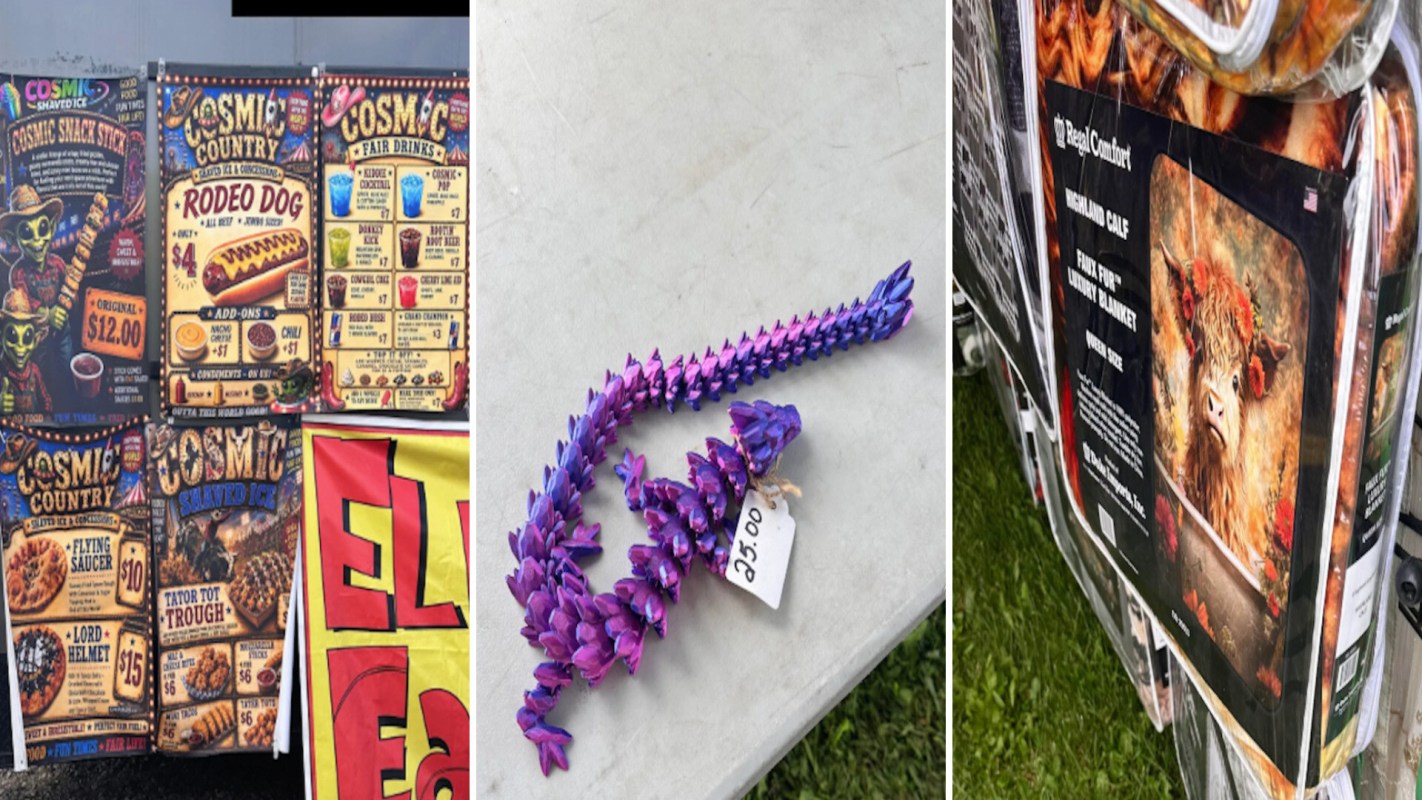
A Michigan shopper who set out to support artists at a local craft show came away saying much of what was being sold looked more like mass-produced goods passed off as handmade.
For consumers, that kind of experience can mean paying craft fair prices for cheap products that may not last, while actual local makers lose out.
Here's what to know
In a post on Reddit's r/Anticonsumption, an attendee described a disheartening experience at what they expected to be a venue for buying handmade items.
They estimated the event had about 30 vendors, with at least 20 hawking material that either used generative AI or was purchased rather than made by the seller.
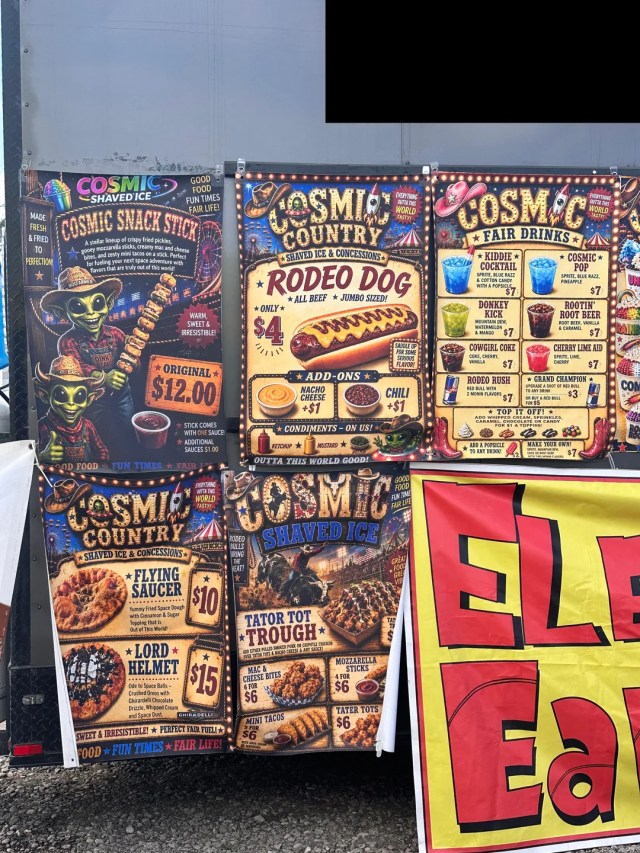
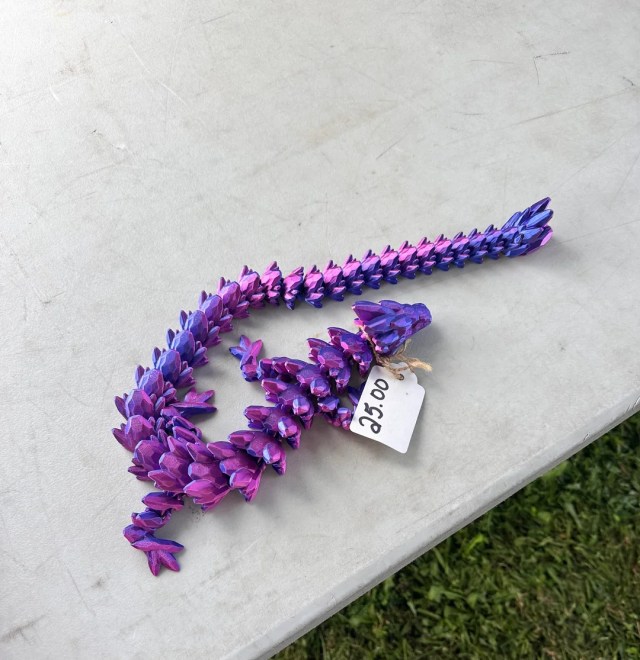
"This is only a very small portion of what I saw," the original poster said in the caption. "Out of the around 30 vendors at least 20 of them were selling drop shipped squishes or 3D printed garbage."
"I got some food from the only food truck without an AI sign and left."
TCD Picks » Quince Spotlight
💡These best-sellers from Quince deliver affordable, sustainable luxury for all




Others in the thread said the account sounded familiar, even if it was frustrating.
"Ugh that must have been so disappointing," one replied. "These kind of 'shops' should definitely be vetted before opening."
Another commenter said a fair local to them screened out such sellers, with one notable exception.
"The craft show near me vets these people out and it's always packed," they began. "One year these people demanded to be let in and harassed the coordinators so much they let them in but put them all together to the side and no one went over there. I kind of loved it because the handmade stuff was packed and these landfill maximalists paid a premium to be there and lost money because no one bought anything."
More background
As resale, dropshipping, and AI-generated branding become easier and cheaper, some fairs are giving space to sellers with little connection to making the goods they offer.
One commenter said their parents worked the craft show circuit and described how stricter events handle that issue.
"Some of them she had to show a full on portfolio and there would be a 3-5 year waitlist," they wrote, adding that at many fairs, "This stuff would get you kicked out in a heart beat."
The problem isn't just one of authenticity — it's also value. Handmade items often cost more because they reflect the labor, materials, and skill needed to produce them.
Mass-produced substitutes can undercut real artists and lead buyers to spend money on impulse purchases that break quickly or fail to meet expectations.
Placement within a market can make things worse for genuine makers too, as a disappointed craft fair vendor explained.
"I decided to try selling at a local market and it was the opposite!" they said. "The coordinators had all of the drop shipped crap at the front and those of us with actual hand crafted stuff were right at the back and got maybe 3% of the foot traffic."
When that happens, local dollars that could support artists instead go toward disposable products.
What can be done?
One of the best ways to avoid this trap is to look for juried or vetted craft fairs. Event pages will often note whether vendors are screened, whether resale is prohibited, or whether applicants must submit photos of their work.
It can help to ask simple questions at the booth about who made the product and how it was created. Can the vendor explain the materials or process? Real makers usually can, and they are usually happy to oblige.
Organizers also have a role to play. Commenters described successful fairs that closely screened applicants and protected space for handmade businesses. That kind of curation builds trust, improves the shopping experience, and keeps crowds coming back.
Where can I learn more?
This frustration isn't limited to craft fairs. Cheap, low-value goods can blur the line between thoughtful shopping and throwaway consumption, whether you are buying online, scrolling resale listings, or hunting through secondhand finds.
• A shopper tallied the trucks, boxes, and returns that fuel the convenience of shopping online.
• On a resale platform, someone tried selling a used Tiffany paper bag.
• A thrifting expert warned that turning bargains into cheaper clutter can waste money.
Shoppers are increasingly wary of products that seem novel at first glance but offer little lasting value.

Get TCD's free newsletters for easy tips, smart advice, and a chance to earn $5,000 toward home upgrades. To see more stories like this one, change your Google preferences here.






