


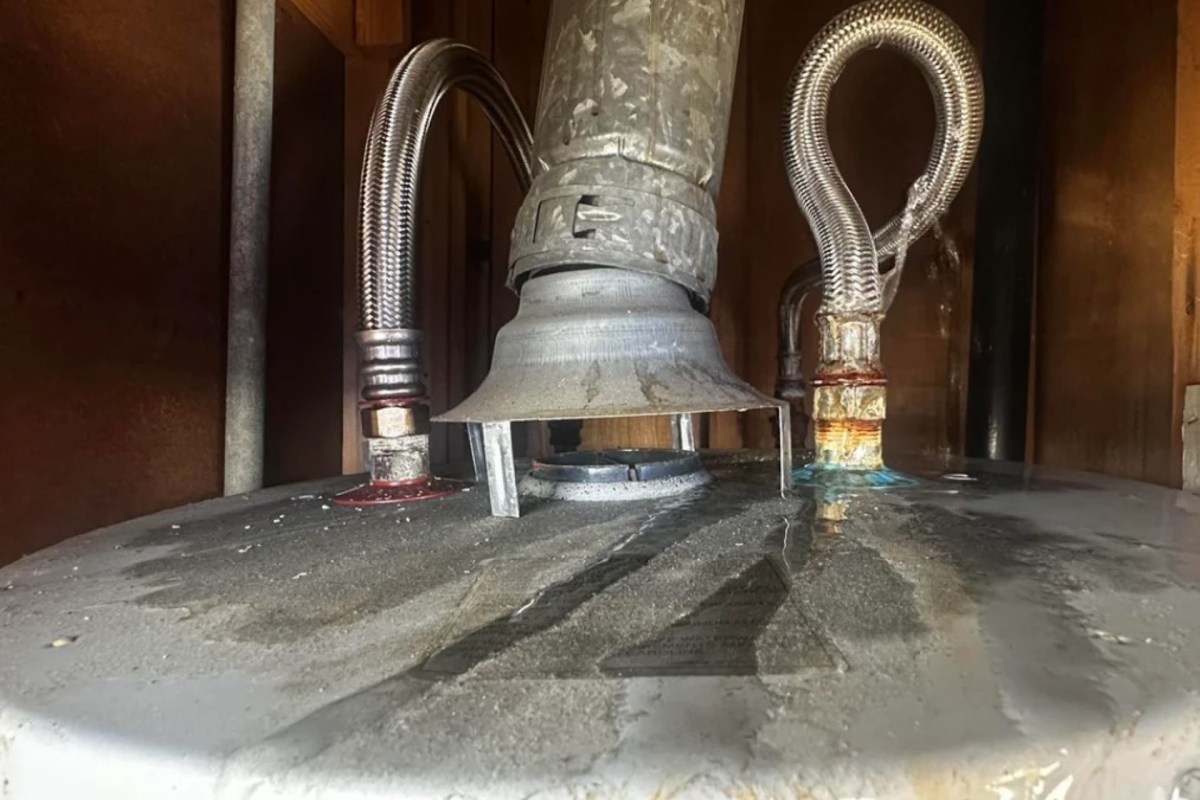
What first looked like a simple boiler leak turned into a much bigger warning once a homeowner shared a photo online. After waking to water on the floorboards, they posted the image, and commenters said the venting needed immediate attention.
Here's what to know
On the r/HomeMaintenance Reddit community, the original poster wrote, "Woke up to see some water in one of the room's floorboards and found this when I checked out the boiler. Is this something I can change out myself?" While the OP was concerned about a leaking braided line, commenters saw the improper venting as the more urgent problem.
One commenter told the poster, "Not your only problem, but changing the braided line is simple enough; just make sure you get the right diameter and length. The other issue that needs immediate attention is that the flue needs to be fixed tight to the draft diverter."
Another commenter put the more serious issue in direct terms: "Damn.. that vent isn't even attached. I would get a plumber to make sure it's hooked up correctly when fixed. That venting can be very dangerous."
More background
Boiler and water-heating vents are designed to carry combustion gases safely out of the home. When a flue or vent is disconnected, the problem is no longer limited to water damage, cleanup, or a wet floor — it becomes a serious household safety concern.
Ignoring an issue like this can also drive up costs. A leaking connection can gradually damage flooring, trim, and nearby materials, while unsafe venting can turn a routine repair into an emergency service call.
Even if one component seems easy to swap out, the surrounding system still has to vent safely.
What can be done?
A licensed plumber or qualified HVAC technician can determine whether the braided line is the only source of the water issue and whether the venting is properly attached and functioning as it should.
Save $10,000 on solar panels without even sharing your phone number Want to go solar but not sure who to trust? EnergySage has your back with free and transparent quotes from fully vetted providers in your area. To get started, just answer a few questions about your home — no phone number required. Within a day or two, EnergySage will email you the best options for your needs, and their expert advisers can help you compare quotes and pick a winner. Solar panels can save you more than $50k over their 25-year lifespan, and EnergySage can help you save as much as $10k on installation. Which begs the question — isn't that worth an email or two? |

Where can I learn more?
When water shows up inside, the first leak you spot may be only part of the problem. These articles break down a few simple checks and easy-to-miss warning signs that can help you catch damage early and keep repair costs from climbing.
• A home inspector used a trick to find a hidden leak before floorboards start warping.
• A home expert showed homeowners how to detect leaks in your home before repairs snowball.
• A realtor demonstrated how a blue-dye toilet test can expose unexplained water loss fast.
A small water issue can point to a much bigger problem. Spotting it early can help limit damage, repair costs, and safety risks.

Get TCD's free newsletters for easy tips, smart advice, and a chance to earn $5,000 toward home upgrades. To see more stories like this one, change your Google preferences here.






