


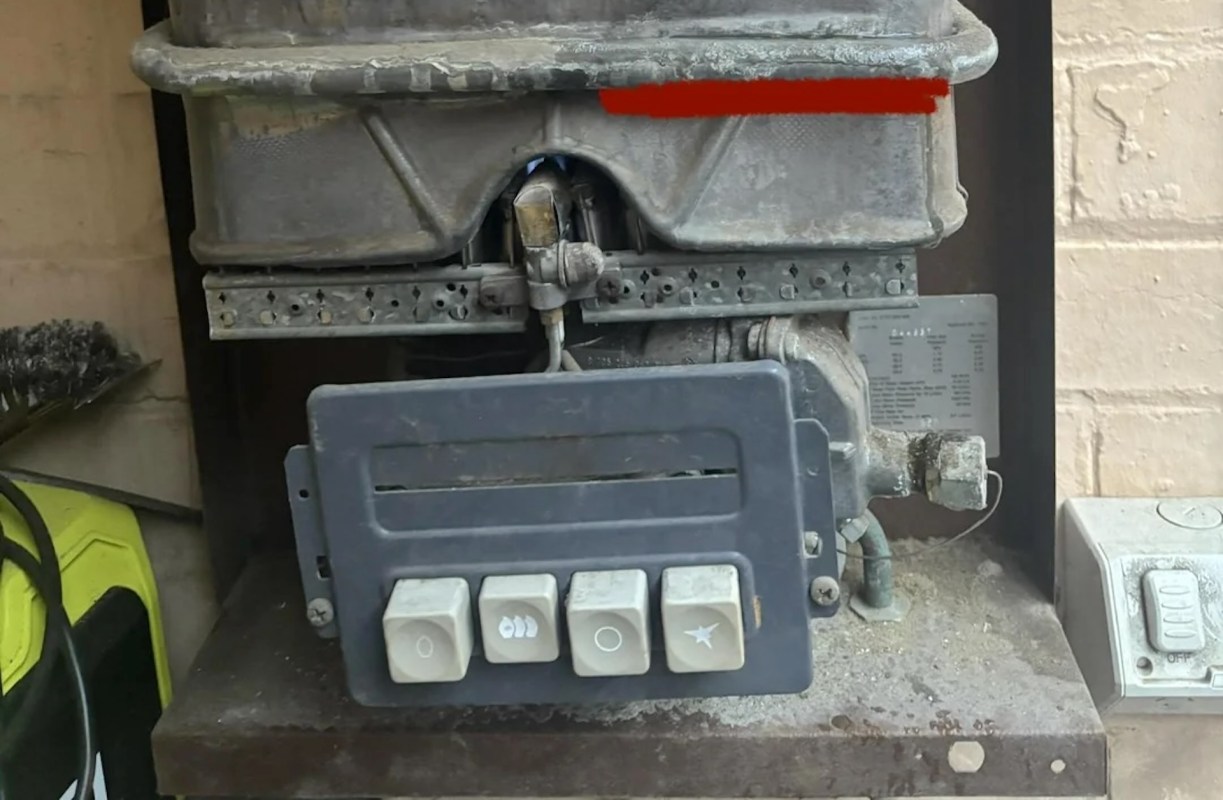
A homeowner took to Reddit for advice on whether a leaking older gas water heater can be managed with a bucket, or whether a drip means it is time to call a plumber right away.
Here's what to know
On Reddit's r/AskAPlumber, the original poster wrote that the gas unit had already looked near the end of its life when they bought the home, yet it kept running without trouble for another seven years.
"I bought my place and noticed how old the gas hot water unit was and thought I'd have to replace it rather soon," they said. "That was 7 years ago! It has caused me zero issues in this time, but I noticed within the last two weeks it has started to drip. … So should I call the plumber tomorrow or can the bucket do its job until I don't have hot water?"
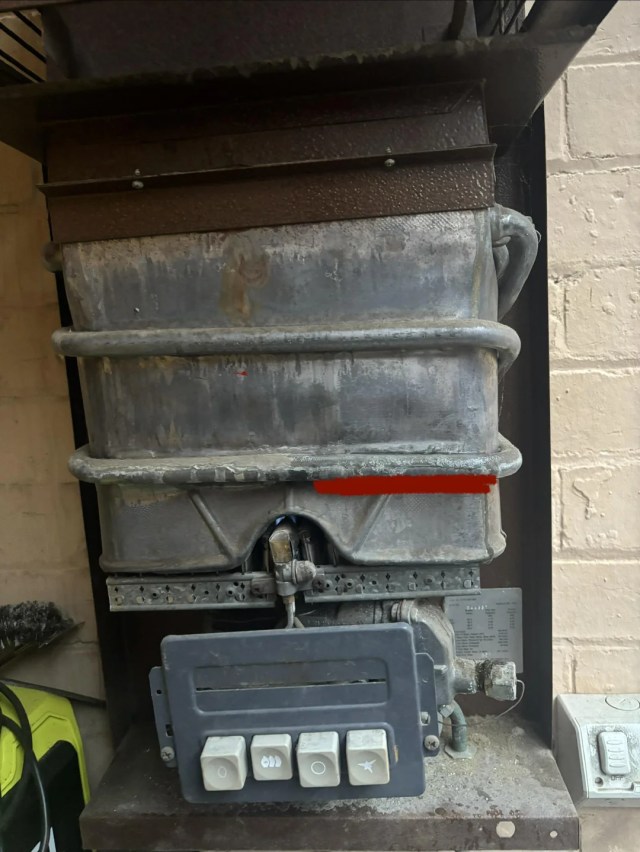
Commenters did not sound optimistic. One warned, "I hope that's copper or galvanized steel and not lead. Either way she's a goner. Time for replacement."
The OP said they were unemployed and hoping to delay the expense.
"I have no idea, it looks really old," they said. "If it is lead what does that mean? Is this a tomorrow problem or a next month problem?"
Another commenter wrote, "It was a problem on day 1. Put that s*** in a museum of terror."
More background
A slow leak from an old water heater can seem manageable, especially if the system is still producing hot water. But homeowners often learn the hard way that a small drip can turn into a much bigger expense if it leads to water damage, mold, or a sudden tank failure.
Save $10,000 on solar panels without even sharing your phone number Want to go solar but not sure who to trust? EnergySage has your back with free and transparent quotes from fully vetted providers in your area. To get started, just answer a few questions about your home — no phone number required. Within a day or two, EnergySage will email you the best options for your needs, and their expert advisers can help you compare quotes and pick a winner. Solar panels can save you more than $50k over their 25-year lifespan, and EnergySage can help you save as much as $10k on installation. Which begs the question — isn't that worth an email or two? |

That concern can be even greater with older gas equipment. Beyond the leak itself, aging gas water heaters can raise questions about venting, corrosion, and the condition of the connected plumbing materials.
The mention of possible lead piping adds another layer of concern. If a connected supply line really is lead, that is not just an appliance issue, it is a health concern that warrants prompt professional attention.
Keeping an old heater going with a bucket may save money in the short term, but it can also increase the risk of a far more expensive emergency later.
The safest next step is usually to have a licensed plumber inspect any leaking water heater, especially an older gas model. If the tank or key fittings are failing, replacement is often more practical than trying to patch the problem again and again.
For households facing that choice, a heat pump water heater may be worth considering.
Where can I learn more?
A leaking water heater is just one example of how small plumbing problems can quietly drive up damage, water waste, and repair bills.
• Homeowners have saved customers thousands of dollars by spotting hidden plumbing leaks before major damage spreads.
• Some households avoid excess water waste by catching shower runoff instead of letting it drain away.
• A realtor showed how a simple blue dye test can expose a silent toilet leak fast.

Get TCD's free newsletters for easy tips, smart advice, and a chance to earn $5,000 toward home upgrades. To see more stories like this one, change your Google preferences here.






